2026 Fall Fashion Forecast: 4 Key Silhouettes Driving US Sales
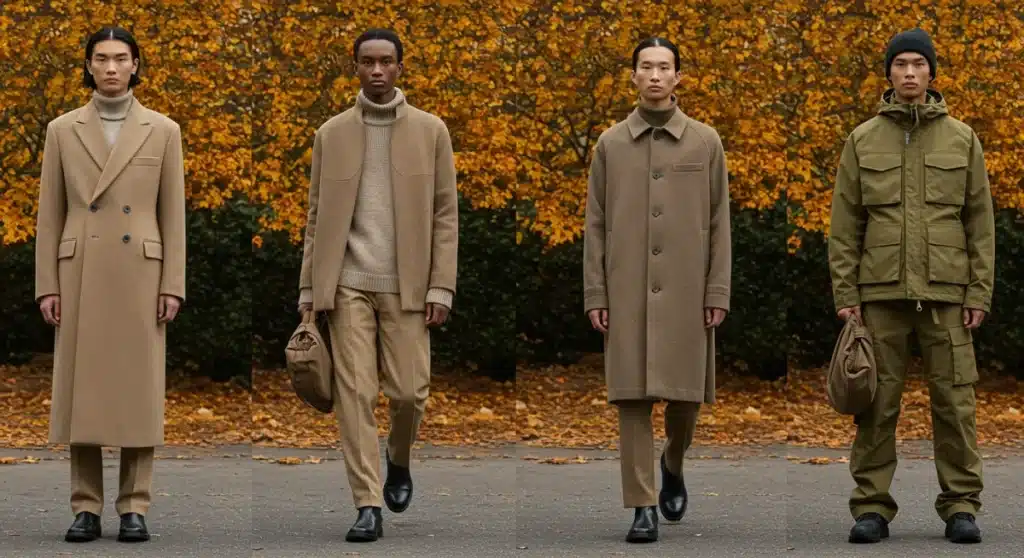
The 2026 Fall Fashion Forecast indicates four specific silhouettes are set to dominate the market, projected to capture a significant quarter of new season sales across the United States, influencing both design and consumer purchasing behaviors.
The fashion landscape is a dynamic realm, constantly evolving and forecasting the next big wave. For those keen on staying ahead, understanding the upcoming trends is not just an interest but a strategic imperative. The 2026 Fall Fashion Forecast: Unpacking 4 Key Silhouettes Predicted to Drive 25% of New Season Sales in the US reveals pivotal shifts that will define wardrobes and market performance.
the resurgence of oversized tailoring: comfort meets sophistication
Oversized tailoring has been subtly re-emerging, but for Fall 2026, it’s set to become a dominant force. This trend moves beyond mere comfort, blending relaxed fits with impeccable craftsmanship to create a silhouette that exudes effortless sophistication.
The appeal lies in its versatility and the inherent statement it makes about modern elegance. Consumers are increasingly valuing pieces that can transition seamlessly from professional settings to more casual, creative environments without sacrificing style.
the evolution of the tailored jacket
The classic blazer, a cornerstone of any wardrobe, is being reimagined with broader shoulders, longer lines, and a more generous cut. This isn’t about shapelessness, but rather a deliberate exaggeration that maintains structure.
- Broadened Shoulders: A key characteristic, offering a powerful, confident stance.
- Elongated Silhouettes: Jackets often extend past the hip, creating a lean, vertical line.
- Luxurious Fabrics: Wool blends, cashmere, and even structured silks elevate the oversized look.
- Versatile Styling: Worn over dresses, with wide-leg trousers, or cinched at the waist for definition.
This evolution also sees a move towards more sustainable and durable materials, reflecting a broader consumer shift towards conscious purchasing. The investment in a well-made oversized tailored piece is seen as a long-term addition to a thoughtful wardrobe.
wide-leg trousers and their impact
Complementing the oversized jackets are wide-leg trousers, which continue their ascent in popularity. For Fall 2026, they will feature even more dramatic flares and relaxed drapes, offering unparalleled comfort without compromising on a polished aesthetic.
These trousers are not just about comfort; they are a statement of fluidity and freedom in movement. Paired with fitted tops or equally voluminous outerwear, they create compelling proportions that are both modern and timeless.
The integration of oversized tailoring into everyday wear signifies a powerful blend of professionalism and personal comfort. It speaks to a consumer base that prioritizes both functionality and a refined aesthetic, driving significant market interest and sales.
sculpted minimalism: precision and understated elegance
Sculpted minimalism represents a refined approach to design, focusing on clean lines, architectural forms, and a deliberate absence of superfluous detail. This silhouette emphasizes precision, quality, and an understated elegance that speaks volumes without shouting.
It’s a reaction against fast fashion and excessive ornamentation, appealing to those who appreciate thoughtful design and longevity in their wardrobe choices. For Fall 2026, this trend will be characterized by innovative cuts and luxurious, tactile fabrics.
architectural dresses and separates
Dresses and separates within this trend feature strategic darting, seaming, and draping that create defined, almost sculptural shapes. Think of garments that hold their form, rather than simply flowing over the body.
- Structured Silhouettes: Garments that maintain their shape due to design and fabric choice.
- Monochromatic Palettes: Often seen in black, white, grays, and muted earth tones to emphasize form.
- Innovative Fabrics: Neoprene, heavy silks, structured cottons, and technical blends that hold shape.
- Asymmetrical Cuts: Subtle yet impactful details that add visual interest without being flashy.
The focus here is on the wearer’s form, enhanced and sometimes reimagined by the garment’s construction. This approach requires meticulous tailoring and a deep understanding of how fabric interacts with the body.
the power of understated accessories
Accessories in this category are equally minimalist, serving to complement rather than distract. Think geometric handbags, delicate yet impactful jewelry, and sleek footwear that enhances the overall sculpted aesthetic.
The philosophy of sculpted minimalism extends beyond clothing to a holistic approach to personal style. It’s about investing in fewer, higher-quality pieces that are versatile and enduring, reflecting a conscious consumer mindset. This movement is poised to capture a significant portion of the market share as consumers seek enduring style.
neo-bohemian layers: romanticism with a modern edge
Neo-bohemian layers for Fall 2026 reinterpret the free-spirited aesthetic with a sophisticated, modern twist. This isn’t the bohemian of yesteryear; it’s about rich textures, thoughtful layering, and a fusion of global influences that feel fresh and contemporary.
The silhouette celebrates individuality and creative expression, offering a comfortable yet stylish alternative to more rigid fashion trends. It appeals to a desire for authenticity and connection to artisanal craftsmanship.
textured fabrics and intricate details
Key to this trend are fabrics that invite touch and visual interest. Think jacquards, brocades, rich velvets, and chunky knits, often combined in unexpected ways. Embroideries, tassels, and subtle embellishments add to the artisanal feel.
- Rich Textural Blends: Combining velvet with silk, or chunky knitwear with delicate lace.
- Global Inspirations: Patterns and motifs drawn from various cultures, reinterpreted for a modern context.
- Fluid Draping: Garments that flow and move with the body, creating a soft, romantic silhouette.
- Handcrafted Touches: Emphasis on details that suggest artisanal skill, like intricate embroidery or unique buttons.
The beauty of neo-bohemian lies in its ability to tell a story through clothing. Each piece feels curated, as if collected from travels around the world. This narrative resonates deeply with consumers seeking unique and meaningful fashion.
the art of thoughtful layering
Layering is central to the neo-bohemian aesthetic, but for 2026, it’s more intentional and less haphazard. It involves combining different lengths, textures, and patterns to create a cohesive and visually rich ensemble.
Maxi dresses worn under oversized cardigans, delicate blouses peeking from beneath structured vests, and scarves draped artfully are all part of this look. The focus is on creating depth and interest, allowing for personal interpretation and adaptation to varying temperatures.
This romantic and expressive silhouette offers a refreshing contrast to the structured trends, attracting consumers who cherish comfort, creativity, and a connection to global artistry. Its strong individuality makes it a significant driver in the market.
futuristic utility: function meets avant-garde design
Futuristic utility is a silhouette that marries practical functionality with avant-garde design principles. For Fall 2026, this trend moves beyond mere workwear, incorporating innovative materials, ergonomic designs, and a sleek, almost dystopian aesthetic.
It speaks to a consumer base that values performance, durability, and a forward-thinking approach to fashion. This trend is heavily influenced by technological advancements and a desire for clothing that adapts to a complex, modern lifestyle.
technical fabrics and modular designs
The cornerstone of futuristic utility lies in its use of advanced materials. Think waterproof, breathable fabrics, ripstop nylons, and reflective elements. Modular designs, where garments can be altered or combined, are also prevalent.
- Performance Materials: Fabrics that offer protection from elements, breathability, and durability.
- Ergonomic Cuts: Designs that prioritize freedom of movement and comfort in active scenarios.
- Concealed Pockets and Zippers: Functional elements seamlessly integrated into the design.
- Convertible Features: Garments that can transform, like jackets with detachable sleeves or adjustable hems.
These pieces are not just about looking good; they are about serving a purpose. The aesthetic is often minimalist, with a focus on clean lines and a strong, almost armor-like quality. The color palette tends towards muted tones, often with pops of neon or metallic accents.
bold accessories and industrial details
Accessories in this category are equally functional and visually striking. Utility belts, robust bags with multiple compartments, and high-tech footwear complete the look. Industrial details like heavy-duty buckles, exposed zippers, and reinforced seams are common.
The futuristic utility silhouette is a testament to fashion’s ability to adapt to societal changes and technological progress. It appeals to a pragmatic yet style-conscious individual, making it a powerful force in driving sales and setting new benchmarks for design innovation.
the impact on consumer behavior and market trends
The emergence of these four distinct silhouettes for Fall 2026 signals a complex interplay of consumer desires and market forces. Each trend addresses a different facet of the modern consumer’s needs, from comfort and sophistication to individuality and practicality.
Understanding these shifts is crucial for brands and retailers to effectively cater to evolving preferences. The predicted 25% drive in new season sales by these silhouettes underscores their collective power to influence purchasing decisions across various demographics.
diversification of fashion narratives
The simultaneous rise of such varied styles indicates a growing diversification in fashion narratives. Consumers are less confined to a single aesthetic, instead embracing multiple styles that reflect different aspects of their lives and personalities.
- Personal Expression: A greater emphasis on clothing as a tool for individual identity.
- Conscious Consumption: Demand for durable, versatile, and ethically produced garments.
- Lifestyle Integration: Fashion that seamlessly fits into diverse daily routines and activities.
- Digital Influence: Social media and online platforms continue to accelerate trend adoption and customization.
This diversification challenges traditional fashion cycles, requiring brands to be more agile and responsive. The ability to offer compelling interpretations of these key silhouettes will be a determinant of success.
strategic implications for brands and retailers
For brands, this forecast necessitates a strategic re-evaluation of design, production, and marketing efforts. Investing in research and development to innovate materials and construction methods will be paramount, particularly for the sculpted minimalism and futuristic utility trends.
Retailers must focus on curation, presenting these silhouettes in a way that highlights their unique appeal and demonstrates their versatility. Visual merchandising and storytelling will play a critical role in captivating consumers and driving sales in a competitive market. The adaptability of these trends to various price points also makes them accessible to a broad audience, further boosting their market potential.
sustainability and ethical considerations in fall 2026 fashion
As the fashion industry progresses towards 2026, sustainability and ethical considerations are no longer niche concerns but fundamental pillars influencing design, production, and consumer choices. The four key silhouettes are not exempt from this imperative; rather, their success will be intrinsically linked to how well they integrate these values.
Consumers are increasingly educated and discerning, demanding transparency and accountability from brands. This pressure is driving innovation in sustainable materials and ethical manufacturing practices across all segments of the market.
eco-conscious material innovation
The development and adoption of eco-friendly materials will be crucial for all silhouettes. For oversized tailoring and sculpted minimalism, this means exploring recycled wools, organic cottons, and innovative plant-based fibers that offer both luxury and durability.
- Recycled Fibers: Utilizing recycled polyester, nylon, and cotton to reduce waste.
- Bio-based Materials: Exploring fabrics derived from natural sources such as algae, mushrooms, or fruit waste.
- Low-Impact Dyes: Employing dyeing processes that minimize water usage and chemical pollution.
- Durability and Longevity: Designing garments that are made to last, reducing the need for frequent replacements.
For neo-bohemian layers, the focus will be on naturally dyed fabrics, ethically sourced embellishments, and artisanal techniques that support local communities. Futuristic utility will push the boundaries with innovative, high-performance materials that are also biodegradable or infinitely recyclable.
ethical production and supply chain transparency
Beyond materials, the ethical treatment of workers and transparent supply chains are paramount. Consumers want to know that their clothing is produced under fair labor conditions, from the farm to the factory floor.
Brands embracing the 2026 Fall fashion silhouettes will gain a significant competitive advantage by demonstrating a commitment to ethical practices. This includes fair wages, safe working conditions, and a clear traceability of their products.
The integration of sustainability and ethics into the core of these fashion trends reflects a mature market where values are as important as aesthetics. This commitment not only resonates with consumers but also fosters a more resilient and responsible industry for the future.
the role of digital influence in trend adoption
In the lead-up to Fall 2026, digital platforms continue to play an unparalleled role in shaping and accelerating fashion trends. Social media, virtual try-on technologies, and influencer marketing are not just amplifying these four key silhouettes but also democratizing their adoption.
Consumers discover, engage with, and interpret trends through a myriad of online channels, making digital strategy an indispensable component for any brand aiming to capitalize on the upcoming season’s sales.
social media and micro-trends
Platforms like TikTok, Instagram, and emerging metaverse spaces are hotbeds for trend inception and dissemination. Micro-trends, often born from user-generated content, can quickly scale to global phenomena, influencing broader fashion narratives.
- Influencer Collaborations: Brands partnering with diverse influencers to showcase silhouettes in various contexts.
- User-Generated Content (UGC): Encouraging consumers to share their styling of new trends, fostering community.
- Virtual Try-Ons: Utilizing augmented reality (AR) to allow consumers to ‘try on’ garments digitally.
- Livestream Shopping: Interactive online events where consumers can view and purchase items in real-time.
The visual nature of these platforms makes them ideal for showcasing the distinct characteristics of oversized tailoring, the sculptural details of minimalism, the rich textures of neo-bohemian, and the functional elements of futuristic utility. Brands must leverage these channels to create engaging and authentic content.
e-commerce and personalized experiences
The digital realm also facilitates highly personalized shopping experiences. AI-driven recommendations, customized styling advice, and interactive product presentations help consumers navigate the vast array of choices and find pieces that align with their personal style within the forecasted silhouettes.
This personalized approach enhances customer loyalty and drives conversion rates. The ability to seamlessly discover, explore, and purchase these key silhouettes online will be critical for achieving the predicted 25% sales growth. Digital influence is not merely about exposure; it’s about creating a frictionless and engaging path to purchase.
| Key Silhouette | Brief Description |
|---|---|
| Oversized Tailoring | Relaxed fits with refined craftsmanship, emphasizing comfort and sophisticated style. |
| Sculpted Minimalism | Clean lines, architectural forms, and precision cuts for an understated elegance. |
| Neo-Bohemian Layers | Modern interpretation of free-spirited aesthetic with rich textures and thoughtful layering. |
| Futuristic Utility | Functionality meets avant-garde design, featuring technical fabrics and ergonomic forms. |
frequently asked questions about fall 2026 fashion
The main drivers include evolving consumer preferences for comfort and sustainability, a desire for unique personal expression, and the influence of digital platforms. These factors collectively shape the demand for versatile and thoughtfully designed garments that resonate with contemporary lifestyles.
For Fall 2026, oversized tailoring will emphasize more refined craftsmanship and luxurious fabrics. It moves beyond casual looseness to structured exaggeration, focusing on impeccable cuts and versatile styling that maintains a sophisticated, polished aesthetic rather than a purely relaxed one.
Not exclusively. While sculpted minimalism conveys elegance suitable for formal occasions, its emphasis on clean lines and quality fabrics also makes it adaptable for elevated casual and smart-casual settings. The versatility of architectural separates allows for diverse styling beyond strictly formal contexts.
Neo-bohemian layers in 2026 are modernized through thoughtful texture mixing, sophisticated global inspirations, and intentional layering. It avoids a haphazard look, instead focusing on curated ensembles with artisanal touches and fluid draping that feels more refined and less overtly vintage, appealing to a contemporary aesthetic.
Brands can integrate sustainability into futuristic utility wear by using recycled, bio-based, or infinitely recyclable performance fabrics. Focusing on durable construction, modular designs for extended garment life, and transparent, ethical supply chains will also be crucial for meeting consumer demand for responsible fashion in this trend.
conclusion
The 2026 Fall Fashion Forecast presents a compelling vision for the season, dominated by four distinct yet equally impactful silhouettes: oversized tailoring, sculpted minimalism, neo-bohemian layers, and futuristic utility. These trends collectively underscore a significant shift in consumer values, prioritizing comfort, personal expression, thoughtful design, and functional elegance. For brands and retailers in the US, understanding and strategically responding to these shifts will be paramount, as these silhouettes are poised to capture a substantial 25% of new season sales. The future of fashion is diverse, dynamic, and deeply intertwined with both individual preferences and global consciousness.
