Maximize Your Fashion Budget: 7 Smart Strategies for 2026 Trends
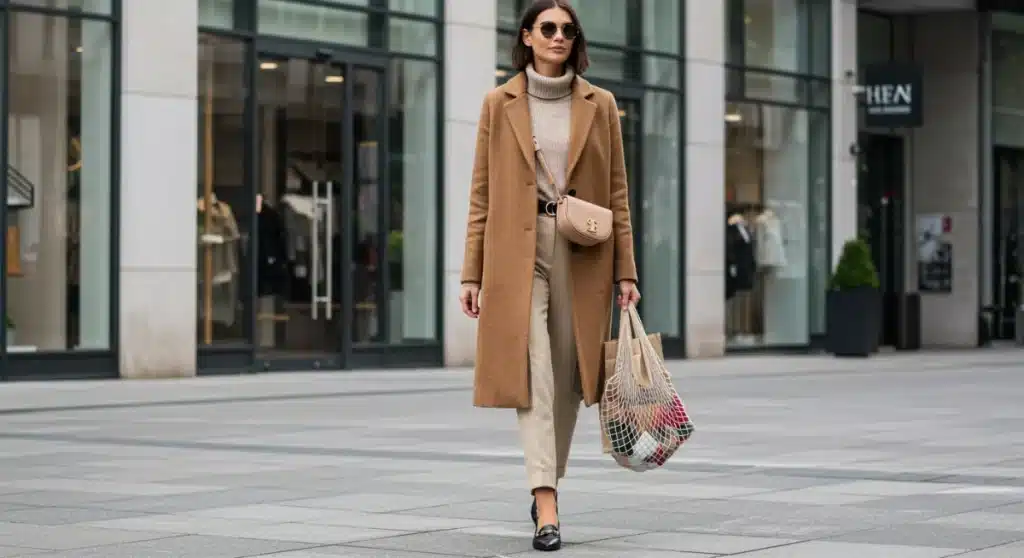
Staying ahead of the curve doesn’t have to drain your bank account. To maximize your fashion budget in 2026, you need a mix of tech-savvy tools and timeless curation to navigate the shifting retail landscape.
Industry analysts are seeing a massive pivot toward “principled consumption,” where durability and cost-per-wear outshine fleeting micro-trends. This shift allows savvy shoppers to secure high-end looks without the traditional designer price tag.
By focusing on strategic wardrobe investments and AI-driven price tracking, you can maintain a premium aesthetic on a realistic scale. Let’s explore how to refine your style while keeping your financial goals firmly in check.
Understanding the 2026 Fashion Landscape
The fashion industry is continually evolving, with 2026 poised to bring significant shifts in consumer preferences and sustainability demands.
Economic pressures and a growing awareness of environmental impact are driving a more conscious approach to clothing acquisition.
Consumers are increasingly seeking value, longevity, and ethical production in their apparel choices. This necessitates a strategic recalibration of how individuals approach their wardrobe planning and purchasing habits.
Adapting to these trends while maintaining personal style requires foresight and smart financial planning. The goal is to remain fashionable without overspending, mastering the art of maximizing your fashion budget 2026.
Strategy 1: Embrace the Capsule Wardrobe Philosophy
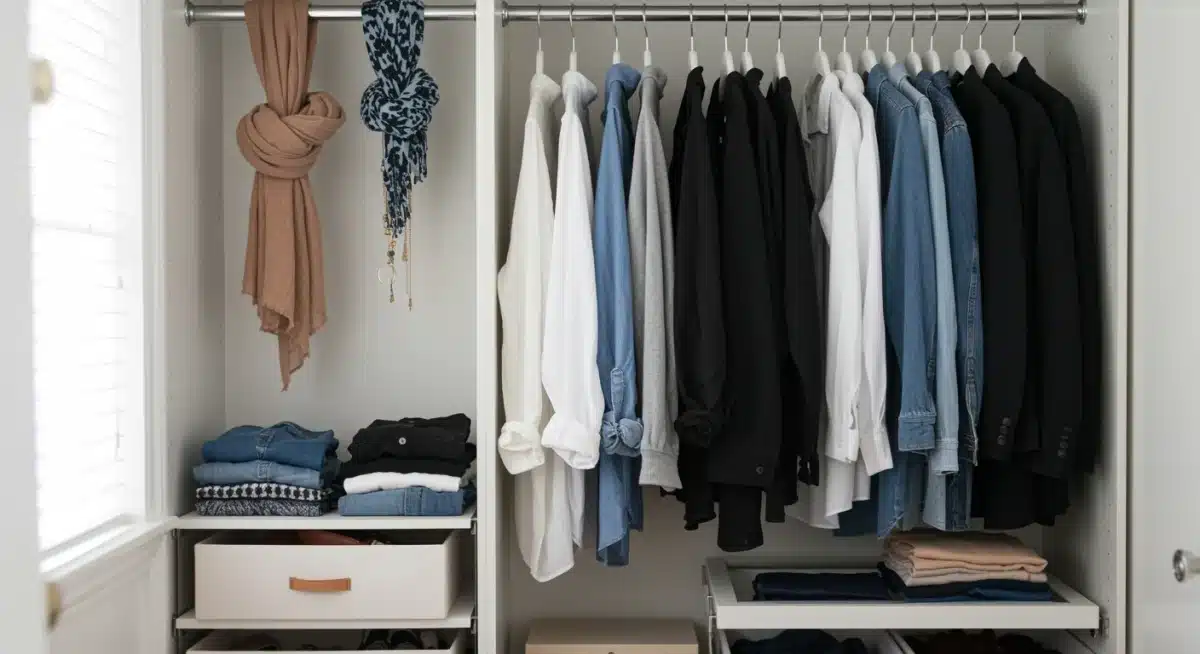
Building a capsule wardrobe is a fundamental strategy for anyone looking to maximize their fashion budget 2026. This approach focuses on curating a collection of versatile, high-quality pieces that can be mixed and matched to create numerous outfits.
By investing in fewer, more adaptable items, consumers reduce impulse purchases and ensure every piece serves multiple purposes. This not only saves money but also minimizes fashion waste, aligning with sustainable practices.
Prioritizing Versatility and Quality
When selecting items for a capsule wardrobe, prioritize classic silhouettes and neutral colors that transcend seasonal trends. High-quality fabrics and construction ensure garments withstand repeated wear and washing, extending their lifespan.
Consider how each new purchase integrates with existing pieces to expand your outfit possibilities. A well-planned capsule wardrobe makes daily dressing effortless and financially savvy, optimizing your fashion budget 2026 effectively.
- Invest in timeless basics like well-fitting jeans, classic white shirts, and versatile blazers.
- Choose a cohesive color palette to ensure all items can be interchanged seamlessly.
- Focus on natural fibers such as cotton, linen, and wool for durability and comfort.
Strategy 2: Strategic Thrifting and Second-Hand Shopping
The rise of second-hand shopping platforms and vintage stores presents an excellent opportunity to expand your wardrobe without breaking the bank. Thrifting allows access to unique pieces and designer labels at a fraction of their original cost.
This strategy is particularly effective for incorporating trend-driven items that may only be fashionable for a season or two. It also promotes a circular economy, reducing the demand for new production and supporting sustainable fashion.
Navigating Online and Offline Second-Hand Markets
Both online marketplaces and physical thrift stores offer distinct advantages for finding hidden gems. Online platforms provide a broader selection and convenience, while in-person shopping allows for tactile inspection of garments.
Successful thrifting requires patience and a keen eye for quality and potential. Learning to identify good fabrics and assess garment condition will significantly enhance your ability to maximize your fashion budget 2026 through pre-owned items.
- Explore online platforms like Poshmark, Depop, and The RealReal for curated second-hand fashion.
- Visit local consignment shops and vintage boutiques for unique finds and a more personal shopping experience.
- Always check for stains, tears, and missing buttons before purchasing second-hand items.
Strategy 3: Harnessing Sales Cycles and Off-Season Purchases
Timing your purchases strategically around sales events and off-season periods can lead to substantial savings. Retailers typically offer significant discounts at the end of each season to clear inventory and make way for new collections.
By planning ahead, consumers can acquire high-quality items for the upcoming year at reduced prices. This requires a bit of foresight regarding future trends and personal needs, but the financial benefits are considerable for maximize your fashion budget.
For instance, purchasing winter coats in late winter or early spring can yield savings of 30% or more. Similarly, summer wear often goes on sale in late summer or early fall, preparing you for the next warm season.
Strategy 4: DIY and Clothing Care for Longevity
Extending the life of your existing garments is a powerful, often overlooked, method to maximize your fashion budget in 2026. Learning basic mending skills, such as sewing on a button or repairing a small tear, can save the cost of replacement.
Proper garment care, including following washing instructions and appropriate storage, prevents premature wear and tear. This proactive approach ensures your clothes remain in excellent condition for longer, reducing the need for frequent new purchases.
Mastering Basic Repairs and Maintenance
Simple repairs can transform a seemingly damaged item back into a wearable piece. Resources for learning these skills are readily available online through tutorials and workshops, empowering individuals to take control of their wardrobe’s lifespan.
Understanding fabric types and their specific care requirements is also crucial. Delicates might need handwashing, while certain materials benefit from air-drying rather than machine drying. These small habits contribute significantly to preserving your apparel and optimizing your fashion budget.
- Learn basic mending techniques like stitching seams, replacing zippers, and patching holes.
- Invest in quality garment care products, such as gentle detergents and fabric shavers.
- Store clothes properly to prevent stretching, fading, and damage from pests.
Strategy 5: Leveraging Technology for Smart Shopping
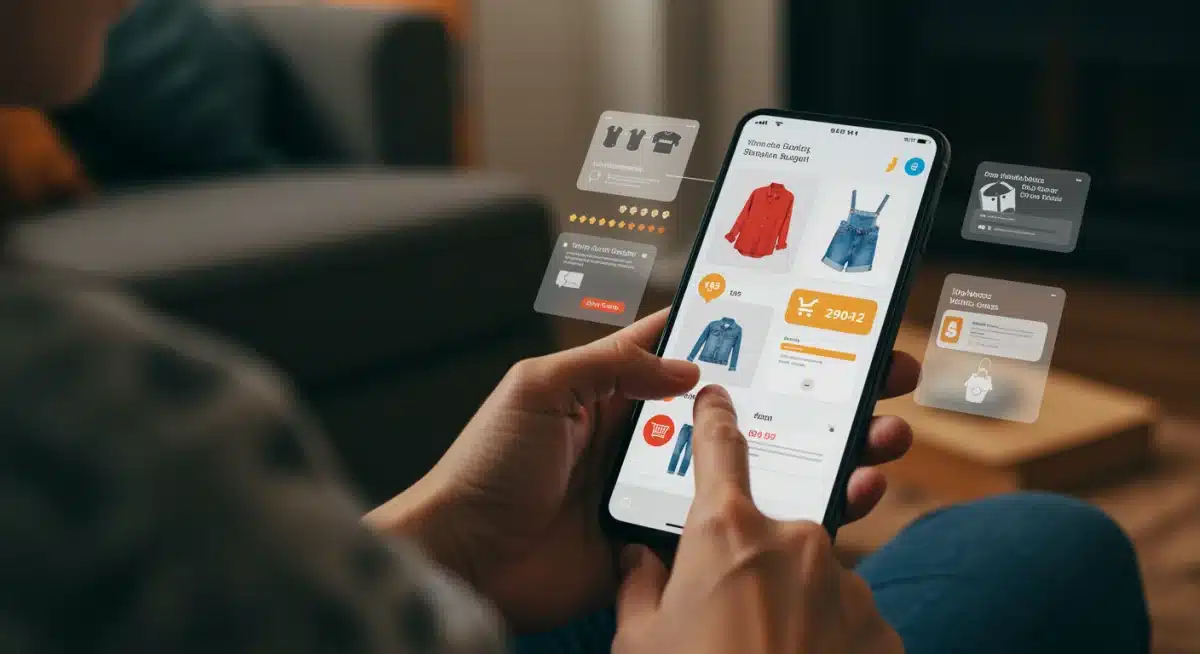
Digital tools and applications have revolutionized the way consumers shop, offering powerful resources to maximize your fashion budget in 2026. Price comparison apps, coupon finders, and personalized deal alerts can significantly reduce expenses.
Many platforms also provide detailed product reviews and sizing guides, minimizing the risk of costly returns and unsuitable purchases. Utilizing these technological aids ensures more informed decisions and greater savings.
Furthermore, subscribing to newsletters from your favorite brands can provide early access to sales and exclusive discounts. This digital savvy transforms casual shopping into a highly strategic and cost-effective endeavor.
Strategy 6: The Power of Fashion Swaps and Rentals
For special occasions or to experiment with new trends without commitment, fashion swaps and rental services offer innovative solutions. Clothing swaps with friends or community groups allow for refreshing your wardrobe for free.
Rental platforms provide access to high-end designer wear for events at a fraction of the retail price. This strategy is perfect for avoiding one-time purchases that gather dust in the closet, making it an intelligent choice for maximize your fashion budget.
Exploring Sustainable Alternatives to Ownership
Fashion rentals align perfectly with the growing demand for sustainable consumption, reducing textile waste and promoting resource sharing. These services cater to a variety of styles and occasions, from formal gowns to everyday designer pieces.
Participating in clothing swaps fosters a sense of community and allows for a fun, zero-cost way to update your style. Both options provide flexibility and access to diverse fashion without the long-term financial burden of ownership, significantly impacting your fashion budget 2026.
- Organize or join local clothing swap events to exchange garments with others.
- Research fashion rental services for special occasions, such as Rent the Runway or Nuuly.
- Consider borrowing from friends for specific events to save money and reduce consumption.
Strategy 7: Mindful Consumption and Avoiding Impulse Buys
The most effective strategy to maximize your fashion budget 2026 often lies in a shift in mindset towards mindful consumption. This involves consciously evaluating each purchase decision, asking whether an item truly adds value to your wardrobe and lifestyle.
Avoiding impulse buys, often driven by fleeting trends or emotional responses, prevents unnecessary expenditure. Creating a shopping list and sticking to it helps in maintaining discipline and focusing on genuine needs.
Before making a purchase, consider the ’30-wear rule’: if you can’t envision wearing an item at least 30 times, it might not be a worthwhile investment. This approach encourages thoughtful selections that support a sustainable and cost-effective wardrobe..
| Key Strategy | Brief Description |
|---|---|
| Capsule Wardrobe | Curate versatile, high-quality pieces for multiple outfits. |
| Thrifting & Second-Hand | Find unique items and designer labels at lower costs. |
| Sales & Off-Season | Time purchases around discounts and seasonal clearances. |
| Mindful Consumption | Avoid impulse buys and evaluate true need for each item. |
Frequently Asked Questions About Maximizing Your Fashion Budget
By consistently applying these smart shopping strategies, consumers can realistically save 20-30% on their annual fashion expenses. Some individuals, particularly those new to these methods, might even achieve higher savings, depending on their current spending habits and dedication to mindful consumption for their fashion budget 2026.
While some sustainable brands may have higher initial price points, many strategies within sustainable fashion, like thrifting, clothing swaps, and focusing on garment longevity, are inherently cost-effective. Investing in durable, ethically produced items often proves more economical in the long run than frequently replacing cheap, fast-fashion pieces, boosting your fashion budget 2026.
To stay current, follow fashion trend reports from reputable sources, but apply trends selectively. Incorporate trendy elements through accessories or by thrifting specific items rather than buying full-priced new collections. Focus on adapting trends to your existing capsule wardrobe, ensuring your fashion budget 2026 remains intact.
The ’30-wear rule’ encourages you to only purchase an item if you genuinely believe you will wear it at least 30 times. This rule promotes thoughtful buying decisions, reduces impulse purchases, and ensures that every garment in your wardrobe earns its place, thereby significantly safeguarding your fashion budget 2026.
Absolutely. Fashion is about creativity and personal expression, not just spending. By implementing strategies like capsule wardrobes, thrifting, and strategic shopping, you can cultivate a unique and stylish wardrobe that reflects your personality without financial strain. Smart choices enhance both your style and your fashion budget 2026.
Looking Ahead: Sustainable Style and Financial Prudence
The insights into maximize your fashion budget underscore a broader shift towards more thoughtful and sustainable consumption patterns.
As the industry continues to prioritize ethical practices and environmental responsibility, consumers are empowered to make choices that benefit both their wallets and the planet.
Monitoring evolving trends in sustainable fashion and digital shopping tools will be crucial for staying ahead.
The convergence of style, savings, and sustainability is not just a passing trend but a fundamental reshaping of how we approach our wardrobes and manage our fashion budget 2026 effectively.
These strategies offer a roadmap for navigating the complexities of modern fashion while maintaining financial prudence.
The emphasis remains on informed decisions, quality over quantity, and leveraging all available resources to cultivate a stylish yet economical personal aesthetic for 2026 and beyond.
