Sustainable Style on a Budget: 4 Tactics to Reduce Fashion Footprint by 15%

Building a conscious wardrobe doesn’t have to cost a fortune. Adopting sustainable style on a budget is the ultimate strategy for those looking to align ethical values with smart spending without breaking the bank.
This shift is more than a passing trend; it’s a necessary evolution in affordable fashion. Small daily choices allow you to lower your environmental impact in a way that is both practical and stylish.
By mastering responsible consumption and curation tactics, you can achieve a tangible reduction in your ecological footprint. Discover how to transform your relationship with clothing while maintaining economy and flair.
Embracing Secondhand and Vintage Shopping
Secondhand and vintage shopping represents a cornerstone of sustainable style on a budget, diverting clothing from landfills and extending the life cycle of garments.
This approach directly combats fast fashion’s linear model of production and disposal, offering unique pieces often at a fraction of their original cost.
The rise of online thrift stores, consignment shops, and local vintage boutiques has made accessing pre-loved fashion easier than ever.
Consumers can discover high-quality, durable items that possess character and a story, distinguishing their personal style from mass-produced trends.
By prioritizing secondhand purchases, individuals significantly reduce the demand for new production, thereby lessening the environmental strain associated with manufacturing, dyeing, and transporting new textiles. This tactic is central to achieving sustainable style on a budget.
The Growing Appeal of Thrift Stores
Thrift stores are no longer just for those on extreme budgets; they are now celebrated hubs for unique finds and sustainable practices.
Many influencers and fashion enthusiasts regularly showcase their thrift hauls, inspiring others to explore this avenue for sustainable style on a budget.
The thrill of the hunt for a hidden gem, combined with the satisfaction of making an eco-conscious choice, drives many to these establishments.
Furthermore, the affordability factor allows for experimentation with different styles without a significant financial commitment, making sustainable style on a budget highly accessible.
- Explore local thrift stores and consignment shops regularly.
- Utilize online platforms like ThredUp, Poshmark, and Depop for wider selections.
- Look for high-quality fabrics and classic designs that will last.
Vintage as an Investment in Style
Vintage clothing offers a distinct aesthetic and often superior craftsmanship compared to modern fast fashion. Investing in vintage pieces can elevate a wardrobe, providing unique items that stand the test of time both in quality and style, embodying sustainable style on a budget.
These garments often come from eras when quality was paramount, meaning they were built to last. A well-chosen vintage item can become a cherished part of a wardrobe, reducing the need for constant new purchases and contributing to a lower fashion footprint.
Authentic vintage pieces can also appreciate in value, making them a smart investment for those who appreciate both style and sustainability. This tactic aligns perfectly with the goal of sustainable style on a budget.
Maximizing Wardrobe Utility with Capsule Collections
Creating a capsule wardrobe is a highly effective strategy for sustainable style on a budget, focusing on versatility and longevity over sheer volume.
This approach encourages consumers to curate a collection of essential, interchangeable pieces that can be mixed and matched to create numerous outfits.
By intentionally selecting garments that complement each other, individuals can reduce the overall number of items they own, thereby minimizing waste and impulsive purchases.
A well-planned capsule wardrobe ensures that every piece serves a purpose, making fashion choices more deliberate and sustainable.
This tactic not only streamlines daily dressing but also fosters a deeper appreciation for existing clothes, extending their lifespan and reducing the need for new acquisitions. It is a powerful method for achieving sustainable style on a budget.
The Principles of Capsule Wardrobe Creation
A capsule wardrobe starts with identifying core pieces that reflect personal style and lifestyle needs. These often include versatile basics in neutral colors that can be dressed up or down, forming the foundation of many outfits, which is crucial for sustainable style on a budget.
The process involves a critical assessment of what is truly needed versus what is simply desired. By focusing on quality over quantity, consumers can build a wardrobe that is both functional and environmentally friendly, embodying sustainable style on a budget.
This deliberate approach contrasts sharply with the consumerist impulse to constantly acquire new items, promoting a more mindful relationship with fashion. It is a practical step towards reducing one’s fashion footprint.
- Identify your core style and lifestyle needs.
- Choose a color palette that allows for easy mixing and matching.
- Invest in high-quality, durable basics that will last for years.
Repair, Repurpose, and Upcycle Existing Garments
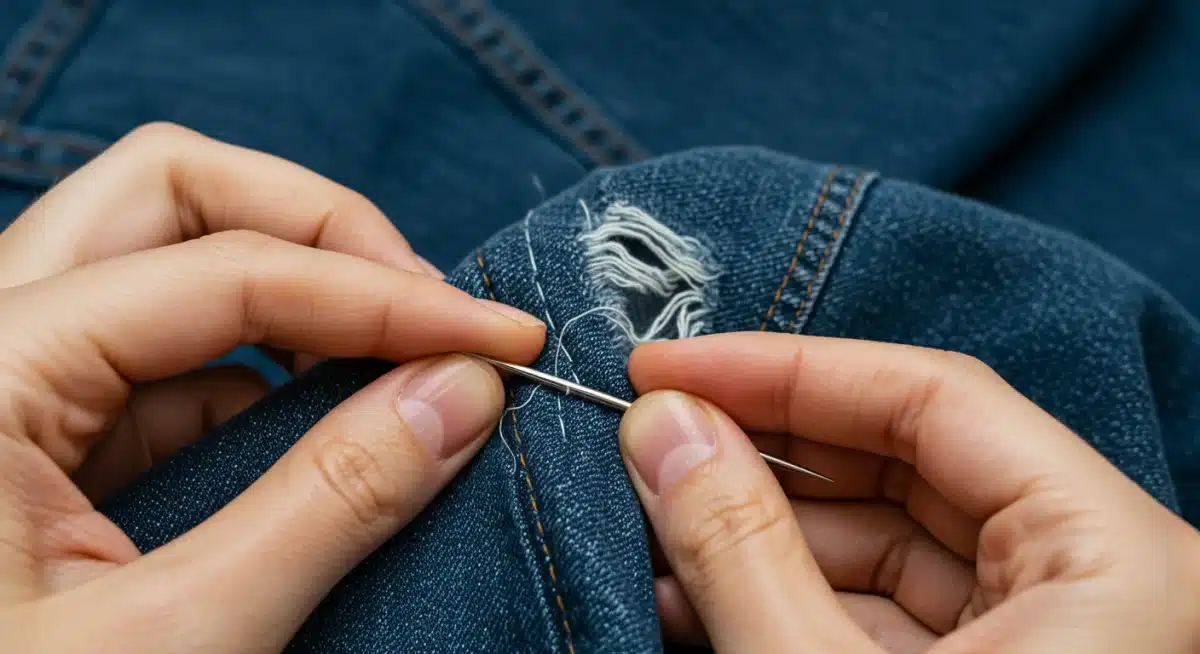
Extending the life of clothing through repair, repurposing, and upcycling is a direct way to practice sustainable style on a budget. Instead of discarding damaged or outdated items, consumers can breathe new life into them, preventing textile waste.
Simple mending skills like sewing on a button or repairing a small tear can significantly prolong a garment’s usability. For more creative individuals, upcycling allows for transforming old clothes into entirely new items, showcasing personal creativity and resourcefulness.
This practice reduces the demand for new clothing production and fosters a sense of accomplishment and self-sufficiency. It’s an empowering aspect of sustainable style on a budget that directly impacts environmental goals.
Strategic Shopping and Investment in Quality
Strategic shopping involves making informed decisions about new purchases, prioritizing quality and ethical production over fleeting trends.
This tactic, while sometimes requiring a higher initial investment, ultimately supports sustainable style on a budget by reducing the frequency of replacements.
Consumers are encouraged to research brands that adhere to fair labor practices, use sustainable materials, and offer transparency in their supply chains. Such conscious choices ensure that every dollar spent contributes to a more ethical and environmentally sound fashion industry.
Investing in well-made garments means they will endure more wear and washes, maintaining their appearance and functionality for longer periods. This approach is fundamental to achieving sustainable style on a budget and a reduced fashion footprint.
Understanding Ethical Brand Certifications
Navigating the ethical fashion landscape can be complex, but various certifications and labels help consumers identify truly sustainable brands.
These certifications often verify aspects like organic materials, fair trade practices, and reduced chemical use, vital for sustainable style on a budget.
By looking for recognized third-party certifications, shoppers can confidently support companies committed to environmental and social responsibility. This due diligence ensures that purchases align with personal values and contribute to broader sustainability goals.
Educating oneself about these labels empowers consumers to make choices that go beyond aesthetics, supporting a more just and sustainable global economy. It’s a critical component of practicing sustainable style on a budget.
- Look for certifications like GOTS (Global Organic Textile Standard) for organic materials.
- Research Fair Trade certifications for ethical labor practices.
- Check for B Corp certification, indicating high standards of social and environmental performance.
The Value of Durability and Timeless Design
When purchasing new items, prioritizing durability and timeless design is key to sustainable style on a budget. Clothes that are well-constructed from quality materials and feature classic silhouettes will remain relevant and functional for many years.
This contrasts with fast fashion, which often relies on flimsy materials and rapidly changing trends, leading to quick obsolescence. Investing in durable, classic pieces reduces the need for frequent replacements, saving money and resources in the long run.
By building a wardrobe of enduring items, consumers can cultivate a personal style that is both sophisticated and sustainable, aligning with the principles of sustainable style on a budget.
Participating in the Circular Fashion Economy
Engaging with the circular fashion economy is a progressive tactic for sustainable style on a budget, promoting the reuse, recycling, and regeneration of textile resources.
This model aims to eliminate waste by keeping materials in use for as long as possible, rather than discarding them after a single life cycle.
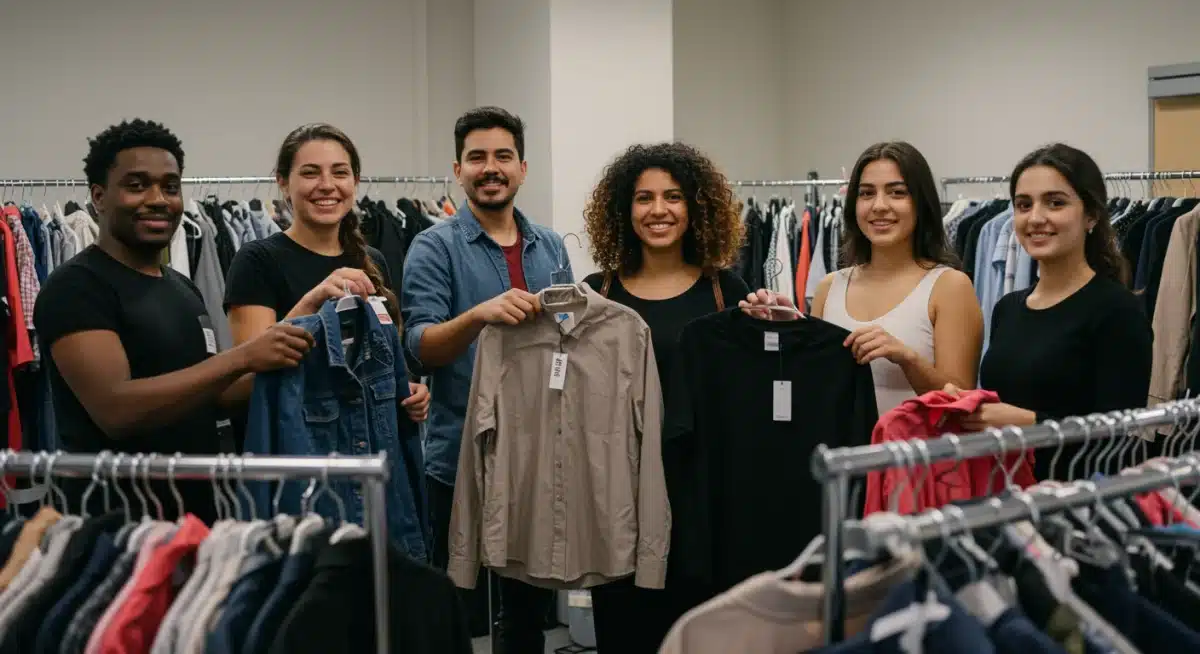
Activities such as clothing swaps, renting garments for special occasions, and utilizing textile recycling programs are all part of this circular approach. These practices offer cost-effective alternatives to buying new, while significantly reducing environmental impact.
The circular economy fosters a community-driven approach to fashion, encouraging sharing and collective responsibility for textile waste. It represents a forward-thinking strategy for achieving sustainable style on a budget.
Clothing Swaps and Rental Services
Clothing swaps provide an excellent opportunity to refresh a wardrobe without spending money, making them ideal for sustainable style on a budget. Participants exchange unwanted garments with others, giving clothes a new life and fostering community interaction.
For special events or temporary needs, clothing rental services offer access to high-end fashion without the commitment of purchase. This reduces the demand for new production and allows consumers to wear designer pieces affordably, embodying sustainable style on a budget.
Both swaps and rentals promote the concept of shared resources, moving away from individual ownership towards collective access. They are practical, enjoyable ways to embrace sustainable style on a budget.
Utilizing Textile Recycling and Upcycling Initiatives
When garments reach the end of their wearable life, responsible disposal through textile recycling programs prevents them from ending up in landfills.
Many brands and municipalities offer collection points for old textiles, ensuring they are processed for new materials or insulation.
Furthermore, creative upcycling initiatives transform discarded fabrics into new products, from accessories to home decor. This not only diverts waste but also supports artisans and small businesses focused on sustainable practices, contributing to sustainable style on a budget.
By actively participating in these programs, consumers close the loop on their fashion consumption, ensuring that even worn-out items contribute to a circular economy. This is a crucial step towards a reduced fashion footprint and sustainable style on a budget.
- Locate local textile recycling drop-off points or brand take-back programs.
- Support businesses that use recycled or upcycled materials.
- Consider donating unwearable items to organizations that specialize in textile repurposing.
Monitoring Your Fashion Footprint Progress
Tracking personal progress in reducing one’s fashion footprint is essential for maintaining motivation and achieving the 15% reduction goal by 2026.
This involves being mindful of shopping habits, garment longevity, and disposal methods, all contributing to sustainable style on a budget.
By regularly assessing the impact of their choices, individuals can identify areas for improvement and celebrate successes. This data-driven approach transforms sustainable fashion from an abstract concept into a tangible, measurable endeavor.
Tools and methods for monitoring can range from simple personal logs to more sophisticated apps designed for tracking consumption. The focus remains on continuous improvement towards sustainable style on a budget.
Simple Metrics for Tracking Impact
Measuring your fashion footprint doesn’t require complex calculations; simple metrics can provide valuable insights.
Tracking the number of new items purchased versus secondhand items, or the lifespan of garments, offers a clear picture of consumption patterns pertinent to sustainable style on a budget.
Recording the amount of clothing donated, swapped, or recycled also highlights positive contributions to the circular economy. These straightforward metrics make it easy for anyone to monitor their progress towards sustainable style on a budget.
The accumulation of these small, conscious decisions collectively leads to significant reductions in environmental impact. This systematic approach supports the overarching goal of sustainable style on a budget.
- Keep a log of new clothing purchases versus secondhand acquisitions.
- Track how long you keep and wear each garment before replacing it.
- Monitor the number of items you donate, sell, or recycle annually.
Setting Realistic Goals for Reduction
Achieving a 15% reduction in fashion footprint by 2026 requires setting realistic and actionable goals.
This might involve committing to a certain number of secondhand purchases per year or extending the life of existing clothes by a specific percentage, all within the framework of sustainable style on a budget.
Starting with small, manageable changes can build momentum and make the larger goal feel more attainable. Each conscious decision, no matter how minor, contributes to the overall objective of sustainable style on a budget.
Regularly reviewing and adjusting these goals ensures that the journey towards a reduced fashion footprint remains dynamic and effective. This iterative process is key to long-term success in sustainable style on a budget.
| Key Tactic | Brief Description |
|---|---|
| Secondhand Shopping | Buy pre-loved clothes to extend garment life and reduce new production demand. |
| Capsule Wardrobe | Curate versatile, interchangeable pieces to minimize waste and impulsive buying. |
| Quality Investments | Prioritize durable, ethically produced items for longevity and reduced replacements. |
| Circular Fashion | Participate in swaps, rentals, and recycling to keep textiles in use and out of landfills. |
Frequently Asked Questions About Sustainable Style on a Budget
A fashion footprint refers to the environmental and social impact of an individual’s clothing consumption, from production to disposal. This includes water usage, carbon emissions, chemical pollution, and labor practices associated with garment creation and end-of-life.
Look for third-party certifications like GOTS, Fair Trade, or B Corp, which independently verify a brand’s environmental and social claims. Research their supply chain transparency and material choices to ensure genuine commitment to sustainable style on a budget.
While some ethically produced new items may have a higher upfront cost, sustainable fashion on a budget is achievable through tactics like secondhand shopping, repairing clothes, and building capsule wardrobes. These methods often save money in the long run.
Begin by assessing your current wardrobe and identifying what you truly wear. Then, commit to buying secondhand for your next few purchases. This immediate shift significantly reduces demand for new production and helps implement sustainable style on a budget.
Absolutely. Collective individual choices create significant market shifts. By embracing sustainable style on a budget, you contribute to reduced demand for fast fashion, encourage ethical production, and inspire others to adopt more responsible consumption habits, making a real impact.
What this means
The movement towards sustainable style on a budget signals a crucial turning point in consumer behavior.
The strategies outlined are not merely suggestions but actionable steps that empower individuals to significantly reduce their environmental impact while maintaining personal style and financial prudence.
This shift reflects a growing awareness and commitment to a more responsible future in fashion, particularly in the United States.
Implementing these tactics requires a conscious re-evaluation of shopping habits, a willingness to embrace alternatives to fast fashion, and an ongoing commitment to sustainability.
The 15% reduction goal by 2026 is ambitious but achievable through sustained effort and informed choices, proving that sustainable style on a budget is within reach for everyone.
As the fashion industry continues to evolve, consumers who adopt these practices will be at the forefront of a movement that prioritizes the planet and people over fleeting trends.
The impact of sustainable style on a budget extends beyond individual wardrobes, influencing broader market demands and fostering a more circular economy.
