The Impact of Metaverse Fashion on Summer 2026 Collections: A 10% Increase in Digital-Inspired Prints
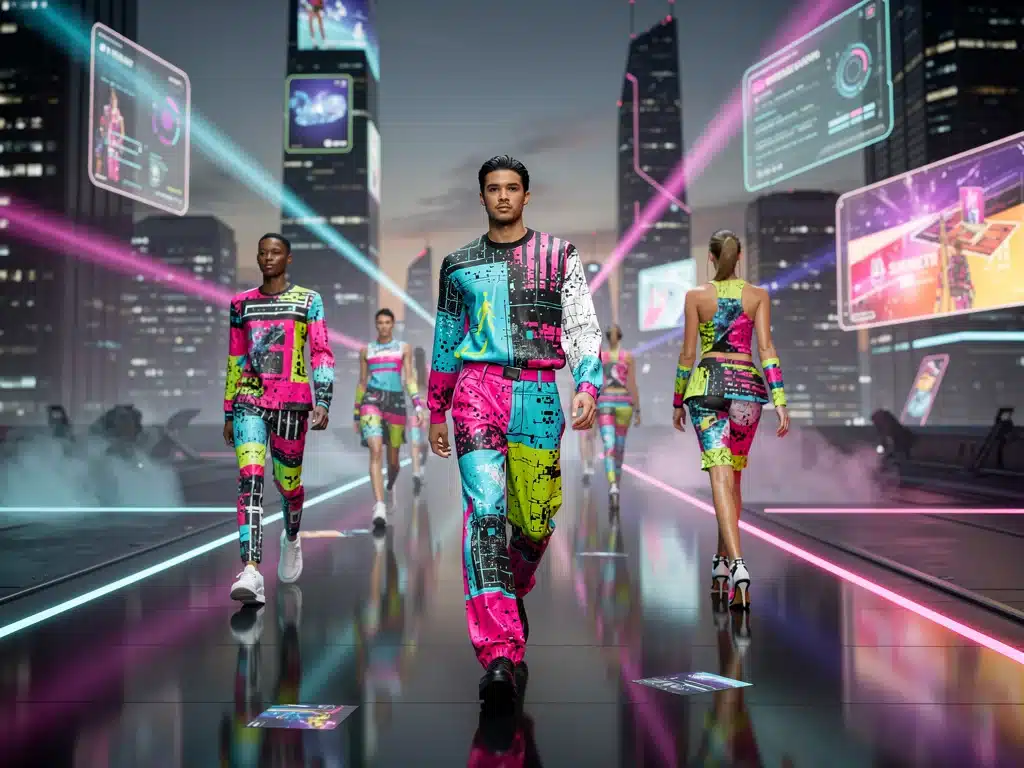
What happens when pixels leap off the screen and directly onto real-world textiles? Driven by the unstoppable rise of Metaverse Fashion, Summer 2026 runways are witnessing a striking 10% surge in digital-inspired prints.
This aesthetic crossover signals a profound shift, where virtual wearables and gaming avatars now dictate physical runway trends. Hyper-vibrant gradients, glitch motifs, and algorithmic patterns are quickly becoming the new signature for top design houses.
As virtual ecosystems redefine how we express style, brands must adapt to an audience that demands high-tech creativity in their daily wardrobe. Here is how virtual aesthetics are reshaping physical retail today.
Metaverse Fashion Redefines Summer 2026 Aesthetics
The fashion landscape for Summer 2026 is undergoing a profound transformation, largely due to the escalating influence of the metaverse.
This digital frontier is not just a platform for virtual experiences; it is actively dictating design elements for physical collections, leading to a notable surge in digital-inspired prints.
Analysts project a substantial 10% increase in garments featuring these innovative patterns, a direct reflection of virtual aesthetics permeating traditional design.
This shift underscores the growing convergence of digital and physical fashion, challenging established norms and opening new avenues for creative expression.
The metaverse, with its boundless creative potential, allows designers to experiment with textures, colors, and forms that are difficult or impossible to replicate in the physical world.
These virtual explorations are now translating into tangible designs, fundamentally altering the visual language of summer collections.
The Genesis of Digital-Inspired Prints
The origins of this trend can be traced back to early metaverse fashion shows and digital-only collections that gained traction among a tech-savvy audience.
These virtual garments, initially confined to digital avatars, showcased bold, often abstract, and highly complex patterns that captivated viewers.
Designers quickly recognized the appeal of these unique aesthetics. The ability to create prints that defy physical limitations, such as intricate pixelated motifs, iridescent gradients, or dynamic glitch effects, offered a fresh perspective for traditional fashion.
This experimental phase in the metaverse provided a fertile ground for innovation, allowing brands to test new visual concepts without the constraints of physical production.
The successful reception of these digital designs then prompted their adaptation into physical collections, marking a pivotal moment for the industry.
- Early digital fashion shows influenced print aesthetics.
- Virtual garments showcased complex, unconstrained patterns.
- Designer experimentation in the metaverse led to physical adaptations.
Technological Advancements Driving Adoption
Advances in textile printing technology have played a crucial role in enabling the seamless transition of digital designs into wearable art.
High-resolution digital printing allows for the faithful reproduction of intricate patterns, vibrant colors, and subtle textures originally conceived in virtual spaces.
Furthermore, innovations in fabric development are supporting this trend, with new materials capable of better showcasing complex digital prints. These technological leaps ensure that the visual impact of metaverse-inspired designs is not lost in translation from screen to fabric.
The accessibility of design software and digital tools has also democratized the creation process, allowing more designers to explore and integrate metaverse aesthetics. This technological synergy is a key factor in the widespread adoption of digital-inspired prints across Summer 2026 collections.
Consumer Behavior Shifts and Market Demand
The increasing immersion of consumers in digital environments, particularly younger demographics, is a significant driver behind the demand for metaverse-inspired fashion.
As individuals spend more time in virtual worlds, their aesthetic preferences are naturally influenced by these digital experiences.
This translates into a desire for physical clothing that reflects their digital identities and the visual language of the metaverse.
Brands are responding by incorporating digital prints that resonate with this evolving consumer taste, fostering a sense of connection between their online and offline selves.
The market is witnessing a clear demand for novelty and uniqueness, which digital-inspired prints readily provide.
Consumers are eager to embrace fashion that feels forward-thinking and reflective of contemporary technological advancements, making the metaverse fashion impact undeniable.
Gen Z and Digital Natives Leading the Charge
Generation Z and digital natives, having grown up with the internet and gaming, are particularly receptive to the aesthetics of metaverse fashion. Their comfort with virtual spaces makes them early adopters of trends that blur the lines between the digital and physical.
This demographic actively seeks out clothing that expresses their online personas and interests. Digital-inspired prints offer a tangible way to showcase their connection to virtual culture, making these designs highly appealing to a crucial segment of the consumer market.
Brands that successfully tap into this demographic’s preferences are seeing increased engagement and sales. The metaverse fashion impact on this key consumer group is a powerful indicator of future market directions.
- Gen Z highly values digital identity in fashion.
- Digital natives are early adopters of metaverse-inspired trends.
- Brands targeting this demographic see significant market response.
The Influence of Virtual Influencers and Digital Collectibles
Virtual influencers and digital fashion collectibles are playing a pivotal role in popularizing metaverse aesthetics. These digital entities often showcase cutting-edge, digitally designed garments that quickly capture the attention of their vast online followings.
The exclusivity and innovative nature of digital wearables, often sold as NFTs, create a halo effect that extends to physical garments featuring similar designs. Consumers are drawn to the novelty and perceived value of clothing inspired by these highly coveted digital items.
This phenomenon demonstrates how trends are now originating in the metaverse and cascading into the physical fashion world, highlighting a new paradigm for trend forecasting and adoption. The metaverse fashion impact is driven by these digital tastemakers.
Design Innovation and Creative Horizons
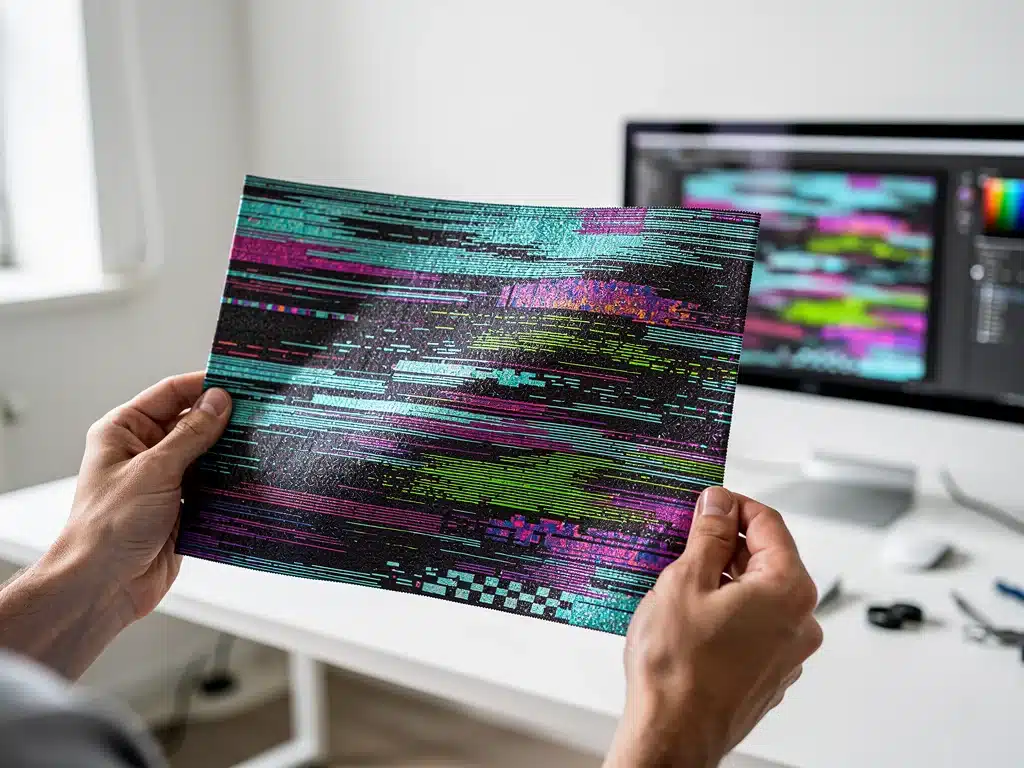
The integration of metaverse aesthetics is pushing the boundaries of traditional fashion design, fostering unprecedented levels of creativity. Designers are no longer limited by conventional fabric dyeing or weaving techniques, allowing for truly imaginative and complex patterns.
This freedom enables the creation of prints that evoke a sense of otherworldliness, blending abstract concepts with tangible textiles. The result is a collection of garments that are visually striking and intellectually engaging, reflecting a futuristic vision of style.
The creative horizons unlocked by the metaverse are vast, encouraging designers to think beyond the physical realm when conceiving new collections. This innovative approach is a defining characteristic of The Impact of Metaverse Fashion on Summer.
Abstract and Geometric Digital Prints
Summer 2026 collections are expected to feature a prevalence of abstract and geometric digital prints, characterized by sharp lines, repeating patterns, and optical illusions.
These designs often draw inspiration from digital code, algorithmic art, and the architectural structures found within virtual worlds.
The use of vibrant, often neon, color palettes combined with intricate detailing creates a dynamic and energetic aesthetic. These prints are designed to stand out, offering a bold statement that captures the essence of digital futurism.
Such patterns represent a departure from more organic or traditional motifs, signaling a clear embrace of a digitally native design language. This particular aspect highlights the metaverse fashion impact on visual trends.
Interactive and Dynamic Print Concepts
Beyond static designs, the metaverse is inspiring concepts for interactive and dynamic prints in physical fashion. While not fully interactive in the physical sense, these prints often mimic the fluidity and responsiveness seen in digital environments.
Designers are exploring ways to create prints that appear to shift or change depending on the angle of light or movement, using specialized inks and weaving techniques. This imbues garments with a sense of digital magic, reflecting the dynamic nature of virtual experiences.
The aspiration is to bring a piece of the metaverse’s immersive quality into everyday wear, making clothing not just an outfit but an experience. This innovative approach is a testament to the profound metaverse fashion impact.
Sustainability and Ethical Considerations
While the metaverse offers immense creative potential, its physical manifestation in fashion also brings important sustainability and ethical considerations to the forefront.
The production of digital-inspired prints, particularly those requiring advanced printing techniques, must align with eco-conscious practices.
Brands are increasingly focusing on sustainable sourcing of materials and energy-efficient manufacturing processes to mitigate the environmental footprint.
This includes using recycled fabrics and water-saving printing methods to ensure that digital innovation does not come at a cost to the planet.
The conversation also extends to ethical labor practices within the supply chain, ensuring that the creation of these cutting-edge designs adheres to fair standards. Addressing these concerns is vital for the long-term viability and positive perception of metaverse-influenced fashion.
Eco-Friendly Digital Printing Techniques
The adoption of eco-friendly digital printing techniques is becoming a priority for fashion brands integrating metaverse aesthetics. These methods often involve reduced water consumption, less chemical waste, and lower energy usage compared to traditional textile dyeing processes.
Advancements in pigment-based inks and direct-to-fabric printing minimize material waste and allow for on-demand production, further enhancing sustainability. This approach aligns with broader industry efforts to reduce environmental impact.
By embracing these greener technologies, the fashion industry can leverage the creative potential of digital prints while upholding its commitment to environmental responsibility. This makes the metaverse fashion impact more sustainable.
Ethical Sourcing and Production
As the demand for digital-inspired prints grows, ensuring ethical sourcing of materials and fair labor practices in production becomes paramount. Brands are under increasing scrutiny to provide transparency across their supply chains.
This includes verifying that raw materials are obtained responsibly and that workers involved in the manufacturing process are treated fairly and paid living wages. Ethical considerations are integral to building consumer trust and brand reputation in this evolving market.
The ethical dimension of production is a critical component of responsible fashion, ensuring that the innovation spurred by the metaverse fashion impact benefits all stakeholders. This holistic approach is essential for industry growth.
Challenges and Opportunities for Brands
The rapid evolution of metaverse fashion presents both significant challenges and unparalleled opportunities for brands. Adapting to this new paradigm requires investment in digital infrastructure, retraining design teams, and understanding a new consumer psychology.
Brands must navigate the complexities of intellectual property in virtual spaces, ensuring their digital assets are protected while also exploring new revenue streams. The learning curve can be steep, but the potential rewards are substantial.
Conversely, the metaverse offers a unique platform for brand building, community engagement, and direct consumer interaction. It allows for innovative marketing campaigns and the creation of highly personalized experiences, solidifying the metaverse fashion impact as a strategic imperative.
Navigating Intellectual Property in the Metaverse
One of the primary challenges for brands is protecting intellectual property (IP) in the decentralized and often unregulated environment of the metaverse. Digital designs and brand identities are susceptible to unauthorized replication and use.
Developing robust strategies for IP protection, including blockchain-based authentication and legal frameworks, is crucial. Brands must proactively safeguard their creative assets in both virtual and physical realms to maintain exclusivity and value.
Addressing these IP concerns is essential for fostering trust and encouraging continued investment in metaverse-inspired fashion. This aspect is vital for the sustainable growth of the metaverse fashion impact.
New Revenue Streams and Brand Engagement
The metaverse opens up entirely new revenue streams for fashion brands, from selling digital wearables and NFTs to offering immersive virtual shopping experiences. These digital ventures complement physical sales and expand a brand’s market reach.
Furthermore, the metaverse provides unique opportunities for brand engagement, allowing consumers to interact with brands in novel and personalized ways. Virtual events, custom avatar styling, and collaborative design projects build deeper connections with the audience.
These innovative engagement models enhance brand loyalty and attract new segments of consumers, demonstrating the multifaceted opportunities presented by the metaverse fashion impact. The future of fashion lies in this dual approach.
Future Outlook: Beyond Summer 2026
Looking beyond Summer 2026, the metaverse fashion impact is poised for continued growth and integration into the broader fashion ecosystem.
The current trend of digital-inspired prints is likely just the beginning, with future collections exploring even more sophisticated fusions of virtual and physical design.
Expect to see advancements in phygital fashion, where physical garments might incorporate augmented reality elements or digital tags that link to virtual counterparts. The lines between what is real and what is digital will continue to blur, creating entirely new categories of apparel.
The industry will also likely witness increased collaboration between traditional fashion houses and metaverse native designers, leading to hybrid creative processes.
This continuous evolution underscores that the metaverse is not a fleeting trend but a foundational shift in how fashion operates.
Phygital Fashion and Augmented Reality Integration
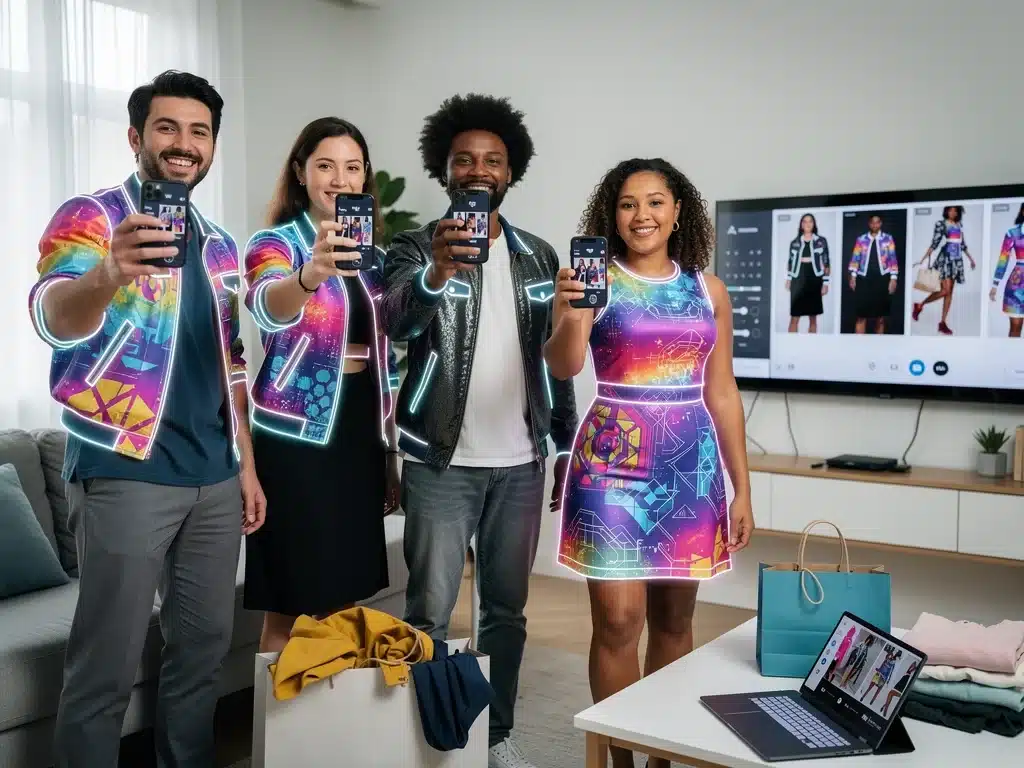
The concept of phygital fashion, where physical and digital elements seamlessly merge, is set to become more prominent. Imagine garments with embedded chips that activate augmented reality experiences when scanned, revealing digital overlays or interactive content.
This integration will allow consumers to experience their clothing in dynamic new ways, enhancing both the aesthetic and functional aspects. AR try-on experiences, already gaining traction, will become more sophisticated, offering hyper-realistic virtual fittings.
The future of fashion will increasingly involve these blended realities, where digital enhancements become an integral part of the physical product. This represents a significant evolution in the metaverse fashion impact.
Collaborative Design and Cross-Platform Experiences
Future collections will likely emerge from deeper collaborations between traditional fashion designers and metaverse creators. This cross-pollination of expertise will foster innovative designs that are truly optimized for both physical and digital contexts.
Brands will aim to create cohesive experiences across various platforms, ensuring that a garment’s digital twin in the metaverse offers the same brand narrative and aesthetic as its physical counterpart. This approach will strengthen brand identity in a multi-platform world.
The development of universal digital fashion standards will also facilitate seamless cross-platform experiences, allowing consumers to carry their digital wardrobes across different virtual environments. The metaverse fashion impact will standardize digital fashion.
| Key Point | Brief Description |
|---|---|
| Digital Print Surge | Summer 2026 collections to see 10% increase in digital-inspired prints. |
| Metaverse Influence | Virtual aesthetics are directly shaping physical garment designs. |
| Consumer Demand | Gen Z and digital natives drive market for unique, tech-infused fashion. |
| Future Trends | Phygital fashion and AR integration are next steps in this evolution. |
Frequently Asked Questions About Metaverse Fashion
It signifies a significant shift in design trends, indicating that virtual aesthetics are becoming mainstream in physical fashion. This increase reflects consumer demand for innovative, technologically influenced patterns, directly showcasing the metaverse fashion impact on upcoming collections.
The metaverse provides a boundless canvas for designers to experiment with impossible textures and forms in the real world. These virtual designs, once successful in digital spaces, are then adapted for physical garments using advanced printing technologies, directly influencing patterns and color palettes. This is a core aspect of the metaverse fashion impact.
Many digital printing techniques are more sustainable than traditional methods, using less water and chemicals, and generating less waste. Brands are increasingly adopting eco-friendly processes and recycled materials to ensure the production of digital-inspired prints aligns with sustainability goals, enhancing the positive metaverse fashion impact.
Primarily Gen Z and digital natives, who are highly immersed in virtual environments, are driving this demand. Their aesthetic preferences are shaped by digital experiences, leading them to seek out physical clothing that reflects their online identities and the innovative visual language of the metaverse.
Beyond 2026, expect increased integration of phygital elements, where physical garments incorporate AR features or digital links. Collaborative design between traditional and metaverse creators will also expand, leading to cross-platform experiences and further blurring the lines between physical and virtual fashion, extending the metaverse fashion impact.
Looking Ahead: The Evolving Fashion Landscape
The significant rise in digital-inspired prints for Summer 2026 collections underscores a pivotal moment in fashion history.
This shift, driven by the metaverse, is not a transient trend but a foundational evolution that redefines design, consumer engagement, and industry practices.
Brands must continue to innovate, prioritize sustainable production, and understand the evolving digital preferences of their audience to thrive.
The ongoing metaverse fashion impact demands continuous adaptation and foresight, promising a future where virtual and physical aesthetics are inextricably linked.
