Sustainable Fabrics: 2026 Trends & US Consumer Shift
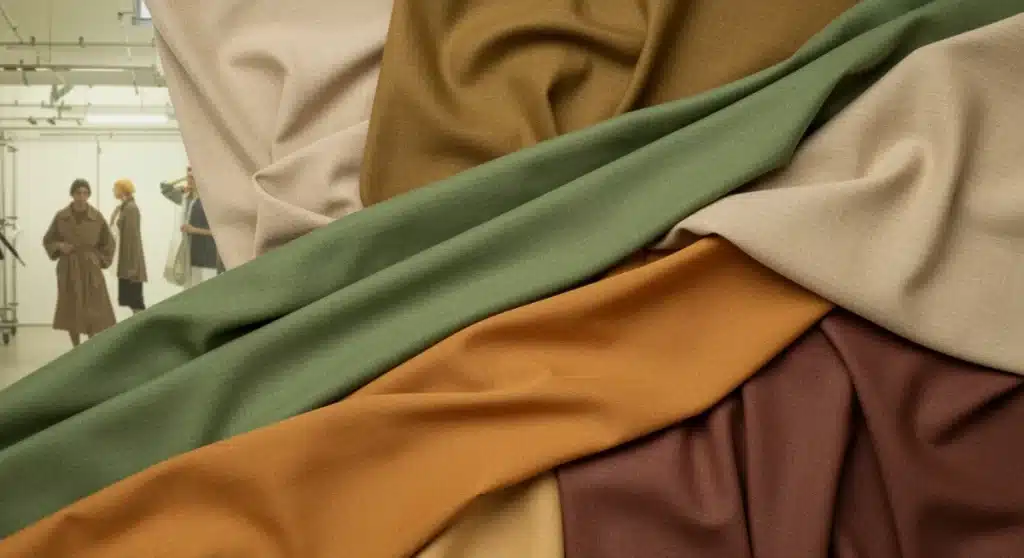
The rise of sustainable fabrics in 2026 seasonal trends is significantly shifting US consumer choices, with an estimated 20% moving towards eco-conscious fashion, driven by innovation and increased awareness of environmental impact.
The fashion landscape is undergoing a profound transformation, with the rise of sustainable fabrics: 2026 seasonal trends now undeniably shaping US consumer choices. This shift, estimated to steer an impressive 20% of consumers towards eco-conscious fashion, reflects a growing awareness and demand for clothing that aligns with environmental and ethical values. It’s no longer just a niche interest but a mainstream movement redefining how we dress and what we value.
The evolving landscape of eco-conscious fashion
The fashion industry’s impact on the environment has long been a point of contention, but a new era is dawning. Consumers are increasingly scrutinizing the origins of their garments, pushing brands to adopt more responsible practices. This movement isn’t just about avoiding harm; it’s about actively contributing to a healthier planet through conscious consumption.
This evolving landscape is fueled by a combination of factors, from increased media coverage on climate change to a generation of shoppers who prioritize values over fleeting trends. Brands that fail to adapt risk being left behind, as transparency and sustainability become non-negotiable aspects of their identity.
Consumer awareness and demand growth
Educated consumers are now powerful catalysts for change. They are not only seeking out sustainable options but also demanding more information about supply chains and production processes. This heightened awareness is directly influencing purchasing decisions, leading to a measurable shift in market dynamics.
- Demand for organic materials like cotton and linen is surging.
- Interest in recycled and upcycled fabrics is at an all-time high.
- Consumers are actively researching brands’ environmental footprints.
- There’s a growing preference for durable, long-lasting garments over fast fashion.
The collective power of these informed decisions is compelling manufacturers and designers to innovate at an unprecedented pace. The shift is systemic, affecting everything from raw material sourcing to retail strategies.
Regulatory pressures and industry initiatives
Beyond consumer demand, regulatory bodies and industry associations are also playing a crucial role. Governments are introducing stricter environmental guidelines, while industry leaders are collaborating on initiatives to standardize sustainable practices. These external pressures reinforce the internal drive within companies to become more eco-friendly.
The convergence of these forces creates a robust environment for sustainable fashion to flourish. It signals a permanent change, rather than a temporary trend, solidifying the foundation for a more responsible industry.
Innovations driving sustainable fabric adoption
The remarkable progress in textile technology is a primary driver behind the widespread adoption of sustainable fabrics. Scientists and innovators are constantly developing new materials and refining existing ones to minimize environmental impact without compromising on quality or aesthetics. These advancements make eco-friendly options more accessible and appealing to a broader market.
From laboratory-grown fibers to ingenious recycling processes, the range of sustainable materials is expanding rapidly. This innovation ensures that designers have a diverse palette of options to create fashionable, high-performance garments that also respect the planet.
Next-generation materials and bio-synthetics
Cutting-edge research is bringing forth a new generation of materials that promise revolutionary changes. Bio-synthetics, derived from renewable biomass, are offering alternatives to petroleum-based plastics, while lab-grown fibers reduce the need for extensive land or water use. These materials often boast unique properties, such as enhanced durability or biodegradability.
- Mycelium-based leathers offer a cruelty-free, biodegradable alternative.
- Algae and bacterial cellulose are being explored for textile production.
- Spider silk proteins are being engineered for incredibly strong and lightweight fibers.
These innovations address some of the most pressing environmental concerns associated with traditional textile production, paving the way for a truly circular fashion economy. The potential for these materials to scale up and enter mainstream production is immense.
Advanced recycling and closed-loop systems
Beyond new material creation, significant strides are being made in recycling technologies. Advanced chemical and mechanical recycling processes are enabling the transformation of textile waste into new fibers, reducing landfill burden and conserving resources. The goal is to establish closed-loop systems where materials can be endlessly repurposed.
These systems are crucial for minimizing waste and ensuring that valuable resources remain within the production cycle. Brands investing in such technologies are not only demonstrating their commitment to sustainability but also gaining a competitive edge by reducing reliance on virgin materials.
Key sustainable fabrics defining 2026 seasonal trends
As we look towards 2026, several sustainable fabrics are poised to dominate seasonal trends, reflecting both technological advancements and evolving consumer preferences. These materials offer a blend of comfort, style, and environmental responsibility, making them ideal for modern collections.
Designers are increasingly incorporating these fabrics into their lines, showcasing their versatility across various garment types, from everyday wear to high-end fashion. The emphasis is on natural textures, breathable qualities, and innovative finishes that enhance performance.
Tencel and lyocell: silky smooth and eco-friendly
Tencel, a brand of lyocell and modal fibers from Lenzing AG, continues to be a frontrunner in sustainable textiles. Derived from sustainably sourced wood pulp, its closed-loop production process minimizes water and chemical use. Tencel is renowned for its exceptional softness, breathability, and moisture-wicking properties, making it a favorite for activewear and luxurious everyday garments.
Its versatility allows it to be blended with other fibers, enhancing their sustainable profile. The elegant drape and vibrant dye absorption of Tencel make it a go-to for designers creating fluid silhouettes and rich color palettes for 2026.
Organic cotton and hemp: natural strength and comfort
Organic cotton, grown without harmful pesticides and synthetic fertilizers, remains a staple for its familiar comfort and reduced environmental footprint. Complementing this, hemp is gaining significant traction due to its minimal water requirements, rapid growth, and incredible durability. When processed correctly, hemp softens beautifully over time, offering a linen-like texture.
- Organic cotton is favored for casual wear, basics, and children’s clothing.
- Hemp is increasingly used for denim, outerwear, and sturdy apparel due to its strength.
- Both fibers contribute to healthier soil and biodiversity.
- Their natural breathability makes them perfect for warmer climates.
These natural fibers are fundamental to building a truly sustainable wardrobe, offering timeless appeal and a clear conscience. Their re-emergence in fashion highlights a return to foundational, earth-friendly materials.
Recycled polyester and nylon: circularity in action
Recycled polyester (rPET) and recycled nylon are critical for addressing plastic waste, transforming discarded bottles and fishing nets into high-performance fabrics. These materials retain the functional benefits of their virgin counterparts, such as durability and water resistance, but with a significantly lower environmental impact.
They are particularly prevalent in sportswear, swimwear, and outerwear, where performance is paramount. The continuous innovation in recycling technologies means these fabrics are becoming even more refined and versatile, securing their place in future seasonal collections.
Shifting US consumer choices: a 20% surge towards eco-fashion
The most compelling evidence of sustainable fashion’s impact is the measurable shift in US consumer behavior. Data suggests that an estimated 20% of consumers are actively changing their purchasing habits to prioritize eco-conscious options. This isn’t a minor fluctuation; it’s a substantial movement with significant implications for the market.
This shift is driven by a combination of personal values, increased accessibility to sustainable products, and a growing understanding of the environmental crisis. Consumers are becoming more discerning, seeking out brands that genuinely embody sustainability rather than just greenwashing.
Value alignment and ethical purchasing
For many US consumers, fashion is no longer solely about aesthetics; it’s an extension of their values. They want their clothing choices to reflect a commitment to ethical production, fair labor practices, and environmental stewardship. This alignment of values is a powerful motivator for choosing sustainable brands.
This ethical purchasing trend is particularly strong among younger demographics, who are often more vocal about social and environmental issues. Brands that can authentically communicate their ethical practices are gaining loyalty and market share.
Accessibility and affordability of sustainable options
Historically, sustainable fashion often came with a premium price tag, limiting its accessibility. However, as production scales and technological innovations reduce costs, eco-friendly options are becoming more affordable and widely available. This increased accessibility is crucial for driving the 20% shift in consumer behavior.
- More mainstream retailers are stocking sustainable collections.
- Innovations are making eco-fabrics more cost-effective to produce.
- Second-hand and rental markets are growing, offering sustainable alternatives.
The perception that sustainable fashion is only for the elite is slowly eroding, making it a viable choice for a broader spectrum of the population. This democratization of eco-conscious fashion is vital for sustained growth.
Challenges and opportunities for sustainable fabrics in 2026
While the momentum for sustainable fabrics is undeniable, the path forward is not without its challenges. Scaling production, ensuring true sustainability across complex supply chains, and combating greenwashing remain critical hurdles. However, these challenges also present significant opportunities for innovation and leadership.
Addressing these issues requires collaborative efforts from designers, manufacturers, policymakers, and consumers. The industry must work together to create robust, transparent systems that support genuinely sustainable practices from fiber to finished garment.
Scaling production and supply chain transparency
One of the biggest challenges is scaling the production of sustainable materials to meet growing demand while maintaining environmental standards. Ensuring transparency across intricate global supply chains is also complex, requiring advanced tracking and verification systems. Brands must be diligent in vetting their suppliers to avoid unintended environmental or social impacts.
Investment in sustainable infrastructure and technology is essential to overcome these scaling issues. Collaboration among industry stakeholders can help standardize practices and share best practices, accelerating progress.
Combating greenwashing and building trust
As sustainability becomes a marketing buzzword, greenwashing—where companies make misleading claims about their environmental practices—is a growing concern. Consumers are becoming more skeptical, and trust is paramount. Brands must be transparent, provide verifiable data, and avoid exaggerated claims to build genuine credibility.
Clear labeling, third-party certifications, and educational initiatives can help consumers make informed decisions and distinguish truly sustainable brands from those merely jumping on the bandwagon. This commitment to honesty is crucial for the long-term success of the sustainable fashion movement.
The future outlook: beyond 2026 for eco-conscious fashion
Looking beyond 2026, the trajectory for eco-conscious fashion points towards continuous growth and deeper integration into mainstream practices. The initial surge in sustainable fabric adoption is just the beginning of a more profound transformation, where sustainability will evolve from a desirable attribute to an industry standard. This future envisions a fashion ecosystem that is inherently regenerative, circular, and ethically sound.
The pace of innovation in material science, coupled with an increasingly informed global consumer base, suggests that the fashion industry will continue to push boundaries, exploring new frontiers in environmental responsibility and social equity. This long-term vision emphasizes not just reducing harm, but actively contributing positively to the planet and its inhabitants.
Circular economy principles and regenerative practices
The future of sustainable fashion will increasingly embrace circular economy principles, where materials are designed for longevity, repairability, and eventual recycling or composting. This includes developing textiles that can be easily disassembled and repurposed, minimizing waste at every stage of a product’s lifecycle. Regenerative agriculture practices, which aim to restore soil health and biodiversity, will also become more prevalent in fiber cultivation.
- Designing garments for end-of-life considerations, ensuring recyclability.
- Investing in infrastructure for textile collection, sorting, and reprocessing.
- Promoting repair and rental models to extend garment lifespans.
- Supporting farming practices that enhance ecological systems rather than deplete them.
These practices move beyond mere sustainability to a model of active regeneration, where fashion can become a force for environmental healing. The focus will shift from merely doing less bad to actively doing good.
Technological integration and data-driven sustainability
Advanced technologies, such as blockchain for supply chain transparency and AI for optimizing resource use, will play a critical role in the evolution of eco-conscious fashion. Data-driven insights will enable brands to track their environmental impact more accurately, identify areas for improvement, and communicate their efforts with greater credibility. This integration will make sustainability measurable, verifiable, and continuously optimizable.
From smart textiles that monitor environmental conditions to digital product passports that provide comprehensive lifecycle information, technology will empower both brands and consumers to make more informed and impactful choices. This will lead to a more intelligent and responsive fashion industry, truly committed to its sustainable goals.
| Key Trend | Brief Description |
|---|---|
| Consumer Shift | Estimated 20% of US consumers are choosing eco-conscious fashion. |
| Fabric Innovations | Advancements in bio-synthetics, recycled materials, and closed-loop systems. |
| Key Sustainable Fabrics | Tencel, organic cotton, hemp, recycled polyester/nylon leading trends. |
| Challenges & Opportunities | Scaling production, transparency, combating greenwashing, and technological integration. |
Frequently asked questions about sustainable fabrics
Sustainable fabrics are textiles produced with minimal environmental impact, using methods and materials that conserve resources, reduce pollution, and often promote ethical labor practices. Examples include organic cotton, hemp, recycled polyester, and innovative bio-based materials like Tencel.
US consumers are increasingly choosing sustainable fashion due to growing environmental awareness, ethical concerns about labor practices, and a desire for transparency from brands. The accessibility and improving affordability of eco-friendly options also play a significant role in this shift.
Innovations driving sustainable fabric development include the creation of new bio-synthetics from renewable sources, advanced chemical and mechanical recycling processes for textile waste, and closed-loop manufacturing systems that minimize resource consumption and pollution. These advancements enhance both performance and environmental benefits.
To identify truly sustainable fashion brands, look for transparency in their supply chains, certifications from reputable third-party organizations (e.g., GOTS, Oeko-Tex), clear information on material sourcing and production processes, and a commitment to fair labor practices. Be wary of vague claims without supporting evidence.
Seasonal trends in sustainable fashion highlight the integration of eco-friendly materials into mainstream collections, showcasing their versatility and aesthetic appeal. They demonstrate how sustainable choices can be stylish and current, driving consumer adoption and encouraging designers to prioritize ethical sourcing and production in upcoming lines.
Conclusion
The trajectory of fashion is undeniably shifting, with the growing prominence of sustainable fabrics marking a pivotal moment for the industry. The estimated 20% shift in US consumer preferences towards eco-conscious fashion by 2026 is not merely a passing trend but a clear indicator of a more profound, values-driven transformation. As innovations continue to make sustainable materials more accessible and appealing, and as consumers become increasingly informed, the future promises a fashion landscape that is not only stylish but also deeply responsible and regenerative. This collective movement towards conscious consumption is setting new standards, proving that fashion can indeed be a force for positive environmental and social change.
