Layering Strategies for US Fashion: Boost Versatility 40%
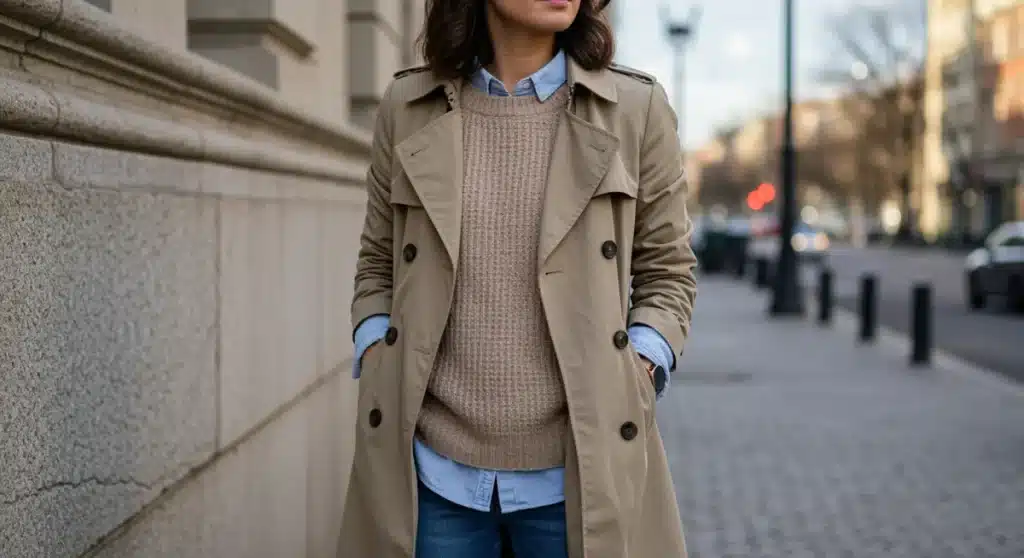
Mastering transitional weather layering is essential for US fashion enthusiasts in early 2026, offering smart strategies to significantly boost outfit versatility and comfort during unpredictable seasonal shifts.
As early 2026 approaches, fashion enthusiasts across the US are preparing for the inevitable shift in climates. Navigating transitional weather: 7 smart layering strategies for US fashion enthusiasts in early 2026, boosting outfit versatility by 40%, is not just about staying warm or cool; it’s about mastering the art of adaptable style.
understanding transitional weather dynamics
Transitional weather, often characterized by unpredictable temperature swings within a single day, presents a unique challenge for fashion-conscious individuals. This period, usually spanning late winter to early spring and late summer to early autumn, demands a wardrobe that can adapt quickly.
In the US, these shifts can be particularly pronounced, with regions experiencing frosty mornings and warm afternoons. Understanding these dynamics is the first step toward building a truly versatile wardrobe.
the unpredictability factor
The core of transitional weather is its unpredictability. One moment you might need a heavy coat, and the next, a light jacket suffices. This necessitates a thoughtful approach to dressing, where each piece serves a purpose and can be easily added or removed.
- Mornings can be significantly colder than afternoons.
- Sudden rain showers are common during these periods.
- Indoor temperatures can vary greatly from outdoor conditions.
- Wind chill often plays a role, even on sunny days.
regional variations in the US
The vast geographical landscape of the US means that transitional weather manifests differently across states. A strategy that works in New England might need adjustments for California or Florida.
For instance, the Pacific Northwest often experiences damp, mild transitions, while the Midwest can see dramatic temperature drops. Adapting layering strategies to these regional nuances is crucial for both comfort and style.
Ultimately, a deep understanding of your local climate’s transitional patterns empowers you to make smarter, more effective wardrobe choices. This knowledge forms the foundation for truly versatile and functional fashion.
the foundation: lightweight base layers
The secret to successful layering begins with the base. Lightweight base layers are the unsung heroes of transitional weather, providing comfort without bulk. They are designed to be worn directly against the skin, offering a smooth foundation for subsequent layers.
Opting for breathable fabrics that wick away moisture is paramount, ensuring you stay dry and comfortable as temperatures fluctuate. This strategic choice prevents overheating and chills.
choosing the right fabrics
The material of your base layer significantly impacts its effectiveness. Natural fibers like cotton, merino wool, and silk are excellent choices due to their breathability and temperature-regulating properties.
- Merino wool: Offers natural temperature regulation and odor resistance, ideal for varying conditions.
- Cotton: Soft and breathable, best for less intense fluctuations or as a casual option.
- Silk: Luxuriously soft and lightweight, providing warmth without bulk.
- Technical blends: Synthetic options that excel at moisture-wicking and quick-drying.
versatility of base layers
A good base layer should be versatile enough to stand alone if needed, or seamlessly blend under other garments. Think fitted t-shirts, camisoles, or long-sleeve tops in neutral colors that complement a wide range of outfits.
The goal is to create a sleek silhouette that doesn’t add unnecessary bulk, allowing for easy addition and removal of layers throughout the day. This foundational step is critical for maximizing outfit potential.
Investing in high-quality base layers ensures not only comfort but also longevity, making them a wise choice for any fashion enthusiast. They are the true starting point for mastering transitional dressing.
mid-layers: adding warmth and style
Once your base layer is in place, the mid-layer comes into play, offering essential warmth and an opportunity to inject personal style. These pieces are designed to trap air, providing insulation, and are often the most visible elements of a layered look.
Selecting mid-layers that are both functional and fashionable is key to achieving a balanced and versatile outfit. They should complement your base layer while preparing for your outer layer.
cardigans and sweaters
Cardigans and lightweight sweaters are classic mid-layer choices. They are easy to slip on and off, making them perfect for adapting to changing temperatures. Materials like fine-gauge knits, cashmere, or soft cotton blends are excellent options.
Consider cardigans with interesting textures or patterns to add visual interest, or opt for solid colors that can be mixed and matched with various base layers.
vests and blazers
For a more structured or polished look, vests and blazers serve as excellent mid-layers. A quilted vest can provide core warmth without restricting arm movement, while a tailored blazer instantly elevates an outfit.
- Quilted vests: Ideal for adding warmth and a sporty chic touch.
- Wool or tweed blazers: Offer sophisticated warmth and can transition from office to evening.
- Denim jackets: A casual yet effective mid-layer for milder days.
- Lightweight utility jackets: Functional and fashionable, perfect for a rugged aesthetic.
The beauty of mid-layers lies in their ability to transform an outfit. By carefully selecting pieces that offer both warmth and stylistic appeal, you can create numerous looks from a limited number of items, greatly boosting versatility.
outerwear: the protective and defining layer
The outermost layer is your primary defense against the elements and often the defining statement of your transitional weather ensemble. It needs to offer protection from wind, rain, and cold, while also completing your overall aesthetic.
Choosing the right outerwear is crucial for both practicality and making a strong fashion statement. This layer should be versatile enough to pair with various mid and base layers.
trench coats and light jackets
Trench coats are timeless for transitional weather, offering elegance and protection from rain. Their classic design makes them suitable for both casual and formal occasions.
- Trench coats: Water-resistant, stylish, and perfect for a sophisticated look.
- Anoraks/Parkas: Offer superior wind and rain protection, often with hoods.
- Denim jackets: Versatile and casual, great for milder, dry days.
- Leather jackets: Add an edgy touch while providing warmth and wind resistance.
packable options
For maximum versatility, consider packable outerwear options. These lightweight jackets or vests can be folded into a small pouch, making them easy to carry in a bag and deploy when needed.
This is especially useful for those days when the weather forecast is uncertain or if you anticipate significant temperature changes throughout your day. Packable options ensure you are always prepared without feeling burdened.
Ultimately, your choice of outerwear should reflect your personal style while providing the necessary functional benefits. A well-chosen outer layer can significantly enhance your outfit’s adaptability and overall appeal.
accessories: elevating and adapting your look
Accessories are not just adornments; they are powerful tools for adapting your outfit to transitional weather and elevating your style. Scarves, hats, and gloves can provide crucial warmth and protection, while also adding personality and flair.
These smaller items play a significant role in both comfort and completing a cohesive, stylish look. They offer an easy way to adjust to temperature changes without fully changing your main garments.
scarves: the versatile hero
A well-chosen scarf is perhaps the most versatile accessory for transitional weather. It can add a pop of color, texture, or pattern, and most importantly, provide instant warmth around the neck and chest.
- Lightweight silk scarves: Add elegance and a touch of warmth.
- Cashmere or fine wool scarves: Provide substantial warmth without bulk.
- Oversized blanket scarves: Can double as a shawl or wrap for extra coziness.
hats and gloves
Don’t underestimate the power of hats and gloves during cooler transitional periods. A stylish beanie or a pair of leather gloves can make a significant difference in your comfort level, especially during early mornings or late evenings.
They also offer an opportunity to express your personal style, with various materials, colors, and designs available to complement any outfit.
By thoughtfully incorporating accessories, you can fine-tune your layered look for optimal comfort and style, making your outfits even more adaptable to the whims of transitional weather.
color palette and texture play
Beyond the individual garments, the strategic use of color palettes and diverse textures can significantly enhance the versatility and visual appeal of your layered outfits. A cohesive color scheme makes mixing and matching effortless, while varied textures add depth.
Thinking about how colors and textures interact across your layers can elevate a simple outfit into a fashion statement, making your wardrobe work harder.
building a versatile color palette
Opting for a foundational palette of neutrals (black, white, gray, navy, beige) allows for maximum interchangeability between pieces. You can then introduce pops of color through your base layers or accessories.
Consider seasonal colors that complement your chosen neutrals. For early 2026, muted pastels or earthy tones might be trending, offering fresh options without sacrificing versatility.
embracing texture variation
Mixing different textures is key to creating visually interesting layered looks. The contrast between a smooth silk base, a chunky knit mid-layer, and a crisp cotton trench coat adds dimension and sophistication.
- Smooth fabrics: Silk, satin, fine cotton for base layers.
- Knits: Cashmere, merino wool, chunky knits for mid-layers.
- Structured fabrics: Denim, leather, twill for outerwear.
- Soft accents: Faux fur, suede for accessories.
The interplay of colors and textures transforms layered clothing from purely functional to fashion-forward. This thoughtful approach ensures your outfits are not only practical but also exquisitely styled, boosting your overall versatility.
smart shopping for layering success in 2026
Building a wardrobe optimized for transitional weather layering requires smart shopping choices. Focusing on quality, versatility, and timeless pieces will ensure your investments pay off for years to come, especially as fashion evolves into early 2026.
Prioritizing garments that can serve multiple purposes and integrate seamlessly with existing items is key to maximizing outfit potential and minimizing unnecessary purchases.
investing in quality staples
High-quality garments not only last longer but also drape better and offer superior comfort. Investing in well-made base layers, mid-layers, and outerwear means you’ll have reliable pieces that stand the test of time and countless washes.
Look for durable fabrics and strong construction. While initial costs might be higher, the long-term value and reduced need for replacements make them a more economical choice.
the capsule wardrobe approach
Adopting a capsule wardrobe mentality can greatly simplify layering. By curating a selection of versatile items that can be mixed and matched endlessly, you reduce decision fatigue and ensure every piece earns its keep.
- Focus on neutrals: Build a core of black, white, gray, navy, and beige.
- Choose multi-functional items: A dress that can be worn alone or as a tunic over pants.
- Prioritize comfort: Ensure pieces feel good against your skin.
- Consider trends sparingly: Integrate a few trendy items that complement your staples.
By shopping strategically and thoughtfully, you can build a highly adaptable wardrobe that excels at transitional weather layering. This approach not only boosts your outfit versatility but also promotes a more sustainable and conscious fashion consumption habit.
| Key Layering Strategy | Brief Description |
|---|---|
| Lightweight Base Layers | Choose breathable, moisture-wicking fabrics like merino wool or cotton for comfort against the skin. |
| Versatile Mid-Layers | Incorporate cardigans, light sweaters, or vests for adaptable warmth and style. |
| Functional Outerwear | Opt for trench coats, light jackets, or packable options for protection and style. |
| Strategic Accessories | Utilize scarves, hats, and gloves for added warmth, protection, and style elevation. |
frequently asked questions about transitional layering
For base layers, breathable and moisture-wicking fabrics are ideal. Merino wool is excellent for its temperature regulation and odor resistance, while cotton offers softness for milder days. Silk provides lightweight warmth, and technical synthetic blends are great for active use due to their quick-drying properties.
To avoid bulk, focus on fitted base layers and gradually add looser, slightly larger mid and outer layers. Play with different textures and a cohesive color palette. Ensure each layer serves a purpose and can be easily removed. Proportion and balance are key to a sleek, layered look.
Accessories like scarves, hats, and gloves are crucial for adaptability. They provide adjustable warmth and protection from the elements, allowing you to fine-tune your comfort level quickly. They also add a powerful element of style, texture, and color to complete your outfit.
It’s best to invest primarily in high-quality, timeless staple pieces for your core layering wardrobe, such as classic trench coats, versatile sweaters, and neutral base layers. You can then incorporate a few trendy accessories or a single statement mid-layer to update your look without overhauling your entire collection.
Regional variations in the US significantly impact layering. For example, a damp Pacific Northwest transition might require more water-resistant layers, while a dramatic Midwest temperature swing demands more insulating options. Always consider your local climate’s specific patterns to optimize your layering choices for comfort and protection.
conclusion
Mastering transitional weather layering is an art that combines practicality with personal expression. By understanding the dynamics of unpredictable climates, starting with smart base layers, adding versatile mid-layers, choosing functional outerwear, and leveraging accessories, fashion enthusiasts in the US can navigate early 2026 with confidence and style. This strategic approach not only ensures comfort but also significantly boosts outfit versatility, allowing for a dynamic and adaptable wardrobe that is ready for anything the weather throws its way.
