Winter 2026 Style Guide: Top 3 Outerwear Trends for US Consumers
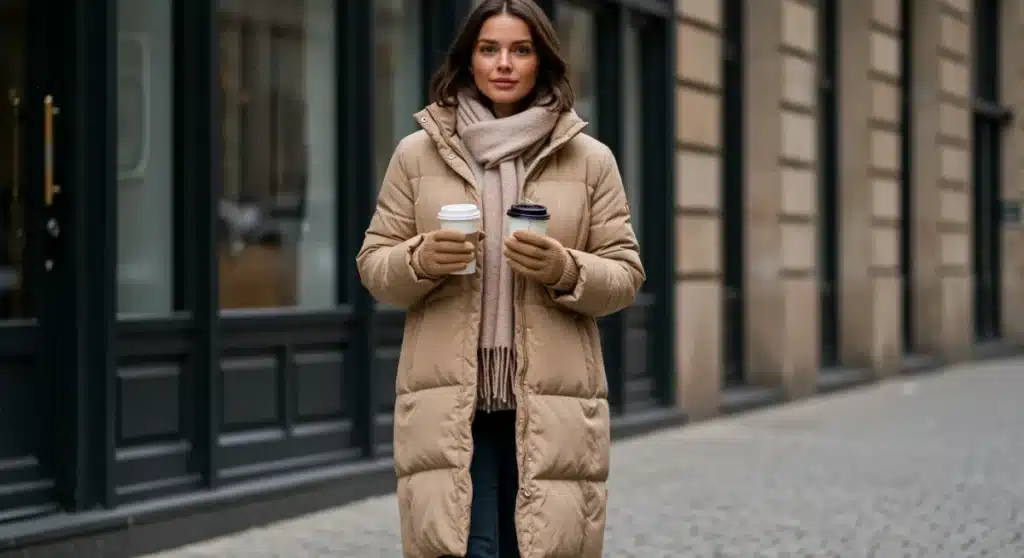
The Winter 2026 Style Guide highlights three essential outerwear trends for US consumers, designed to maximize warmth and fashion while offering practical strategies to reduce cold-weather spending by up to 15%.
As the chill of winter 2026 approaches, US consumers face the perennial challenge of staying warm without sacrificing style or overspending. This year, the focus shifts to smart, adaptable fashion. Our Winter 2026 Style Guide: 3 Must-Have Outerwear Trends for US Consumers to Maximize Warmth and Fashion, Reducing Cold-Weather Spending by 15% offers a strategic approach to your cold-weather wardrobe, ensuring you remain both cozy and chic.
The Rise of Elevated Puffer Coats: Beyond Basic Warmth
Puffer coats have long been a winter staple, but for winter 2026, they transcend their utilitarian roots to become true fashion statements. No longer just for extreme cold, these elevated versions integrate sophisticated designs, innovative materials, and a refined aesthetic, offering a perfect blend of functionality and high fashion. Consumers are seeking pieces that perform well in varying temperatures but also elevate their overall look, making the elevated puffer a cornerstone of this season’s wardrobe.
Innovative Materials and Sustainable Choices
The evolution of the puffer coat is deeply intertwined with advancements in textile technology. For 2026, we see a significant push towards sustainable and high-performance materials. Recycled down alternatives, plant-based insulation, and water-resistant finishes are becoming standard, offering warmth without the environmental footprint.
- Recycled Synthetics: Many brands are now utilizing recycled polyester and nylon, reducing waste and conserving resources.
- Bio-Based Fillers: Innovations like insulation derived from corn or other plant materials offer comparable warmth to traditional down.
- Durable Water Repellent (DWR) Finishes: These treatments are increasingly eco-friendly, providing protection against snow and sleet without harmful chemicals.
These material choices not only benefit the planet but also contribute to the longevity and performance of the garments, making them a wise investment for the discerning consumer. Opting for these sustainable choices can also lead to long-term savings, as they often boast superior durability and require less frequent replacement.
Design Aesthetics: From Oversized to Tailored Silhouettes
The silhouette of the 2026 puffer coat is diverse, catering to various personal styles. While oversized, cocoon-like shapes remain popular for their comfort and dramatic appeal, more tailored and structured options are emerging, offering a sleeker, more sophisticated look. Lengths vary from cropped styles that pair well with high-waisted trousers to full-length coats providing maximum coverage.
Color palettes are also expanding beyond traditional black and navy, with earthy tones, deep jewel hues, and even subtle metallics making an appearance. The key is versatility—a puffer that can transition seamlessly from a casual weekend outing to a more polished urban environment. Investing in a versatile piece means fewer coats needed, directly contributing to reduced spending.
In conclusion, the elevated puffer coat for winter 2026 is more than just a warm layer; it’s a statement of conscious fashion and practical investment. By choosing pieces with innovative materials and versatile designs, consumers can stay ahead of trends while making economically sound decisions.
The Enduring Appeal of Wool and Cashmere Blends: Smart Investment Pieces
Wool and cashmere blends continue to dominate the premium outerwear market for winter 2026, solidifying their status as smart investment pieces. These natural fibers offer unparalleled warmth, breathability, and a luxurious feel that synthetic alternatives often struggle to replicate. For US consumers looking to reduce cold-weather spending, investing in high-quality wool or cashmere blend coats is a strategic move, as their durability and timeless appeal mean they last for many seasons, negating the need for frequent replacements.
Why Natural Fibers Remain Supreme for Warmth
The inherent properties of wool and cashmere make them ideal for cold climates. Wool fibers, with their natural crimp, create air pockets that trap heat, providing excellent insulation. Cashmere, known for its exceptional softness, is also incredibly warm despite its lightweight nature. Blending these fibers often results in a garment that combines the best of both worlds: the robust structure of wool with the delicate touch of cashmere.
- Superior Insulation: Both fibers excel at trapping body heat, offering effective warmth even in freezing temperatures.
- Breathability: Unlike many synthetics, natural fibers allow moisture to escape, preventing overheating and discomfort.
- Durability: High-quality wool and cashmere are remarkably resilient, resisting pilling and maintaining their shape over time.
Choosing these materials is not just about comfort; it’s about making an informed decision for long-term wear. A well-maintained wool or cashmere coat can easily last a decade or more, proving its value many times over.
Styling Versatility and Timeless Silhouettes
The beauty of wool and cashmere blend coats lies in their inherent versatility. Classic silhouettes like the tailored overcoat, the elegant wrap coat, and the sophisticated car coat are perennially in style. These designs transcend fleeting trends, ensuring that your investment remains fashionable year after year. For winter 2026, we see a focus on clean lines, subtle detailing, and a palette of sophisticated neutrals alongside rich, deep colors.
A well-chosen wool or cashmere blend coat can effortlessly elevate any outfit, from casual jeans and a sweater to formal evening wear. This adaptability means fewer specialized outerwear pieces are needed, simplifying your wardrobe and further reducing overall spending. Consider a neutral-toned coat—camel, charcoal, or classic black—as it will pair with virtually everything in your closet, maximizing its utility.
In essence, wool and cashmere blends are not just about luxury; they are about intelligent consumption. By opting for these high-quality, durable, and versatile garments, US consumers can navigate winter 2026 with elegance, warmth, and a significantly reduced fashion budget over time.
The Practicality of Technical Parkas: Function Meets Urban Fashion
For winter 2026, technical parkas have firmly established themselves as a crucial outerwear trend, seamlessly blending high-performance functionality with urban fashion sensibilities. These aren’t just for adventurers anymore; they are designed for the everyday US consumer navigating city streets and suburban landscapes, demanding both warmth and style. The practicality offered by technical parkas is key to reducing cold-weather spending, as their multi-functional design often eliminates the need for multiple specialized jackets.
Advanced Weather Protection and Smart Features
Modern technical parkas are engineered with cutting-edge materials and construction techniques to provide superior protection against the elements. Think waterproof and windproof membranes, insulated linings, and adjustable features that adapt to changing weather conditions. These features are not just about comfort; they are about preparedness and smart resource allocation.
- Gore-Tex and eVent Fabrics: These provide excellent waterproofing and breathability, keeping you dry without sacrificing comfort.
- Synthetic Insulation: High-loft synthetic fills offer warmth even when wet, a critical advantage in snowy or rainy conditions.
- Adjustable Hoods and Cuffs: These ensure a snug fit, preventing cold air from entering and maximizing heat retention.
The integration of smart features like internal pockets for devices, media ports, and reflective elements for visibility further enhances their utility. Owning one highly functional parka can replace the need for a separate rain jacket, a windbreaker, and a heavy winter coat, streamlining your wardrobe and saving money.
The Evolution of Style: From Expedition to Everyday
While technical parkas originated in expedition wear, their aesthetic has evolved significantly for the urban landscape. For winter 2026, designs are sleeker, with less bulk and more attention to tailoring. Colors range from classic black and olive green to more contemporary shades of grey, navy, and deep burgundy. The emphasis is on a clean, minimalist look that can be dressed up or down.
Many brands are now collaborating with fashion designers to create parkas that are as stylish as they are functional, blurring the lines between performance wear and high fashion. This means consumers no longer have to compromise on aesthetics to stay warm and dry. A well-designed technical parka can be worn over business casual attire for the commute or paired with jeans and sneakers for a weekend outing, making it an incredibly versatile and cost-effective choice.
Ultimately, technical parkas represent a smart investment for US consumers in winter 2026. Their advanced protection, practical features, and evolving style make them an indispensable part of a functional and fashion-forward cold-weather wardrobe, contributing significantly to reduced spending through their versatility and durability.
Strategic Layering: The Art of Maximizing Warmth and Minimizing Bulk
Beyond the primary outerwear piece, strategic layering is an art form for winter 2026, crucial for maximizing warmth and minimizing bulk, thereby contributing to reduced cold-weather spending. Instead of buying a single, extremely heavy coat for every possible scenario, understanding how to layer effectively allows US consumers to adapt to varying temperatures with fewer specialized garments. This approach focuses on versatility and intelligent use of existing wardrobe pieces.
The Three-Layer Principle for Optimal Warmth
The foundation of effective layering rests on the three-layer principle: a base layer, a mid-layer, and an outer shell. Each layer serves a specific purpose, working in concert to regulate body temperature and protect against the elements. Adhering to this principle means you can create numerous outfit combinations, extending the utility of your existing clothing.
- Base Layer: Wicks moisture away from the skin (e.g., merino wool, synthetic thermals). This is crucial for staying dry and preventing chills.
- Mid-Layer: Provides insulation and retains body heat (e.g., fleece, lightweight down vest, wool sweater). This layer is often the most adaptable.
- Outer Shell: Protects against wind, rain, and snow (e.g., technical parka, waterproof trench coat, elevated puffer). This is your primary defense against the elements.
By investing in quality pieces for each layer, consumers can create a modular system that offers warmth equivalent to, or even surpassing, a single heavy coat, often at a lower overall cost and with greater flexibility.
Versatility in Material and Design for Cost-Effectiveness
The key to cost-effective layering lies in choosing versatile pieces that can be mixed and matched. Opt for mid-layers that can be worn on their own indoors or in milder weather, and base layers that are comfortable enough for everyday wear. Materials like merino wool are excellent for base layers due to their natural temperature-regulating and odor-resistant properties, meaning they require less frequent washing and last longer.
Consider the color palette of your layering pieces. Neutrals and complementary tones ensure that different items can be easily combined, expanding your outfit options without needing to buy more. This strategy allows you to build a functional and stylish winter wardrobe that is both efficient and budget-friendly, aligning perfectly with the goal of reducing cold-weather spending by 15%.
In conclusion, strategic layering is an indispensable skill for US consumers navigating winter 2026. By understanding the three-layer principle and prioritizing versatile, high-quality pieces, individuals can achieve optimal warmth, reduce bulk, and make smarter fashion investments that pay off season after season.
Accessorizing for Maximum Warmth and Style Impact
In winter 2026, accessories play a pivotal role not just in completing an outfit, but in providing crucial warmth and significantly impacting overall style, all while being a cost-effective way to refresh a wardrobe. For US consumers, smart accessorizing can elevate existing outerwear, making older pieces feel new and relevant, thereby reducing the need for costly new coat purchases. This approach is fundamental to achieving both fashion goals and the target of reducing cold-weather spending.
The Power of Scarves, Hats, and Gloves
Often underestimated, scarves, hats, and gloves are your first line of defense against biting winds and freezing temperatures. They cover vulnerable areas like the neck, head, and hands, which are prone to significant heat loss. For winter 2026, these accessories are seeing a resurgence in both luxurious materials and bold designs.
- Scarves: Oversized, chunky knit scarves in wool or cashmere blends provide immense warmth and can add a pop of color or texture to a minimalist coat.
- Hats: Beanies, trapper hats, and elegant wool fedoras not only keep your head warm but also serve as a strong style statement.
- Gloves/Mittens: Leather gloves with cashmere lining, or insulated technical mittens, offer protection and a touch of sophistication.
Investing in a few high-quality accessories can dramatically alter the look and feel of your winter wardrobe. A new scarf can transform an old coat, making it feel fresh and current without the expense of a brand-new outerwear piece.
Beyond the Basics: Belts and Statement Jewelry
Accessories extend beyond the traditional warmth-providers. Belts, for instance, can cinch an oversized puffer or wool coat at the waist, creating a more flattering silhouette and adding a touch of tailored elegance. This simple addition can redefine the shape of an otherwise boxy coat, giving it a completely different aesthetic.
Statement jewelry, while not directly providing warmth, can draw attention and add personality to winter outfits, which often rely on darker, more subdued colors. A bold necklace or a pair of striking earrings can instantly elevate a simple sweater and coat combination, making your look feel more intentional and stylish. These small, impactful additions are a budget-friendly way to keep your style dynamic and interesting throughout the colder months.
In summary, strategically chosen accessories are indispensable for US consumers in winter 2026. They offer an affordable yet powerful means to enhance warmth, update existing outerwear, and inject personal style into cold-weather ensembles, playing a vital role in smart fashion and spending reduction.
Versatility and Durability: The Cornerstones of Smart Winter Spending
For US consumers navigating winter 2026, prioritizing versatility and durability in outerwear choices is paramount for smart spending. These two qualities are the cornerstones of a cost-effective wardrobe, allowing individuals to maximize the utility of each garment and significantly reduce the need for frequent replacements. This approach directly supports the goal of cutting cold-weather fashion expenses by 15% or more.
Investing in Multi-Purpose Outerwear
The concept of multi-purpose outerwear is simple yet powerful: choose garments that can serve several functions or adapt to various occasions. A durable, water-resistant parka, for example, can be your go-to for snowy days, but also a stylish layer for urban commutes. A classic wool overcoat can transition from business meetings to weekend brunches with ease.
- Removable Liners: Coats with zip-out insulated liners offer flexibility for varying temperatures, essentially giving you two coats in one.
- Convertible Styles: Jackets with detachable hoods, sleeves, or even bottoms allow for adaptation to different weather conditions and fashion preferences.
- Neutral Color Palettes: Opting for timeless colors like black, navy, charcoal, or camel ensures your outerwear pairs seamlessly with a wider range of outfits.
By selecting pieces that offer this kind of versatility, consumers can build a compact yet highly functional winter wardrobe, avoiding redundant purchases and making every dollar spent count. This thoughtful approach to buying reduces the overall expenditure on seasonal clothing.
The Long-Term Value of Durable Materials and Construction
Durability is not just about a garment lasting a long time; it’s about minimizing the hidden costs associated with fast fashion—frequent repairs, premature disposal, and the constant need to replace worn-out items. Investing in outerwear made from high-quality materials and with superior construction pays dividends in the long run.
Look for features like reinforced stitching, robust zippers, and high-quality fabrics (such as dense wools, ripstop nylons, or well-treated leathers). While the initial price point might be higher for such items, their extended lifespan means a lower cost-per-wear over time. This mindful consumption not only benefits your wallet but also aligns with more sustainable fashion practices, reducing textile waste.
In essence, by focusing on versatility and durability, US consumers in winter 2026 can build a resilient, adaptable, and economically smart outerwear collection. These principles are key to enjoying warmth and style throughout the cold season while successfully reducing overall spending.
Maintaining Your Winter Wardrobe: Extending Life and Value
Proper maintenance of your winter wardrobe is not merely a chore; it’s a critical strategy for extending the life and value of your garments, directly contributing to reduced cold-weather spending for US consumers in winter 2026. A well-cared-for coat or accessory lasts longer, performs better, and looks newer, postponing the need for costly replacements. This proactive approach is essential for maximizing your fashion investments.
Best Practices for Cleaning and Storage
Each type of outerwear has specific care requirements that, when followed, can significantly prolong its lifespan. Neglecting these can lead to premature wear and tear, fading, or damage to insulation properties. Understanding these best practices is key to preserving your garments.
- Puffer Coats: Often machine washable on a gentle cycle with specific detergents for down or synthetic fills. Ensure thorough drying to prevent clumping.
- Wool & Cashmere Blends: Typically require dry cleaning or very gentle hand washing. Store folded to prevent stretching and use cedar balls to deter moths.
- Technical Parkas: Follow manufacturer’s instructions for washing, often requiring special detergents that preserve waterproof coatings. Air dry or tumble dry on low.
Proper storage during off-seasons is equally important. Clean all garments before storing them in breathable garment bags in a cool, dry place. Avoiding plastic bags prevents moisture buildup and mildew, which can ruin fabrics and insulation.
Timely Repairs and Professional Care
Addressing minor issues promptly can prevent them from becoming major, expensive problems. A loose button, a small tear, or a failing zipper can often be easily fixed if caught early. Learning basic sewing skills or finding a reliable tailor can save you significant money over time.
For more complex issues, or for high-value items, professional cleaning and repair services are a worthwhile investment. Experts can handle delicate fabrics, re-waterproof technical garments, and repair intricate stitching, ensuring your outerwear remains in top condition. While there’s an immediate cost, it’s typically far less than replacing the entire garment. This mindful approach to care ensures that your winter 2026 outerwear trends remain stylish and functional for many seasons, effectively reducing long-term cold-weather spending.
In conclusion, meticulous maintenance and timely repairs are indispensable for extending the life and maximizing the value of your winter wardrobe. By adopting these practices, US consumers can ensure their outerwear investments continue to perform and look great, leading to significant savings and a more sustainable approach to fashion.
| Key Trend | Benefit for Winter 2026 |
|---|---|
| Elevated Puffer Coats | Combines high fashion with advanced insulation, offering versatile style and warmth for various settings. |
| Wool & Cashmere Blends | Timeless investment pieces providing superior warmth, breathability, and long-term durability. |
| Technical Parkas | Marries advanced weather protection with urban style, reducing the need for multiple specialized jackets. |
| Strategic Layering | Optimizes warmth with fewer garments, adapting to temperatures and maximizing existing wardrobe pieces. |
Frequently Asked Questions About Winter 2026 Outerwear
Elevated puffer coats in winter 2026 offer a blend of high fashion and innovative warmth. They feature sophisticated designs, sustainable materials, and versatile silhouettes. This makes them a smart investment for US consumers seeking both style and functionality, reducing the need for multiple, less effective coats.
Wool and cashmere blends are durable, timeless investment pieces. Their superior warmth and longevity mean they don’t need frequent replacement, unlike cheaper alternatives. This long-term value helps US consumers save money over several seasons, aligning with smart spending goals for winter 2026.
Absolutely. Technical parkas for winter 2026 have evolved to blend high-performance weather protection with urban fashion. They feature sleeker designs and versatile looks, making them perfect for city commutes and casual outings. Their multi-functionality also reduces the need for various specialized jackets.
Strategic layering involves combining a base, mid, and outer layer to adapt to varying temperatures with fewer garments. This approach maximizes the utility of existing wardrobe pieces, reducing the need to buy multiple heavy coats. It’s a cost-effective way to stay warm and stylish throughout winter 2026.
Proper maintenance significantly extends the life and value of your outerwear. Regular cleaning, correct storage, and timely repairs prevent premature wear and tear, postponing the need for expensive replacements. This proactive care ensures your winter 2026 fashion investments remain functional and stylish longer.
Conclusion
Navigating the cold months of winter 2026 with both style and financial prudence is entirely achievable for US consumers. By embracing the trends of elevated puffer coats, investing in durable wool and cashmere blends, and leveraging the practicality of technical parkas, individuals can build a versatile and warm wardrobe. Coupled with strategic layering and diligent maintenance, these approaches collectively offer a smart pathway to maximizing fashion impact while significantly reducing cold-weather spending by an estimated 15%. The key lies in conscious choices that prioritize quality, versatility, and longevity, ensuring both comfort and style throughout the season.
