90s Fashion Resurgence: Fall 2026 Runways Insider Trends
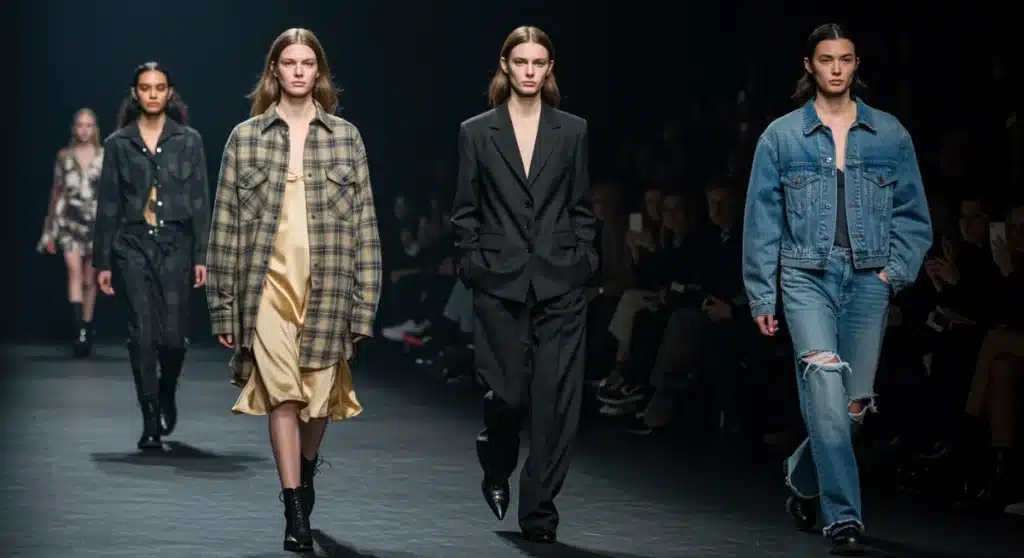
The 90s fashion resurgence is no longer just a nostalgic whisper; it has become the thunderous pulse of the Fall 2026 runways. Designers are dusting off the decade’s archives to redefine modern cool with a gritty, high-contrast edge.
This insider look deconstructs the retro revival, moving beyond mere imitation to explore three pivotal aesthetic pillars. We transition from stripped-back minimalism to rebellious street styles, bridging the gap between past subcultures and future luxury.
Prepare to navigate the season’s essential shifts as we analyze how these vintage-inspired looks are being reimagined for the contemporary wardrobe. It is a calculated return to form, proving that the era’s sartorial DNA is more relevant than ever.
The Enduring Appeal of 90s Grunge on Fall 2026 Runways
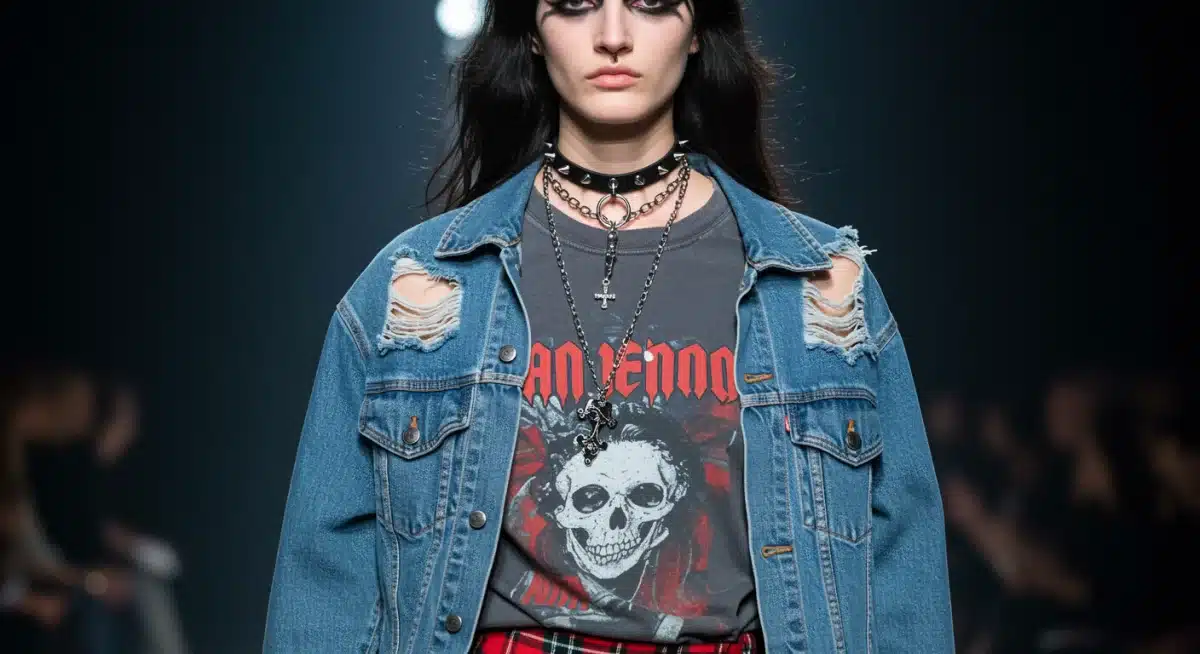
The raw, rebellious spirit of 90s grunge is making a powerful comeback, proving its timeless appeal on the Fall 2026 runways. This trend is characterized by distressed fabrics, oversized silhouettes, and a deliberate sense of undone style.
Designers are embracing plaid, ripped denim, and band tees, reimagining them with elevated textures and sophisticated layering.
This resurgence reflects a broader cultural desire for authenticity and individuality, moving away from hyper-polished aesthetics.
The grunge revival isn’t just about recreating old looks; it’s about channeling the attitude and ethos of the era into modern wardrobes. Expect to see a more refined take on the iconic anti-fashion movement.
Key elements include dark color palettes, heavy layering, and unexpected material combinations. The 90s fashion resurgence in grunge manifests through luxurious flannels, tailored ripped jeans, and deconstructed knitwear.
This trend offers comfort and an edgy sophistication, appealing to a wide demographic seeking expressive style.
Reimagining Distressed Denim and Plaid
Distressed denim, a cornerstone of 90s grunge, is being reinterpreted with a focus on artisanal craftsmanship and sustainable practices. Designers are incorporating intricate rips, patches, and fades that tell a story, moving beyond mass-produced imperfections.
This elevates the humble denim into a statement piece, reflecting a conscious approach to fashion.
Plaid, another iconic grunge motif, appears in richer fabrics like wool and cashmere, often in unexpected color combinations. It’s used in oversized blazers, flowing skirts, and even as subtle accents on accessories.
The versatility of plaid allows it to transition from casual streetwear to more formal, avant-garde ensembles on the runway.
Layering: The Art of Effortless Cool
Layering is fundamental to the grunge aesthetic, allowing for creative self-expression and practical adaptability.
Fall 2026 collections showcase clever combinations of slip dresses over long-sleeved tops, oversized sweaters under structured coats, and multiple textures creating visual depth. This approach emphasizes comfort and a relaxed, yet intentional, style.
The art of effortless cool is achieved through seemingly haphazard pairings that are, in fact, meticulously curated. This layering technique provides warmth for the colder months while adding an intriguing dimension to each outfit.
The 90s fashion resurgence highlights this strategic use of multiple garments.
The Return of Minimalist Chic: Clean Lines and Understated Elegance
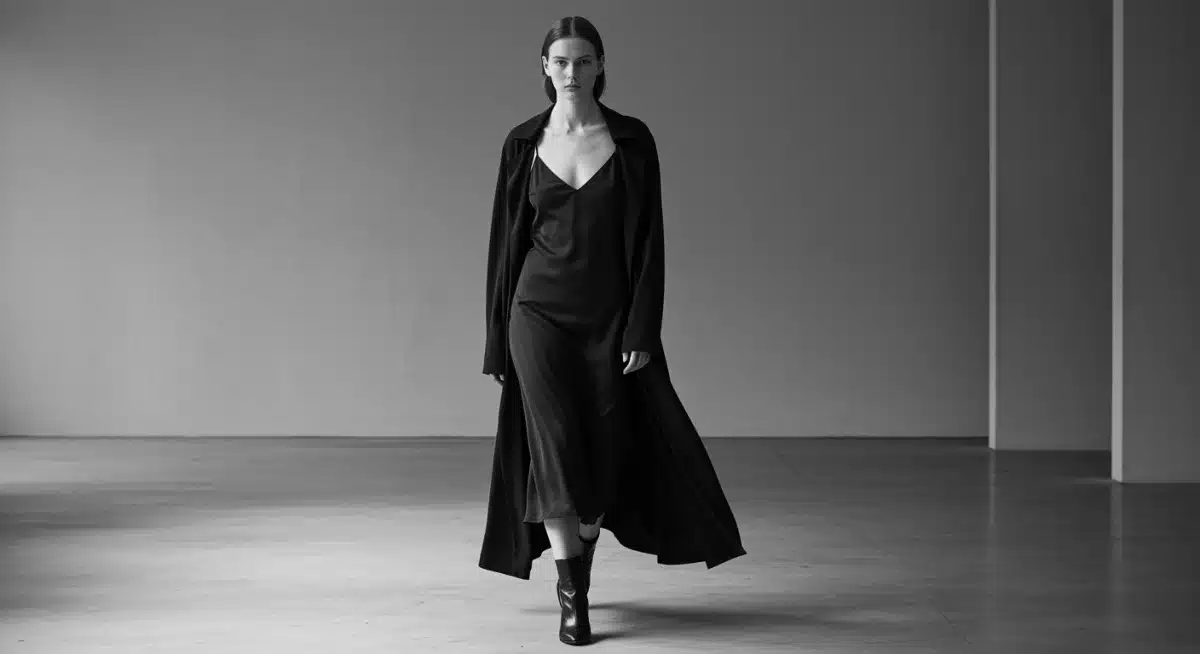
Minimalist chic, a counterpoint to grunge in the 90s, is experiencing a significant revival, emphasizing clean lines, neutral palettes, and understated elegance.
This trend focuses on quality over quantity, with impeccably tailored pieces and luxurious fabrics taking precedence. The Fall 2026 runways are awash with sophisticated silhouettes that exude timeless grace.
This aesthetic, championed by designers like Calvin Klein and Helmut Lang in its original iteration, is now being updated with modern sensibilities.
The focus remains on simplicity, functionality, and a refined approach to dressing. It offers a refreshing antidote to fast fashion, advocating for a more thoughtful and enduring wardrobe.
Expect to see streamlined slip dresses, tailored trousers, sleek bodysuits, and classic trench coats dominating collections. The color palette centers around black, white, gray, and earthy tones, allowing the cut and texture of the garments to speak for themselves.
The 90s fashion resurgence in minimalism is about quiet luxury and sophisticated restraint.
The Power of the Slip Dress and Tailored Separates
The slip dress, a symbol of 90s sensuality and simplicity, is being re-envisioned in luxurious silks and satins for Fall 2026. It appears both as an elegant standalone piece and as a versatile layering item, paired with chunky knits or sharp blazers.
Its effortless appeal makes it a key player in the minimalist movement.
Tailored separates, such as wide-leg trousers, perfectly cut blazers, and crisp button-down shirts, form the backbone of this trend. These pieces are designed to be mixed and matched, creating a cohesive and versatile wardrobe.
The emphasis is on precision tailoring and high-quality construction, ensuring longevity and a polished finish. This aspect of the 90s fashion resurgence champions investment pieces.
Neutral Palettes and Monochromatic Styling
The minimalist aesthetic thrives on a carefully curated neutral color palette, allowing the focus to remain on silhouette and texture. Shades of beige, cream, charcoal, and navy are predominant, providing a sophisticated and versatile foundation for any outfit. These colors create a sense of calm and understated luxury.
Monochromatic styling is a key technique within this trend, where entire outfits are composed of varying shades of a single color. This creates a visually cohesive and impactful look that is both modern and timeless.
The subtle variations in tone and texture add depth without overwhelming the simplicity of the design. The 90s fashion resurgence embraces this refined approach.
Logomania’s Bold Statement: Brand Identity Reimagined
Logomania, the overt display of brand logos and names, is experiencing a significant revitalization on Fall 2026 runways, reflecting a renewed interest in brand identity and status.
This trend, a prominent feature of 90s hip-hop and streetwear culture, is being reinterpreted with a blend of nostalgia and contemporary luxury. Designers are using bold graphics and recognizable emblems to make powerful visual statements.
This iteration of logomania moves beyond simple brand recognition, often incorporating artistic interpretations and unexpected placements of logos. It’s about celebrating consumer culture with a knowing wink, blending high fashion with a playful, street-savvy attitude.
The 90s fashion resurgence brings back this confident, often audacious, display of allegiance.
From all-over prints to subtle branding on accessories, logos are being integrated into collections in diverse and creative ways.
This trend caters to a generation that values authenticity and visual communication, using fashion as a means to express personality and align with specific brand narratives. The return of logomania is a clear indicator of shifting consumer preferences.
From Streetwear Influence to High Fashion Integration
The roots of logomania are deeply embedded in 90s streetwear, where brands like Tommy Hilfiger and FUBU became cultural touchstones. Today, this influence is being seamlessly integrated into high fashion collections, blurring the lines between luxury and urban style.
This fusion creates dynamic and accessible pieces that resonate with a broad audience, showcasing the widespread impact of the 90s fashion resurgence.
Designers are collaborating with artists and other brands to create unique logo treatments, transforming simple emblems into intricate designs. This elevates logomania from mere branding to a form of wearable art.
The result is clothing and accessories that are both fashionable and culturally relevant, making a strong statement on the Fall 2026 runways.
Strategic Placement and Subversive Branding
The placement of logos is becoming increasingly strategic, moving beyond obvious chest prints to more unexpected locations like cuffs, collars, and even within fabric weaves.
This subtle yet impactful approach adds an element of discovery and sophistication to the trend. It allows for branding to be present without being overtly ostentatious, appealing to a more discerning consumer.
Some designers are even engaging in subversive branding, playing with deconstructed logos or ironic statements that challenge traditional notions of brand identity.
This artistic approach adds a layer of intellectual engagement to logomania, making it more than just a display of wealth or affiliation. It’s a clever evolution of the 90s fashion resurgence.
Sustainability Meets Retro: A Conscious 90s RevivaL
The current 90s fashion resurgence is deeply intertwined with a growing emphasis on sustainability and ethical production. Designers are not just looking back at styles but also forward to responsible manufacturing.
This conscious revival integrates vintage aesthetics with modern eco-friendly practices, creating a new paradigm for retro fashion.
Brands are utilizing recycled materials, upcycled vintage pieces, and innovative sustainable fabrics to recreate 90s looks. This approach addresses environmental concerns while tapping into the nostalgia trend.
The focus is on creating durable, high-quality garments that stand the test of time, mirroring the longevity of classic 90s pieces.
Consumers are increasingly demanding transparency and ethical sourcing, influencing how these retro trends are brought to market. The Fall 2026 runways demonstrate a commitment to both style and planetary well-being.
This responsible adaptation of the 90s fashion resurgence marks a significant evolution in the fashion industry.
Upcycling and Vintage Inspiration
Upcycling old garments and incorporating vintage pieces are central to the sustainable 90s revival. Designers are deconstructing and reimagining existing clothing, giving new life to forgotten fabrics and silhouettes.
This reduces waste and creates unique, one-of-a-kind items that carry a story, resonating with consumers seeking individuality.
Vintage markets and archives are becoming invaluable resources for inspiration, allowing designers to authentically capture the essence of 90s style.
This not only promotes circular fashion but also celebrates the craftsmanship and enduring appeal of garments from that era. The 90s fashion resurgence leverages the past for a more sustainable future.
Ethical Production and Transparency
Brands are increasingly prioritizing ethical production practices, ensuring fair labor conditions and transparent supply chains. This commitment extends from the sourcing of raw materials to the manufacturing process, reflecting a holistic approach to sustainability.
Consumers are empowered to make informed choices, supporting brands that align with their values.
The demand for transparency is driving innovation in material science, with new eco-friendly alternatives emerging. Organic cotton, recycled polyester, and plant-based leathers are becoming commonplace in collections inspired by the 90s.
This dedication to ethical production enhances the appeal of the 90s fashion resurgence, making it a responsible choice.
Influential Designers and Their 90s Interpretations
Several influential designers are leading the charge in this 90s fashion resurgence, offering their unique interpretations of the decade’s iconic styles. Their collections on the Fall 2026 runways illustrate the breadth and versatility of these retro trends.
These creative forces are shaping how the 90s are perceived and integrated into contemporary fashion.
From established fashion houses to emerging talents, designers are drawing inspiration from various facets of the 90s, including music, art, and pop culture.
Their distinct visions are contributing to a rich tapestry of retro-inspired fashion. This diverse approach ensures that the revival feels fresh and relevant to a modern audience.
Key figures are showcasing how grunge can be luxurious, minimalism can be bold, and logomania can be artful. Their collections serve as a definitive guide to understanding the direction of Fall 2026 trends.
The 90s fashion resurgence is being masterfully crafted by these visionary designers, setting the tone for the season.
Leading the Grunge Revival
Designers known for their avant-garde and experimental approaches are particularly drawn to the grunge aesthetic. They are pushing boundaries with deconstructed garments, unconventional layering, and unexpected fabric mixes.
This creates a high-fashion take on grunge that is both edgy and sophisticated, appealing to those who embrace a rebellious spirit.
Their collections feature exaggerated proportions, asymmetrical cuts, and a strong emphasis on texture, from raw edges to intricate embroidery. The color palettes are often muted, with pops of deep jewel tones or metallic accents adding a touch of luxury.
This reinterpretation of grunge showcases its potential for high-end expression.
Pioneering Modern Minimalism
For modern minimalism, designers are focusing on impeccable tailoring, architectural silhouettes, and a rigorous attention to detail. Their collections speak to a desire for timeless elegance and functional luxury.
They often experiment with innovative fabrics that offer both comfort and structure, creating pieces that are both beautiful and practical.
These designers are known for their precise cuts and sophisticated use of neutral colors, allowing the form and texture of the garments to take center stage.
Their work demonstrates how simplicity can be deeply impactful and luxurious, proving that the 90s fashion resurgence can be both understated and powerful. Their vision defines contemporary chic.
Consumer Sentiment and Market Impact of 90s Trends
The 90s fashion resurgence is not just a runway phenomenon; it is significantly impacting consumer sentiment and market dynamics. Driven by nostalgia and a desire for authentic self-expression, consumers are actively seeking out 90s-inspired pieces.
This shift in demand is influencing purchasing behaviors and shaping retail strategies across the industry.
Social media platforms play a crucial role in amplifying these trends, with influencers and fashion enthusiasts showcasing their retro-inspired looks. This digital engagement creates a feedback loop that further fuels the demand for 90s aesthetics.
Brands are responding by incorporating these elements into their collections at various price points.
The market is seeing a rise in vintage sales and the proliferation of brands specializing in 90s-inspired apparel and accessories. This robust consumer interest confirms the commercial viability and widespread appeal of the 90s fashion resurgence.
It’s a trend that resonates across demographics, from those who lived through the 90s to younger generations discovering its charm.
Nostalgia as a Driving Force
Nostalgia is a powerful motivator, particularly for consumers who experienced the 90s firsthand. The return of these styles evokes positive memories and a sense of comfort in familiar aesthetics.
This emotional connection translates into purchasing decisions, as individuals seek to relive or reinterpret their past through fashion.
For younger generations, the 90s represent a period of distinct cultural identity and artistic expression, offering a fresh alternative to current trends.
They are drawn to the authenticity and unique character of 90s fashion, discovering it through archival images, music, and media.
Retail Strategies and Merchandising
Retailers are adapting their strategies to capitalize on the 90s trend, featuring dedicated sections for retro-inspired collections and collaborating with vintage sellers.
Merchandising efforts highlight key 90s elements like grunge flannel, minimalist slip dresses, and branded sportswear. This creates an immersive shopping experience that speaks to the trend’s influence.
E-commerce platforms are also seeing a surge in searches for 90s fashion items, prompting online retailers to curate their offerings accordingly.
Limited-edition drops and capsule collections inspired by the decade are proving particularly successful, generating excitement and driving sales.
The Evolution of Accessories in the 90s Revival
Accessories are playing a pivotal role in the 90s fashion resurgence, completing and defining the retro-inspired looks on Fall 2026 runways. From chunky footwear to minimalist jewelry and iconic bags, these elements are crucial for capturing the authentic spirit of the decade.
Designers are reintroducing and updating classic 90s accessories to complement contemporary collections.
The focus is on impactful pieces that either ground an outfit with an edgy vibe or elevate it with understated sophistication.
This season, accessories are not just add-ons; they are integral components that communicate the wearer’s style and connection to the 90s aesthetic. Expect a range of distinctive items that perfectly encapsulate the era.
Headbands, chokers, mini backpacks, and square-toe shoes are making a strong comeback, often reimagined with modern materials and refined finishes.
The 90s fashion resurgence in accessories offers endless possibilities for personal expression. These details are essential for truly embracing the retro wave.
Chunky Footwear and Minimalist Jewelry
Chunky footwear, including combat boots, platform sneakers, and block-heeled loafers, is a dominant force in the 90s revival. These substantial shoes provide a utilitarian edge to both grunge and minimalist outfits, offering comfort and a strong silhouette.
They contrast beautifully with delicate fabrics, creating visual interest and balance.
Minimalist jewelry, characterized by simple sterling silver pieces, delicate chain necklaces, and small hoops, offers a subtle counterpoint to bolder fashion statements.
This understated elegance aligns perfectly with the clean lines of 90s minimalism, providing a refined touch without overpowering the outfit. The 90s fashion resurgence balances bold and subtle.
Iconic Bags and Headwear
Iconic 90s bags, such as the baguette bag, mini backpacks, and structured shoulder bags, are back in vogue. These compact yet stylish accessories are appearing in various textures and colors, from classic leather to vibrant patents.
Their practical size and distinctive shapes make them perfect for carrying essentials while adding a touch of retro chic.
Headwear like wide fabric headbands, bucket hats, and even simple hair clips are also seeing a resurgence. These accessories provide an easy way to incorporate a 90s vibe into everyday looks, adding a playful or polished finish depending on the style chosen.
The widespread adoption of these accessories underscores the comprehensive nature of the 90s fashion resurgence.
| Key Trend | Brief Description |
|---|---|
| Grunge Revival | Distressed fabrics, plaid, oversized silhouettes, and layered looks with a refined edge. |
| Minimalist Chic | Clean lines, neutral palettes, tailored separates, and slip dresses emphasizing understated elegance. |
| Logomania | Bold brand graphics and emblems, reimagined with artistic interpretations and strategic placements. |
| Sustainable Retro | Integration of eco-friendly materials and upcycling into 90s-inspired designs for conscious fashion. |
Frequently Asked Questions About 90s Fashion Trends
The 90s fashion resurgence is defined by three key trends: grunge, minimalist chic, and logomania. These styles are reinterpreted with contemporary touches, focusing on quality, sustainability, and authentic expression. Designers are blending nostalgic elements with modern sensibilities to create fresh, relevant collections for the upcoming season.
Grunge is updated with elevated textures, sophisticated layering, and artisanal distressed fabrics. Expect luxurious flannels, tailored ripped denim, and deconstructed knitwear. The focus is on channeling the rebellious attitude of the 90s through refined materials and thoughtful design, making it more wearable and fashion-forward for Fall 2026 collections.
Minimalist chic emphasizes clean lines, neutral color palettes, and impeccable tailoring. Core elements include streamlined slip dresses, tailored trousers, and classic trench coats. The trend focuses on quality fabrics and sophisticated silhouettes that exude understated elegance, moving away from overt ornamentation to highlight form and function in the 90s fashion resurgence.
While still featuring bold branding, logomania has evolved to include artistic interpretations and strategic, sometimes subversive, logo placements. It’s about celebrating brand identity with a blend of nostalgia and contemporary luxury. Designers are using logos as an artistic statement, integrating them into collections in diverse and creative ways that go beyond simple recognition.
Sustainability is a key component, with designers incorporating recycled materials, upcycled vintage pieces, and ethical production practices. The revival is conscious, focusing on durable, high-quality garments that reduce waste and promote circular fashion. This approach ensures that the 90s fashion resurgence is not only stylish but also environmentally and ethically responsible.
Looking Ahead: The Enduring Legacy of 90s Influence
The 90s fashion resurgence on Fall 2026 runways signifies more than just a fleeting trend; it represents a deeper cultural shift towards valuing authenticity, conscious consumption, and personal expression.
This comprehensive revival, encompassing grunge, minimalism, and logomania, demonstrates the decade’s powerful and enduring influence on contemporary style.
It challenges designers and consumers alike to reconsider what makes fashion truly impactful and relevant in today’s world, proving the lasting power of the 90s aesthetic.
