Fall Fashion 2026: The Top 4 Color Palettes Projected to Sell 15% More in the US Market
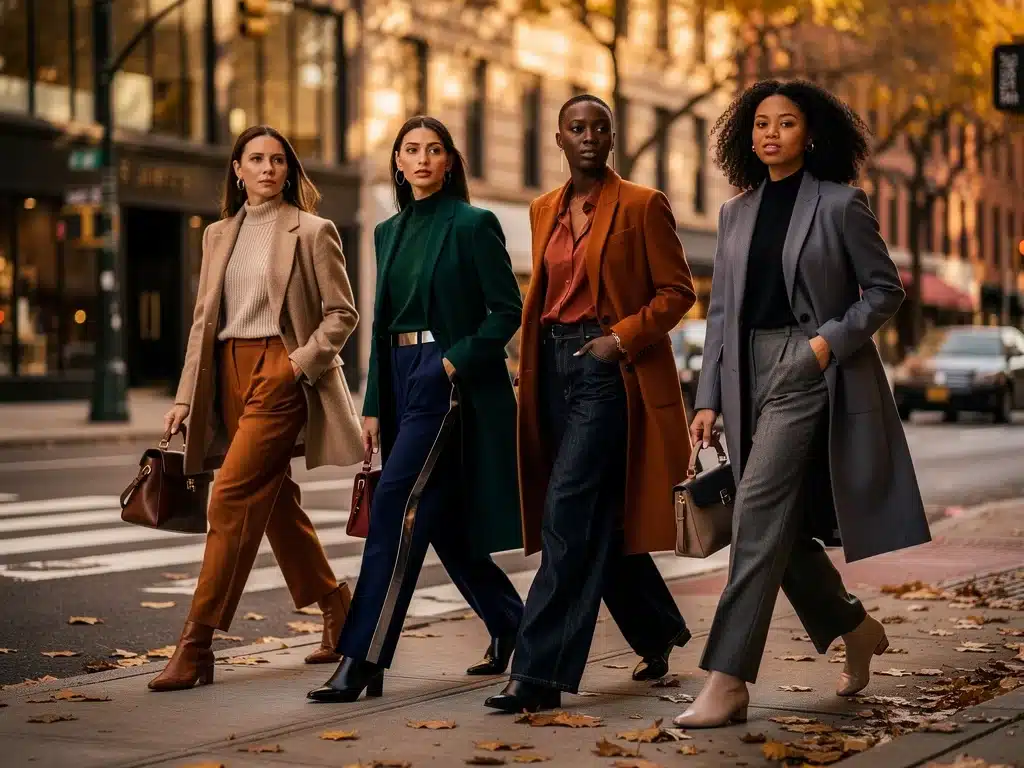
Are you ready to transform your retail strategy and capture the attention of next season’s shoppers? The secret lies in Fall Fashion 2026, where four distinct color palettes are projected to drive an impressive 15% surge in U.S. retail revenue.
This year’s curated autumnal tones do more than just look good on hangers, they leverage deep consumer psychology to inspire purchasing. From rich, cozy earth tones to striking modern pigments, these seasonal hues are set to dominate runways and digital storefronts alike.
Staying ahead of these commercial color shifts is the ultimate competitive advantage for designers and brands looking to maximize growth. Let’s dive into the specific aesthetics driving this boom, the data behind the trend, and how to optimize your inventory for the upcoming season.
Anticipating the Dominance of Earthy Neutrals
The first dominant trend for Fall Fashion 2026 centers on a refined selection of earthy neutrals, a palette that consistently resonates with American consumers seeking comfort and versatility.
These tones, ranging from soft beiges and warm tans to muted olives and deep charcoal, offer a sophisticated yet understated foundation for any wardrobe. Their enduring appeal lies in their timeless quality and ease of integration into various styles.
Market research indicates that these earthy neutrals are not just a safe bet but a strategic one, appealing to a broad demographic across different income brackets and lifestyles.
The demand for sustainable and long-lasting fashion pieces further bolsters the relevance of these foundational colors. Brands focusing on quality and enduring style will find significant success by leaning into this palette.
The versatility of earthy neutrals allows for effortless layering and mixing, which is a key characteristic of successful fall fashion. Consumers appreciate garments that can transition seamlessly from casual to formal settings, and this palette provides exactly that flexibility.
This trend is expected to significantly contribute to the projected 15% sales increase for Fall Fashion 2026: The Top 4 Color Palettes Projected to Sell 15% More in the US Market.
The Enduring Appeal of Timeless Shades
Timeless shades within the earthy neutral spectrum offer a sense of stability and sophistication. These colors embody a quiet luxury, emphasizing texture and cut over overt statements.
They provide a canvas upon which bolder accessories or accent pieces can truly shine, making them indispensable for versatile fall collections.
The psychological impact of these colors is also noteworthy, evoking feelings of calm, groundedness, and natural elegance. In an increasingly fast-paced world, consumers are drawn to fashion that offers a sense of enduring quality and understated chic.
This preference drives the sustained demand for these classic, versatile hues.
- Warm beige and sand tones for foundational pieces.
- Muted olive green and deep moss for outdoor wear.
- Charcoal gray and soft black for tailored garments.
Strategic Integration for Maximum Impact
For retailers, strategically integrating earthy neutrals means offering a wide array of silhouettes and fabrics in these colors.
From cozy knitwear to structured outerwear, the application of this palette should be diverse to cater to varied consumer needs. This approach ensures market penetration and broad appeal across different product categories.
Designers are encouraged to explore rich textures and innovative fabric blends that enhance the natural beauty of these shades.
Think wool, cashmere, and organic cotton, which not only feel luxurious but also align with consumer desires for sustainable options. The combination of classic colors and quality materials will be a powerful sales driver for Fall Fashion 2026.
Embracing Deep Forest Hues for Autumn Depth
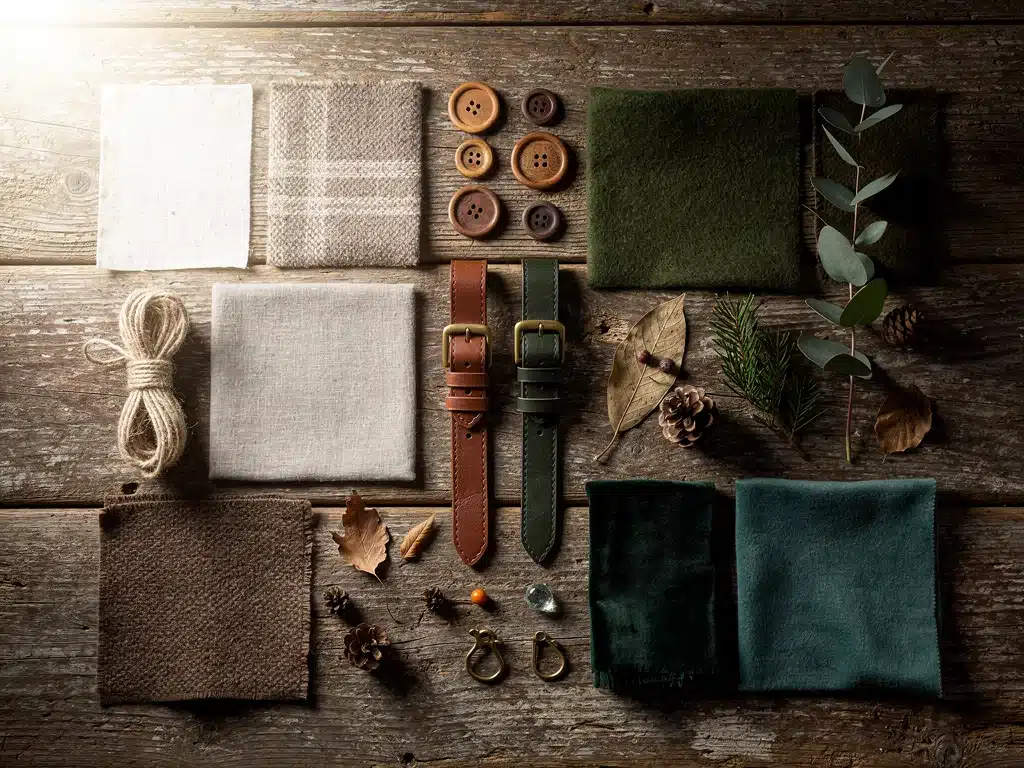
Another pivotal trend for Fall Fashion 2026 is the emergence of deep forest hues. This palette draws inspiration directly from the natural world, incorporating rich greens, deep browns, and sophisticated teals.
These colors offer a sense of organic luxury and an immediate connection to the autumn season, making them highly desirable for consumers.
The allure of deep forest hues lies in their ability to evoke a sense of tranquility and natural beauty, providing a serene contrast to the more vibrant palettes seen in other seasons.
These colors are particularly effective in creating a sense of depth and richness in fall collections. They offer a refreshing alternative to traditional autumn colors while maintaining seasonal appropriateness.
Retailers are advised to focus on garments that highlight the inherent richness of these colors, such as luxurious velvet, polished leather, and intricate knits.
The tactile quality of these fabrics, combined with the deep, saturated tones, will create a compelling offering for the Fall 2026 consumer. This combination is set to drive significant interest and sales.
The Richness of Nature-Inspired Tones
The spectrum of deep forest hues includes shades like emerald green, hunter green, deep teal, and various earthy browns, from mahogany to sepia.
These colors are often associated with sophistication and a connection to the environment, aligning with growing consumer awareness regarding sustainability and natural aesthetics. Their depth makes them ideal for statement pieces.
These colors are not just visually appealing; they also convey a sense of gravitas and elegance that is highly sought after in fall fashion.
They offer a departure from brighter summer palettes, signaling a transition into a more introspective and refined sartorial period. This shift is a key factor in their projected market success.
- Emerald and hunter greens for striking outerwear.
- Mahogany and chocolate browns for versatile separates.
- Deep teal accents in accessories and knitwear.
Creating Cohesive Fall Collections
To effectively leverage deep forest hues, designers should consider creating cohesive collections that blend these colors seamlessly.
This involves not only individual garments but also how different pieces can be combined to form complete, stylish outfits. The goal is to offer consumers a curated experience that simplifies their fall wardrobe choices.
Accessories in complementary metallic tones or contrasting neutrals can further enhance the appeal of deep forest hues.
Gold, bronze, and even subtle silver can provide a luxurious touch, elevating the overall aesthetic. This thoughtful pairing will undoubtedly contribute to the strong performance of Fall Fashion 2026.
The Allure of Rich Berry Tones for Vibrant Statements
Shifting towards a more vibrant yet equally sophisticated direction, the third key trend for Fall Fashion 2026 encompasses rich berry tones.
This palette features deep purples, luscious magentas, and luxurious cranberry reds, injecting a much-needed pop of color into the traditionally subdued autumn landscape. These hues are anticipated to capture the attention of consumers looking to make a bold yet elegant statement.
The vibrancy of rich berry tones offers a refreshing contrast to the more muted palettes, appealing to consumers who desire to express individuality and confidence through their clothing.
These colors are intrinsically luxurious, often associated with royalty and opulence, which adds to their desirability. They provide a perfect balance between autumnal depth and striking visual appeal.
Fashion houses and retailers are already exploring how to incorporate these rich, saturated colors into their collections, from evening wear to everyday accessories.
The impact of these tones is expected to be particularly strong in categories like dresses, blouses, and statement coats, where color can truly shine. This vibrancy will drive a significant portion of the projected sales increase.
Injecting Opulence with Jewel-Inspired Hues
Rich berry tones are often likened to precious jewels, conveying a sense of luxury and exclusivity. Shades like amethyst, ruby, and garnet evoke a feeling of richness and depth, making them perfect for creating standout pieces.
These colors suggest a refined taste and a willingness to embrace bold fashion choices.
The psychological effect of these vibrant hues is one of energy and passion. They can uplift a mood and make a powerful visual statement without being overly garish. This balance is critical for their success in fall fashion, where elegance is often prioritized alongside warmth and comfort.
- Deep plum and aubergine for sophisticated dresses.
- Cranberry and raspberry for statement knitwear and accessories.
- Magenta and fuchsia as unexpected pops of color.
Versatile Styling with Bold Colors
Despite their boldness, rich berry tones are surprisingly versatile and can be styled in numerous ways. They pair beautifully with earthy neutrals, creating a sophisticated contrast, or can be worn monochromatically for a dramatic effect.
This adaptability makes them appealing to a wide range of fashion preferences.
For retailers, promoting multi-functional garments in these colors will be key. Think pieces that can transition from day to evening, or from a professional setting to a social event. The strategic use of rich berry tones is a crucial component of the success of Fall Fashion 2026.
The Sophistication of Muted Metallics and Shimmers
Rounding out the top four color palettes for Fall Fashion 2026 are muted metallics and subtle shimmers.
This trend introduces an element of understated glamour, moving away from overtly flashy metallics towards more refined and sophisticated finishes. Think brushed gold, antique silver, and subtle bronze, often incorporated into textures rather than overt glitter.
The appeal of muted metallics lies in their ability to add a touch of luxury and modernity without being ostentatious.
These finishes are ideal for elevating everyday wear or adding a sophisticated edge to evening attire. They reflect light subtly, creating a dynamic visual interest that is both chic and contemporary, making them a significant draw for consumers.
Designers are integrating these shimmers into fabrics, embellishments, and even as subtle coatings on more traditional materials. The focus is on creating depth and an almost ethereal quality, rather than a blatant sparkle.
This nuanced approach to metallics is expected to resonate strongly with the discerning consumer market, contributing significantly to the projected sales increase.
Subtle Shine for Modern Elegance
Muted metallics offer a contemporary take on glamour, providing a sophisticated sheen that complements rather than overwhelms.
These shades are versatile, working well with both the earthy neutrals and deep berry tones, creating harmonious and stylish ensembles. Their subtle nature ensures they remain elegant and wearable for various occasions.
The psychological impact of these metallics is one of quiet confidence and refined taste. They suggest an appreciation for quality and detail, without needing to shout for attention. This understated elegance is a key trend driving consumer choices for Fall 2026.
- Brushed gold accents on hardware and jewelry.
- Antique silver finishes on bags and shoes.
- Subtle bronze threads woven into knitwear.
Innovating with Texture and Finish
The incorporation of muted metallics goes beyond mere color; it involves innovative textures and finishes.
Think lamé fabrics with a soft drape, subtle metallic threads woven into tweed, or even metallic leather and suede. These material choices enhance the luxurious feel and visual depth of the garments.
Retailers should highlight how these metallic elements can elevate a simple outfit, transforming it into something special.
This focus on transformative styling will be a powerful selling point for Fall Fashion 2026, encouraging consumers to invest in pieces that offer both style and versatility.
Market Strategies for the Projected 15% Sales Increase
Achieving the projected 15% sales increase for Fall Fashion 2026 requires more than just knowing the colors; it demands strategic market execution.
Retailers must align their inventory, marketing, and visual merchandising with these forecasted trends. Early adoption and effective communication of these palettes to consumers will be crucial for capturing market share.
Developing targeted marketing campaigns that showcase the versatility and appeal of each palette will be essential.
This includes high-quality photography and video content that inspires consumers and demonstrates how these colors can be integrated into their existing wardrobes. Emphasizing the emotional connection to these hues—whether it’s comfort, nature, vibrancy, or elegance—will drive engagement.
Furthermore, collaborations with influencers and stylists who can authentically promote these color trends will amplify reach and credibility.
The goal is to create a pervasive narrative around Fall Fashion 2026 that positions these four palettes as indispensable for the season. This proactive approach will solidify market position.
Optimizing Inventory and Supply Chains
Successful implementation begins with an optimized supply chain capable of producing and delivering garments in these specific colorways efficiently.
This involves strong relationships with suppliers and manufacturers who can meet demand without compromising on quality or ethical standards. Timely inventory management prevents both overstocking and missed sales opportunities.
Data analytics play a vital role in monitoring early sales performance of these palettes, allowing for agile adjustments to production and distribution.
Understanding regional preferences within the US market for specific shades will also enable more localized and effective inventory allocation. This dynamic approach ensures responsiveness to consumer behavior.
- Early procurement of fabrics in identified color palettes.
- Flexible manufacturing to adapt to demand shifts.
- Targeted distribution based on regional trend adoption.
Enhancing the In-Store and Online Experience
The consumer experience, both in physical stores and online, must reflect and reinforce these color trends. Visual merchandising should prominently feature the four palettes, creating inviting and inspiring displays.
Online platforms need to offer intuitive navigation and high-quality visuals that accurately represent the colors and textures.
Personalized recommendations based on customer purchase history and browsing behavior can also effectively promote products within these palettes.
Offering styling advice and curated collections helps consumers visualize how to incorporate these new colors into their personal style. This holistic approach will drive engagement and conversion for Fall Fashion 2026.
Consumer Behavior Driving Fall 2026 Color Choices
The projected success of Fall Fashion 2026 is deeply rooted in evolving consumer behavior and psychological factors. Consumers are increasingly seeking fashion that offers both aesthetic appeal and emotional resonance.
The chosen palettes cater to a diverse range of these desires, from the need for comfort and stability to the yearning for self-expression and subtle luxury.
A growing emphasis on conscious consumption means consumers are looking for timeless pieces that offer longevity and versatility. This preference strongly supports the earthy neutrals and deep forest hues, which are often perceived as classic and enduring.
The investment in quality over quantity continues to influence purchasing decisions, favoring palettes that can be integrated into a lasting wardrobe.
Furthermore, the desire for personal expression remains a significant driver. Rich berry tones and muted metallics allow individuals to make stylish statements without sacrificing sophistication.
These palettes offer avenues for creativity and individuality, appealing to consumers who view fashion as an extension of their identity. Understanding these underlying motivations is key to market success.
The Role of Comfort and Security in Color Preference
In an unpredictable world, consumers often gravitate towards colors that evoke feelings of comfort, security, and familiarity. Earthy neutrals and deep forest hues provide this psychological anchor, offering a sense of groundedness.
These colors are inherently soothing and reassuring, making them highly desirable for garments intended for everyday wear and relaxation.
The return to nature-inspired aesthetics also plays a crucial role, as consumers seek to reconnect with the environment through their fashion choices.
This drives the popularity of colors that mimic natural landscapes, providing a sense of calm and well-being. This trend is expected to strengthen as consumers prioritize holistic wellness.
- Neutrals for a sense of stability and ease.
- Forest hues for connection to nature and tranquility.
- Colors that blend seamlessly with existing wardrobes.
Expressive Hues for Individual Identity
While comfort is important, many consumers also seek to express their individuality and personal style through bolder choices.
Rich berry tones and muted metallics cater to this need, allowing for vibrant yet sophisticated self-expression. These colors provide a means to stand out while maintaining an air of elegance.
The rise of social media and visual platforms further fuels the desire for expressive fashion, where distinctive color choices can make a strong impact.
Consumers are inspired by curated looks and seek to replicate or adapt them to their own unique style. This dynamic interplay between comfort and expression defines the current fashion landscape.
Global Influences Shaping US Fall Fashion 2026
While our focus remains on Fall Fashion 2026, it is imperative to acknowledge the significant role of global influences. Fashion is a highly interconnected industry, with trends often originating from international runways, cultural movements, and global socio-economic shifts.
These external factors subtly, yet powerfully, shape what resonates with the American consumer.
European fashion weeks, particularly those in Paris and Milan, continue to serve as significant trendsetters, often introducing color stories and stylistic directions that eventually permeate the US market.
Asian fashion capitals, with their innovative approaches to design and sustainability, also contribute to the global fashion dialogue. These diverse influences create a rich tapestry of inspiration.
Furthermore, global events, environmental concerns, and technological advancements all play a part in shaping consumer preferences.
For instance, a heightened awareness of climate change can increase the appeal of nature-inspired palettes and sustainable fashion choices. Understanding these broader contexts provides a more holistic view of why certain colors gain traction.
Intercontinental Design Dialogues
The exchange of design ideas and color forecasts between continents is constant. What begins as a niche trend in one region can quickly gain global momentum through digital platforms and international collaborations.
This intercontinental dialogue enriches the fashion landscape, offering US consumers a wider array of stylistic choices.
This global perspective helps explain the nuanced appeal of the four projected palettes.
For example, the sophistication of muted metallics might stem from European luxury trends, while the deep forest hues could be influenced by a global movement towards eco-conscious design. Recognizing these origins enhances strategic planning.
- Adoption of runway trends from Paris and Milan.
- Influence of sustainable design from Scandinavian and Asian markets.
- Digital trend forecasting platforms disseminating global insights.
Cultural Shifts and Consumer Psychology
Beyond design, global cultural shifts significantly impact color psychology and consumer receptiveness.
For instance, a global emphasis on mindfulness and well-being can increase the demand for calming, earthy tones. Conversely, a period of collective optimism might see a rise in more vibrant and expressive colors.
The interconnectedness of global media means that fashion trends are no longer confined by geographical borders.
A popular television series or a viral social media trend originating from any part of the world can spur demand for specific colors or styles in the US market. Staying attuned to these cultural currents is vital for predicting fashion success.
Forecasting Beyond 2026: Sustaining Color Relevance
While the immediate focus is on Fall Fashion 2026, forward-thinking brands and retailers are already looking beyond this horizon.
The fashion cycle is relentless, and understanding how to sustain the relevance of these color palettes, or evolve them for subsequent seasons, is crucial for long-term success. This involves continuous trend monitoring, consumer feedback analysis, and innovative design.
The longevity of a color trend often depends on its adaptability and its ability to be reinterpreted in fresh ways. For instance, earthy neutrals, while timeless, can be updated with new textures, subtle shifts in tone, or unexpected pairings to maintain their appeal.
The key is to avoid stagnation and continually offer novelty within a familiar framework.
Investing in research and development to explore new dyeing techniques, sustainable materials, and innovative finishes will also play a significant role in sustaining color relevance.
The fashion industry’s commitment to environmental responsibility means that colors derived from eco-friendly processes will gain increasing preference. This holistic approach ensures future market success.
Evolving Palettes for Future Seasons
Evolving the projected Fall 2026 palettes means understanding their core appeal and adapting them to new contexts. For example, deep forest hues could transition into lighter, brighter greens for spring, or be enriched with darker, more mysterious undertones for winter.
This ensures a consistent brand identity while offering seasonal variation.
The interplay of these four palettes also offers opportunities for evolution. Combining elements of muted metallics with rich berry tones, or integrating earthy neutrals with deep forest hues, can create fresh and exciting new color stories.
This dynamic approach keeps collections engaging and relevant to changing consumer tastes.
- Introducing new textures to refresh classic colors.
- Experimenting with innovative color combinations.
- Adapting core palettes to different seasonal contexts.
The Importance of Consumer Feedback Loops
Continuous engagement with consumers is paramount for understanding how color preferences are evolving.
This includes analyzing sales data, conducting surveys, and monitoring social media conversations. Feedback loops provide invaluable insights into what resonates with the target audience and where future opportunities lie.
Brands that actively listen to their consumers and adapt their offerings accordingly will be best positioned for sustained success.
This agile approach to trend forecasting and product development ensures that future collections remain aligned with market demand, building on the momentum generated by Fall Fashion 2026.
| Key Trend | Brief Description |
|---|---|
| Earthy Neutrals | Timeless, versatile shades offering comfort and sophistication. |
| Deep Forest Hues | Nature-inspired greens and browns for organic luxury. |
| Rich Berry Tones | Vibrant purples and reds for bold, elegant statements. |
| Muted Metallics | Subtle shimmers and brushed finishes for modern glamour. |
Frequently Asked Questions about Fall Fashion 2026 Color Palettes
The top four color palettes projected to drive sales for Fall Fashion 2026 are Earthy Neutrals, Deep Forest Hues, Rich Berry Tones, and Muted Metallics. These palettes cater to diverse consumer preferences, offering a blend of comfort, sophistication, vibrancy, and modern elegance. Each palette is strategically positioned to capture significant market share in the US.
These palettes align with evolving consumer desires for versatility, sustainability, personal expression, and subtle luxury. Market analysis indicates a strong resonance with these themes, driving purchasing decisions. Strategic integration by retailers and designers, coupled with effective marketing, is expected to capitalize on these preferences, leading to the projected sales increase.
Retailers should optimize inventory, develop targeted marketing campaigns, and enhance both in-store and online visual merchandising. Showcasing the versatility of these palettes through styling guides and personalized recommendations will engage consumers. Collaborations with influencers and a focus on quality fabrics will also amplify reach and credibility for Fall Fashion 2026.
Yes, global influences significantly shape these trends. International runways, cultural movements, and global socio-economic shifts contribute to the color stories that resonate with US consumers. The interconnectedness of the fashion industry means that intercontinental design dialogues and global cultural shifts play a crucial role in predicting and adopting these palettes.
While specifically for Fall Fashion 2026, the core appeal of these palettes suggests potential for evolution into future seasons. Their longevity depends on adaptability, reinterpretation through new textures, and innovative pairings. Continuous consumer feedback and investment in sustainable materials will also help sustain their relevance beyond the immediate season.
Perspectives and Future Outlook
The detailed projections for Fall Fashion 2026 provide a clear directive for the fashion industry. This indicates a strategic alignment of consumer desires with product offerings.
What happens now is a critical period for brands to finalize their collections, refine marketing messages, and ensure supply chain readiness.
The success of these palettes will not only impact individual sales figures but also set a precedent for future trend forecasting methodologies. Industry players must remain agile, observing early market indicators and adapting strategies to fully capitalize on this significant opportunity.
