How to Transition Your Wardrobe from Fall to Winter 2026: 4 Strategic Layering Techniques
Understanding Fall to Winter Layering is crucial for adapting your style and comfort as temperatures drop. This guide explores four strategic techniques for 2026, ensuring your wardrobe remains functional and fashionable.
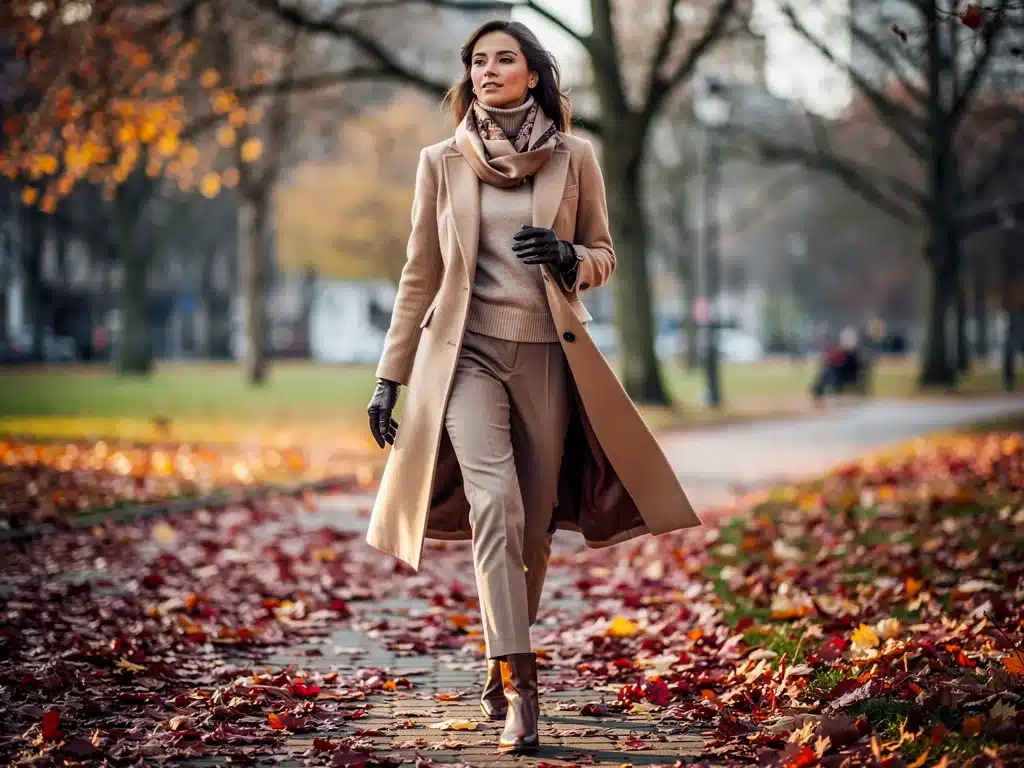
Have you ever found yourself shivering during your morning commute, only to overheat by mid-afternoon? Mastering Fall to Winter Layering is the ultimate key to staying seamlessly warm without ever sacrificing your personal style.
By strategically combining foundational knits, mid-weight fabrics, and tailored outerwear, cold-weather dressing transforms into an effortless art form. Balancing seasonal textiles and silhouettes ensures your closet stays both functional and sophisticated as the temperature drops.
Ready to elevate your cold-climate fashion strategy for the season ahead? Here are four practical techniques to help you build cozy, weather-adaptive outfits with complete confidence.
Understanding the Core Principles of Fall to Winter Layering
Effective Fall to Winter Layering hinges on understanding how different garments interact to provide insulation and adaptability. It’s not merely about piling on clothes, but about selecting pieces that complement each other in terms of fabric, fit, and function.
The goal is to create an outfit that can be easily adjusted throughout the day, accommodating changes in temperature from morning chill to midday warmth, and back to evening cold.
This strategic approach ensures you are prepared for any weather scenario without feeling bulky or restricted.
Successful Fall to Winter Layering also emphasizes the importance of quality over quantity, investing in versatile pieces that can be mixed and matched across various ensembles. It’s about building a cohesive wardrobe that works harder for you.
The Base Layer: Your Second Skin
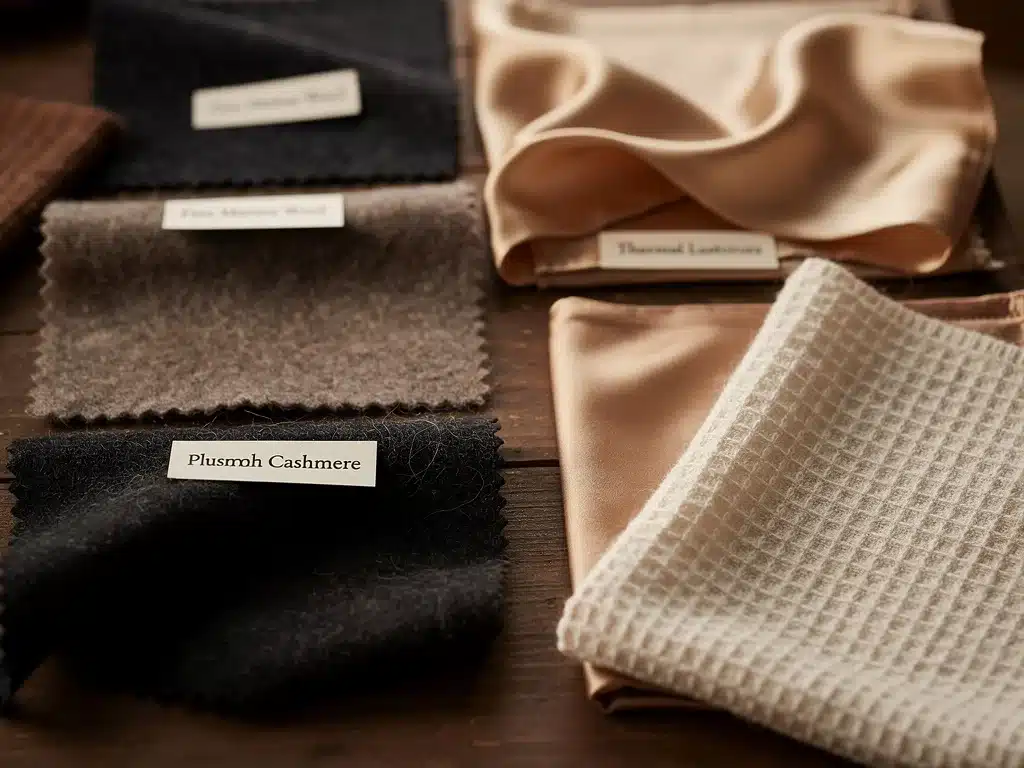
The base layer is the foundation of any successful layered outfit, acting as a second skin that wicks away moisture and provides initial warmth. Materials like merino wool, silk, or high-quality thermal synthetics are ideal for this purpose, offering both comfort and functionality.
Choosing the right base layer is paramount for regulating body temperature, preventing overheating indoors, and maintaining warmth outdoors. This initial layer should fit snugly but not restrictively, allowing for easy placement of subsequent garments without bulk.
Investing in several quality base layers in neutral tones provides a versatile starting point for countless outfit combinations, ensuring your Fall to Winter Layering is always effective.
- Merino wool: Excellent for warmth-to-weight ratio and moisture-wicking.
- Silk: Offers a luxurious feel, lightweight warmth, and breathability.
- Thermal synthetics: Durable, quick-drying, and often more budget-friendly.
The Mid-Layer: Insulation and Style
The mid-layer is where insulation truly comes into play, providing the bulk of the warmth necessary for colder temperatures. This layer allows for significant stylistic expression, ranging from fitted sweaters to chunky knits and tailored vests.
Materials such as cashmere, fleece, or heavier wool blends are perfect for mid-layers, trapping air to create an insulating barrier. The fit should be comfortable enough to wear over a base layer without being too baggy, allowing for a smooth silhouette under outerwear.
Consider cardigans, pullovers, or even lightweight puffer vests as versatile mid-layer options that contribute significantly to your Fall to Winter Layering strategy. They can be easily added or removed as conditions dictate.
Strategic Layering Technique 1: The Three-Piece Harmony
The three-piece harmony technique is a classic and highly effective method for Fall to Winter Layering, focusing on a base, a mid-layer, and a protective outer layer. This approach builds warmth incrementally, allowing for maximum adaptability.
It emphasizes the importance of each layer playing a distinct role in providing comfort and protection against the elements. The beauty of this technique lies in its simplicity and the ability to mix and match various items to create diverse looks.
This method is particularly useful for those who experience significant temperature fluctuations throughout their day, as it allows for quick adjustments by simply removing or adding one of the three core pieces. It’s a cornerstone of successful Fall to Winter Layering.
Base, Mid, and Outer: A Cohesive System
The success of the three-piece harmony relies on the seamless integration of each component. The base layer, as discussed, manages moisture and provides initial warmth, often a thin long-sleeve top.
The mid-layer then adds substantial insulation, typically a sweater or a cardigan, chosen for its warmth and aesthetic appeal. Finally, the outer layer, such as a coat or jacket, offers protection from wind, rain, or snow.
This systematic approach ensures that each piece contributes to overall comfort and style, making it an indispensable technique for effective Fall to Winter Layering.
Strategic Layering Technique 2: Texture Play and Visual Interest
Beyond mere warmth, Fall to Winter Layering offers an excellent opportunity to introduce visual interest through varying textures. Combining different fabrics adds depth and sophistication to an outfit, making it more dynamic and engaging.
Think about pairing a smooth silk camisole with a chunky knit sweater, or a crisp cotton shirt under a soft cashmere cardigan. The contrast in textures not only looks appealing but also enhances the insulating properties of your layers.
This technique moves beyond purely functional layering, transforming it into a creative expression of personal style. It elevates your overall aesthetic, proving that practical Fall to Winter Layering can also be incredibly chic.
Mixing Fabrics for Dynamic Outfits
Experimenting with different fabric combinations can dramatically elevate your layered looks. Consider the tactile qualities of wool, leather, corduroy, silk, and denim.
A denim shirt over a fine-gauge merino wool turtleneck, topped with a structured wool blazer, creates a rich interplay of textures. This approach prevents outfits from appearing flat or one-dimensional, adding a luxurious feel.
The key is to balance heavier textures with lighter ones to maintain a comfortable fit and avoid excessive bulk, making your Fall to Winter Layering both practical and visually appealing.
- Combine smooth silks with textured knits for contrast.
- Pair structured wools with soft cashmeres for a luxurious feel.
- Integrate leather or denim for an edgy, modern touch.
Strategic Layering Technique 3: The Power of Proportions
Maintaining balanced proportions is crucial when executing successful Fall to Winter Layering. Incorrect proportions can lead to a bulky or unflattering silhouette, even with the warmest clothes. This technique focuses on how garments fit together.
Consider the length and volume of each layer; for instance, a longer tunic-style top can be balanced by a shorter, fitted jacket or vest. Similarly, an oversized sweater might be paired with slim-fit trousers or leggings to avoid an overwhelming silhouette.
Understanding and manipulating proportions ensures that your layered outfits are not only warm but also aesthetically pleasing and comfortable to move in. This is a subtle yet powerful aspect of mastering Fall to Winter Layering.
Balancing Volume and Length
The interplay of volume and length between layers significantly impacts the overall look of your outfit. A common pitfall in Fall to Winter Layering is adding too much bulk, which can make you appear larger than you are.
To counteract this, try pairing a voluminous top layer, like a chunky cardigan, with a more streamlined bottom layer such as tailored pants or a pencil skirt. Conversely, a longer, flowing tunic can be grounded by a shorter, structured jacket.
Strategic use of belts can also help define the waist, even through multiple layers, creating a more flattering shape and enhancing your Fall to Winter Layering.
Strategic Layering Technique 4: Accessorizing for Impact and Warmth
Accessories are not just afterthoughts; they are integral to effective Fall to Winter Layering, providing both additional warmth and significant stylistic impact. Scarves, hats, gloves, and even statement jewelry can transform a simple layered outfit.
A well-chosen scarf, for instance, can add a pop of color, introduce a new texture, and provide crucial warmth around the neck. Hats not only protect from the cold but also complete a look, adding personality and flair.
Thinking of accessories as essential components rather than mere embellishments elevates your Fall to Winter Layering strategy, ensuring both functionality and fashion are addressed. They are the finishing touches that tie everything together.
Scarves, Hats, and Gloves: Functional Fashion
These cold-weather staples are indispensable for both warmth and style. A large, cashmere scarf can be draped, tied, or wrapped in numerous ways, offering versatility and extra insulation around the neck and chest.
Hats, from beanies to wide-brimmed wool styles, protect your head and ears from the cold while adding a fashionable element. Gloves, whether sleek leather or cozy knit, are practical necessities that can also enhance your overall aesthetic.
Selecting accessories that complement your core layered pieces in terms of color and texture is key to a cohesive and polished Fall to Winter Layering ensemble.
- Choose scarves in contrasting colors or patterns to add visual interest.
- Select hats that suit your face shape and personal style for a complete look.
- Opt for gloves that offer both warmth and dexterity, matching them to your outerwear.
Building a Versatile Fall to Winter Layering Capsule Wardrobe
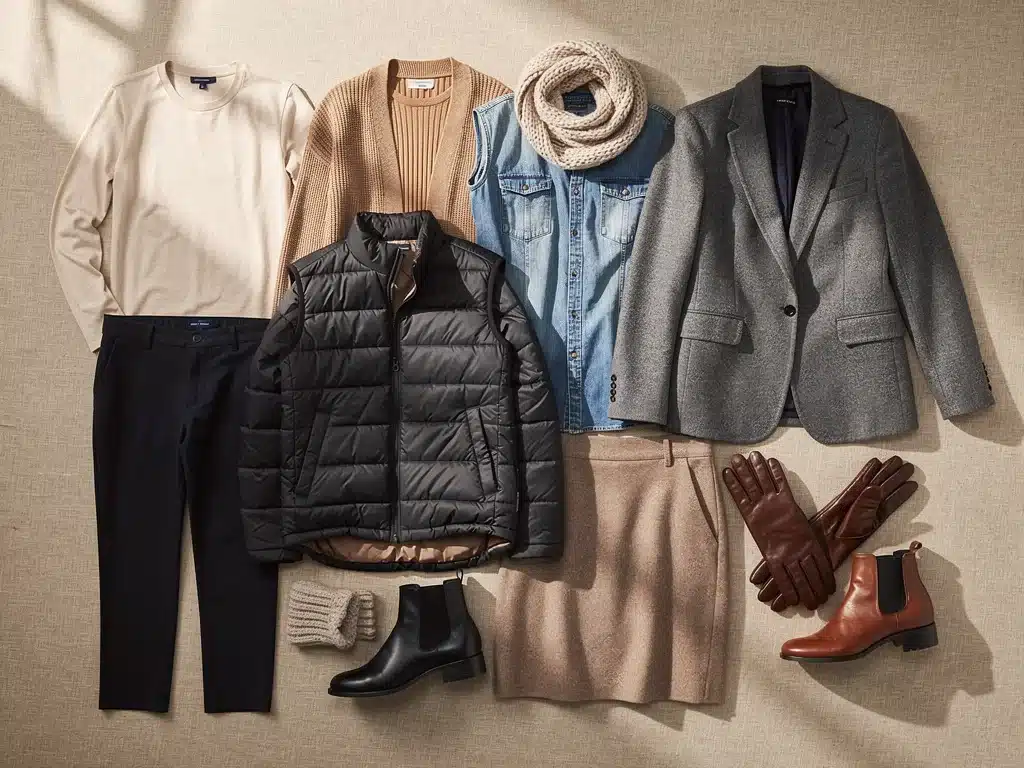
Creating a capsule wardrobe specifically for Fall to Winter Layering streamlines your dressing process and ensures you always have appropriate options. This involves selecting a limited number of high-quality, versatile pieces that can be mixed and matched.
Focus on neutral colors like black, gray, navy, and camel, which serve as excellent foundations, and then introduce a few accent colors through mid-layers or accessories. Each item should ideally serve multiple purposes and integrate seamlessly with others.
A well-curated capsule wardrobe simplifies decisions, reduces clutter, and ensures you are always prepared for the seasonal transition. It is the ultimate expression of smart Fall to Winter Layering.
Key Pieces for Your Layering Arsenal
Certain items form the backbone of an effective Fall to Winter Layering capsule. These include several base layer tops, a selection of mid-weight sweaters (both fitted and slightly oversized), and versatile outer layers.
Consider a classic trench coat or a stylish wool coat for your outerwear, along with a functional puffer jacket for colder days. Don’t forget versatile bottoms like dark wash jeans, tailored trousers, and perhaps a warm skirt with tights.
By investing in these foundational pieces, you create a robust framework for all your Fall to Winter Layering needs, ensuring adaptability and style throughout the season.
Color Palettes and Patterns in Fall to Winter Layering
While neutral colors form the backbone of a practical Fall to Winter Layering strategy, incorporating thoughtful color palettes and patterns can significantly elevate your style. Strategic use of color adds vibrancy and personality to even the most functional outfits.
Consider jewel tones like emerald green, sapphire blue, or deep burgundy to add richness, or opt for classic patterns such as plaid, houndstooth, or subtle stripes. These elements can be introduced through a mid-layer sweater, a statement scarf, or even a pair of patterned tights.
The key is to use color and pattern intentionally, ensuring they complement rather than clash with your foundational pieces, enhancing your overall Fall to Winter Layering aesthetic.
Harmonizing Hues and Motifs
When integrating colors and patterns into your Fall to Winter Layering, aim for harmony. A common approach is to choose one patterned piece and keep the rest of the outfit relatively simple, allowing the pattern to be the focal point.
Alternatively, you can opt for a monochromatic base and add pops of color through a vibrant scarf or a brightly colored bag. This creates visual interest without overwhelming the ensemble.
Experimentation is encouraged, but always with an eye towards balance and cohesion, making sure your choices enhance your Fall to Winter Layering, rather than detract from it.
Maintenance and Care for Your Layered Wardrobe
Proper maintenance of your layered garments is essential to ensure their longevity and performance throughout the fall and winter seasons. Each fabric type requires specific care to retain its shape, texture, and insulating properties.
Regular cleaning according to garment labels, appropriate storage, and timely repairs will keep your wardrobe in prime condition. This attention to detail not only preserves your investment but also ensures your clothes are always ready for effective Fall to Winter Layering.
Taking good care of your clothing extends its lifespan, reduces the need for frequent replacements, and supports a more sustainable approach to fashion. It’s a crucial, often overlooked, aspect of any successful Fall to Winter Layering strategy.
Ensuring Longevity of Your Layering Pieces
Different materials demand different care routines. Wool and cashmere often require hand washing or dry cleaning to prevent shrinkage and maintain softness. Silks need gentle handling to preserve their delicate fibers.
Storing knitwear folded rather than hung prevents stretching, while proper cleaning of outerwear extends its protective qualities. Addressing small repairs like loose buttons or minor snags promptly can prevent bigger issues down the line.
By implementing these care practices, you ensure that your essential Fall to Winter Layering pieces remain functional and fashionable for many seasons to come.
| Key Layering Aspect | Brief Description |
|---|---|
| Base Layer Selection | Focus on moisture-wicking, thin fabrics like merino wool or silk for core warmth. |
| Mid-Layer Insulation | Choose insulating materials such as cashmere or fleece for adaptable warmth. |
| Outerwear Protection | Select weather-resistant coats or jackets for defense against wind and precipitation. |
| Proportion & Texture | Balance garment volume and mix textures for visual interest and a flattering silhouette. |
Frequently Asked Questions About Fall to Winter Layering
The best fabrics for Fall to Winter Layering are natural fibers like merino wool, cashmere, and silk for their warmth, breathability, and moisture-wicking properties. High-quality synthetic thermals also perform well, offering durability and quick-drying capabilities. Combining these materials strategically ensures optimal comfort and insulation.
To avoid looking bulky, focus on thin, fitted base layers and gradually add slightly looser mid-layers. Pay attention to proportions, pairing voluminous tops with slimmer bottoms. Strategic use of belts and choosing outerwear that fits well over your layers also helps maintain a sleek silhouette when Fall to Winter Layering.
Absolutely. Many fall pieces, such as lightweight sweaters, denim shirts, and tailored blazers, can serve as excellent mid-layers in your winter wardrobe. The key is to integrate them with warmer base layers and protective outerwear to enhance insulation. This maximizes your existing wardrobe for effective Fall to Winter Layering.
A good outer layer is crucial for Fall to Winter Layering as it provides the primary defense against harsh weather conditions like wind, rain, and snow. It seals in the warmth generated by your inner layers and protects them from external moisture. Investing in a high-quality, weather-resistant coat is essential for comfort and protection.
Accessories like scarves, hats, and gloves significantly enhance Fall to Winter Layering by providing additional warmth to exposed areas and adding stylistic flair. They can introduce pops of color, texture, and pattern, transforming a functional outfit into a fashion statement. These elements are vital for both comfort and completing your look.
Looking Ahead: The Evolution of Fall to Winter Layering
The strategies for Fall to Winter Layering outlined here provide a robust framework for navigating seasonal transitions in 2026 and beyond. As fashion evolves, the core principles of smart layering—focusing on warmth, adaptability, and style—remain constant.
Expect continued innovation in sustainable fabrics and modular garment designs that further enhance the versatility of layered wardrobes. Monitoring these developments will be key for those seeking to maintain a forward-thinking and functional approach to dressing.
Ultimately, mastering Fall to Winter Layering is about empowering personal expression through informed choices, ensuring comfort and confidence regardless of the meteorological shifts.
