Savvy Shopper’s Guide: High-Quality Fashion Investments Beyond 2026
Navigating the modern market requires more than just an eye for style; it demands the intuition of a Savvy Shopper. As we look beyond 2026, building a wardrobe isn’t about chasing every trend, but about mastering the art of the strategic acquisition.
This curated guide moves past fleeting fads to focus on sartorial longevity and craftsmanship. By identifying high-value pieces, conscious consumers can secure a resilient collection of garments that prioritize durability over disposable culture.
Empower your personal style with our verified 5-point checklist designed for the mindful collector. Learn to discern true quality and invest in enduring staples that promise to elevate your aesthetic while promoting a more sustainable future.
Navigating the Evolving Fashion Landscape: Why Quality Matters More Than Ever
The fashion industry is undergoing a significant transformation, driven by consumer demand for sustainability and durability.
Fast fashion’s environmental impact and ethical concerns have pushed a reevaluation of purchasing habits, making high-quality fashion investments a central topic of discussion.
Consumers are increasingly seeking items that offer lasting value, both aesthetically and functionally, moving away from disposable trends.
This shift is not merely a trend but a fundamental change in consumer behavior, reflecting a broader awareness of environmental and economic responsibilities. Investing in fewer, better pieces reduces textile waste and supports brands committed to ethical production.
The focus is now on conscious choices that align with personal values and long-term style goals, rather than instantaneous gratification.
By 2026, the emphasis on longevity in fashion is projected to intensify, making the ability to identify genuine high-quality fashion investments an indispensable skill.
This guide serves as a critical resource, preparing shoppers to make intelligent decisions that will benefit their wardrobe, their wallet, and the planet. It’s about building a collection that transcends seasons and fads, embodying timeless elegance.
The 5-Point Checklist: Your Blueprint for High-Quality Fashion Investments
Identifying high-quality fashion investments requires a systematic approach, moving beyond brand names or perceived luxury.
Our 5-point checklist provides a clear framework for evaluating garments and accessories, ensuring every purchase contributes to a durable and valuable wardrobe. This methodology empowers shoppers to look beyond superficial appeal and assess intrinsic worth.
This checklist is designed to be universally applicable, whether you are shopping for everyday essentials or statement pieces. It distills complex aspects of fashion production into actionable steps, making it easier for anyone to become a discerning buyer.
Adhering to these points will significantly improve the longevity and satisfaction derived from your fashion acquisitions.
By integrating this checklist into your shopping routine, you can confidently navigate the vast array of fashion offerings and pinpoint items that truly represent high-quality fashion investments.
This proactive approach minimizes buyer’s remorse and maximizes the utility and aesthetic pleasure of your clothing and accessories. The goal is to build a wardrobe that serves you well for years to come.
Point 1: Material Composition and Sourcing
The foundation of any high-quality fashion investment lies in its material. Natural fibers like wool, silk, linen, and high-grade cotton typically offer superior durability, breathability, and aesthetic appeal compared to synthetic alternatives.
Understanding the properties of different fabrics is crucial for assessing how an item will wear and age.
Beyond the fiber type, consider the weave and finish, which significantly impact a fabric’s resilience and hand feel. Tightly woven fabrics, for instance, tend to be more durable and less prone to pilling.
Ethical and sustainable sourcing of these materials also adds to the overall value, reflecting a brand’s commitment to responsible practices.
When examining labels, look for clear indications of material composition and origin. Brands that are transparent about their supply chain often prioritize quality and sustainability, providing an added layer of assurance for your high-quality fashion investments.
Avoid blends with a high percentage of low-quality synthetics unless their purpose is clearly functional, such as activewear.
- Natural Fibers: Prioritize wool, silk, linen, and high-grade cotton for durability and comfort.
- Fabric Weave: Inspect for tight, consistent weaves that indicate strength and longevity.
- Ethical Sourcing: Research brands committed to sustainable and responsible material procurement.
- Transparency: Look for clear labeling of material composition and country of origin.
The material’s ability to withstand repeated wear and washing without losing its shape or integrity is a hallmark of high-quality fashion investments.
This is particularly true for outerwear and foundational pieces that form the core of a versatile wardrobe. Investing in superior materials ensures a garment remains a staple rather than a transient item.
Consider how the material feels against your skin and how it drapes. Luxurious textures and fluid drapes often signify better quality fabrics that will retain their elegance over time.
These tactile qualities contribute significantly to the overall user experience and the perceived value of the garment, making it a true investment.
Ultimately, a deep understanding of material composition empowers you to make informed decisions that extend beyond immediate aesthetics.
It’s about choosing fabrics that offer both beauty and resilience, ensuring that your high-quality fashion investments continue to serve you well season after season, upholding the principles of conscious consumption.
Point 2: Construction and Craftsmanship
The way a garment is constructed reveals much about its quality and potential lifespan. Examine the stitching: it should be even, tight, and free from loose threads or skipped stitches.
Seams should lie flat and straight, indicating careful assembly and attention to detail. Reinforced seams and stress points are particularly important for areas that experience high wear.
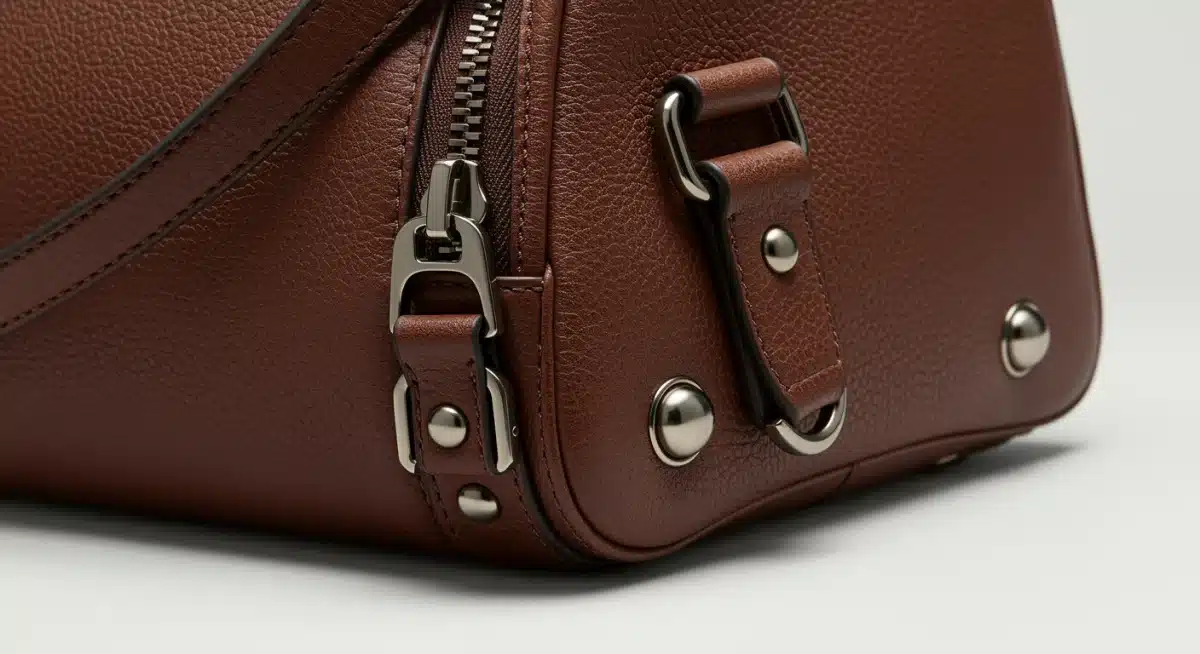
Pay close attention to details such as buttonholes, zippers, and lining. Buttonholes should be neatly finished and securely stitched, capable of withstanding frequent use.
Zippers should glide smoothly and be made of durable materials like metal, rather than flimsy plastic. A well-constructed lining, often made from natural fibers, adds to the garment’s comfort, drape, and longevity, preventing stretching and maintaining shape.
These construction elements are not merely aesthetic; they are functional indicators of a garment’s resilience.
High-quality fashion investments are characterized by meticulous craftsmanship that ensures structural integrity, allowing the item to endure the rigors of daily life and repeated cleaning without prematurely deteriorating. This level of detail signifies a product built to last.
- Stitching: Look for even, tight stitches without loose ends or inconsistencies.
- Seams: Ensure seams are flat, straight, and reinforced in high-stress areas.
- Hardware: Check for durable metal zippers, well-finished buttonholes, and sturdy buttons.
- Lining: A quality lining, often natural fiber, enhances comfort, drape, and garment lifespan.
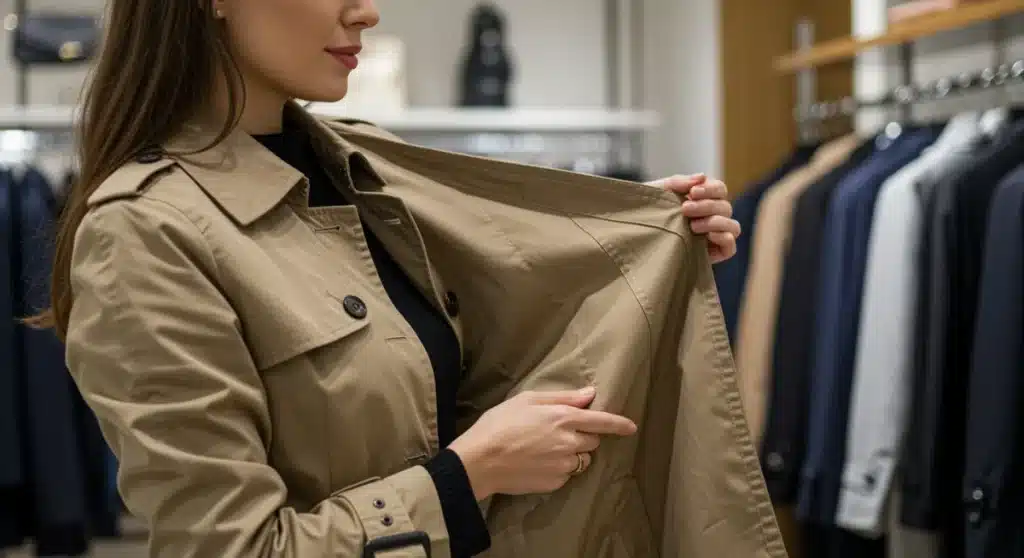
The interior of a garment often tells a more honest story about its quality than the exterior. Turn items inside out to inspect the hidden seams and finishes.
French seams or bound seams, for example, are indicators of superior craftsmanship, preventing fraying and adding to the garment’s durability. These internal details are often overlooked but are crucial for high-quality fashion investments.
Consider the garment’s overall weight and feel. While not always a direct indicator, a substantial, well-balanced weight often suggests a higher density of material and more robust construction.
Lightweight garments made from quality materials can also be durable, but a flimsy feel often points to shortcuts in production or inferior materials that will not stand the test of time.
Ultimately, investing time in a thorough physical inspection before purchase can prevent future disappointment.
This hands-on evaluation of construction and craftsmanship is a non-negotiable step for identifying high-quality fashion investments that will remain a cherished part of your wardrobe for years to come. It’s about discerning true value through tangible evidence.
Timeless Design and Versatility: Beyond Fleeting Trends
True high-quality fashion investments transcend seasonal trends, offering timeless design and exceptional versatility. Opt for classic silhouettes, neutral color palettes, and understated patterns that can be easily integrated into various outfits and occasions.
These pieces form the backbone of a functional and adaptable wardrobe, resisting obsolescence.
A garment’s ability to be dressed up or down, layered, or worn across multiple seasons significantly increases its value and utility. This versatility ensures that your investment remains relevant and frequently used, maximizing its cost-per-wear.
Think about how a potential purchase fits into your existing wardrobe and if it complements multiple items you already own.
Focusing on timeless design doesn’t mean sacrificing personal style; rather, it means choosing pieces that reflect your aesthetic while offering enduring appeal.
These items become signature elements of your wardrobe, allowing for creative expression without constantly chasing new fads. This strategic approach ensures your high-quality fashion investments contribute to a sustainable and personal style narrative.
Point 3: Design Longevity and Adaptability
Choosing items with classic cuts and simple lines ensures they won’t quickly appear dated. Trends come and go, but a well-tailored blazer, a classic trench coat, or a simple, elegant dress remains stylish regardless of the year. These foundational pieces are the essence of high-quality fashion investments.
Consider the color palette. Neutrals like black, white, navy, gray, and beige provide maximum versatility, allowing for easy mixing and matching.
While a pop of color can be fun, foundational pieces in classic hues ensure they can be worn with virtually anything in your wardrobe, extending their use and relevance.
The adaptability of a design also refers to its potential for minor alterations or styling changes.
A well-made garment can often be tailored to fit perfectly or updated with new accessories, further extending its lifespan and keeping it fresh. This foresight in purchasing directly supports the concept of high-quality fashion investments.
Invest in pieces that can transition seamlessly between different occasions and seasons. A cashmere sweater, for example, can be worn alone in milder weather or layered under a coat in colder months.
This multi-functional aspect is a key indicator of a smart purchase, contributing to a truly versatile and efficient wardrobe.
Avoid overly trendy items that have a short shelf life. While it’s tempting to embrace every new fashion craze, these pieces often lose their appeal quickly, leading to regret and unnecessary consumption.
The goal is to build a wardrobe that is resilient to the whims of fashion, focusing on items that offer consistent style, year after year.
By prioritizing design longevity and adaptability, you are making a conscious decision to invest in pieces that will serve you faithfully for a long time.
This approach not only saves money in the long run but also cultivates a more mindful relationship with your clothing, transforming your wardrobe into a collection of cherished high-quality fashion investments.
Brand Reputation and Ethical Practices: Trusting Your Source
The brand behind a garment plays a crucial role in determining its quality and ethical footprint. Reputable brands often have a long-standing commitment to quality materials, skilled craftsmanship, and fair labor practices.
Researching a brand’s history, values, and production methods can provide valuable insights into the integrity of its products and whether they align with your values for high-quality fashion investments.
Transparency in the supply chain is a strong indicator of a brand’s ethical commitment. Companies that openly share information about where their materials come from, who makes their clothes, and under what conditions, are typically more trustworthy.
This level of openness builds consumer confidence and assures that your purchase supports responsible manufacturing.
Supporting brands with strong ethical practices extends the concept of high-quality fashion investments beyond mere product durability to encompass social and environmental responsibility.
It ensures that your fashion choices contribute positively to the industry and the world, making each purchase a statement of conscious consumerism. This holistic view of quality is increasingly important.
Point 4: Brand Integrity and Production Ethics
Look for brands that are certified by independent bodies for their ethical labor practices and environmental standards.
These certifications provide an external validation of a brand’s commitment to responsible production, offering peace of mind for conscious consumers. Such brands often produce items that embody high-quality fashion investments.
Investigate how brands handle waste, water usage, and chemical processes in their manufacturing.
Companies that prioritize sustainable production methods not only reduce their environmental impact but often also produce higher quality goods, as they are more meticulous about their entire operational chain. This commitment to sustainability is a hallmark of responsible brands.
Consider a brand’s repair policies or guarantees. Brands that stand behind their products and offer repair services or extended warranties demonstrate confidence in their quality and a commitment to product longevity.
This post-purchase support reinforces the idea that you are making a genuine high-quality fashion investment.
- Certifications: Seek brands with recognized ethical and environmental certifications.
- Sustainability Efforts: Research waste, water, and chemical management in production.
- Repair Policies: Prioritize brands offering guarantees or repair services for longevity.
- Supply Chain Transparency: Support brands that openly share their production processes.
A brand’s reputation for customer service and product durability, often reflected in reviews and testimonials, can also guide your purchasing decisions.
Positive feedback from long-term customers speaks volumes about the brand’s ability to deliver consistent quality and satisfaction, making their products more likely to be high-quality fashion investments.
Be wary of brands that offer extremely low prices for seemingly complex or high-end items, as this can often be a red flag for unethical labor practices or inferior materials.
While sales and discounts are common, consistently low pricing for certain categories of goods often indicates compromises in quality or ethical standards, which detracts from the concept of high-quality fashion investments.
By carefully vetting brands based on their integrity and ethical practices, you are making choices that resonate with a broader commitment to a better fashion industry.
This conscious approach ensures that your high-quality fashion investments are not only good for your wardrobe but also align with your values, contributing to a more sustainable and equitable future.

Care Requirements and Longevity: Maximizing Your Investment
The longevity of high-quality fashion investments heavily depends on proper care. Understanding the specific care requirements of each garment and committing to follow them is essential for preserving its condition and extending its lifespan.
Neglecting care instructions can quickly diminish the value and appearance of even the finest pieces.
Consider the practicality of care instructions before making a purchase. While some luxurious materials require professional dry cleaning, others might be suitable for hand washing or delicate machine cycles.
Choose items whose care requirements align with your lifestyle and willingness to maintain them, ensuring your high-quality fashion investments remain pristine.
Investing in appropriate care products, such as gentle detergents, garment brushes, and proper storage solutions, is an extension of the initial fashion investment.
These practices protect fabrics from damage, prevent premature wear, and keep your clothes looking new for longer. Thoughtful care is paramount for maximizing the return on your high-quality fashion investments.
Point 5: Maintenance and Durability Factors
Always read and adhere to the care label instructions. These labels provide specific guidance on washing temperature, drying methods, and ironing, which are crucial for maintaining the fabric’s integrity and shape.
Ignoring these instructions can lead to shrinkage, stretching, or damage, prematurely ending the life of your high-quality fashion investments.
Consider investing in a good quality garment steamer instead of relying solely on ironing, especially for delicate fabrics.
Steaming can refresh clothes, remove wrinkles, and sanitize without the harsh heat and pressure that ironing sometimes applies, thus preserving the fabric’s fibers. This gentle approach is ideal for extending the life of your valuable pieces.
Proper storage is another critical aspect of garment longevity. Store clothes in a cool, dry place, away from direct sunlight, and use appropriate hangers that support the garment’s shape.
For knitwear, folding is often preferable to hanging to prevent stretching. These simple habits significantly contribute to the preservation of your high-quality fashion investments.
- Follow Care Labels: Adhere strictly to washing, drying, and ironing instructions.
- Gentle Cleaning: Use steamers or professional cleaning for delicate fabrics.
- Proper Storage: Store clothes in cool, dry places, using appropriate hangers or folding.
- Repair Promptly: Address minor damages like loose buttons or small tears immediately.
Regular maintenance, such as promptly addressing minor repairs like loose buttons or small tears, can prevent them from escalating into larger, unfixable issues.
Learning basic mending skills or finding a reliable tailor can significantly extend the life of your high-quality fashion investments, proving that a little effort goes a long way.
Rotate your wardrobe to avoid excessive wear on individual items. Giving garments a rest between wears allows fibers to recover and reduces the accumulation of dirt and sweat, which can degrade fabric over time.
This practice is particularly beneficial for high-quality fashion investments, ensuring they maintain their pristine condition for longer.
Ultimately, the longevity of your high-quality fashion investments is a shared responsibility between the manufacturer and you, the consumer.
By diligently following care instructions and adopting mindful maintenance habits, you can ensure that your cherished garments continue to look their best and serve you for many years, truly embodying the spirit of sustainable fashion.
| Key Point | Brief Description |
|---|---|
| Material Quality | Prioritize natural fibers and transparent sourcing for durability. |
| Construction | Inspect stitching, seams, and hardware for meticulous craftsmanship. |
| Design Longevity | Choose timeless, versatile styles over fleeting trends. |
| Ethical Brands | Support transparent brands with ethical production and repair policies. |
Frequently Asked Questions About High-Quality Fashion Investments
High-quality fashion investments are crucial due to increasing awareness of sustainability and the environmental impact of fast fashion. Consumers are seeking durable, ethically produced items that offer lasting value, reducing waste and promoting responsible consumption. This shift reflects a broader commitment to mindful purchasing decisions.
To identify quality materials, prioritize natural fibers like wool, silk, linen, and high-grade cotton. Examine the fabric’s weave for tightness and consistency, and check for transparency in material sourcing. Avoid blends with high percentages of low-quality synthetics, as these often compromise durability and feel.
Quality construction is evidenced by even, tight stitching, flat seams, and reinforced stress points. Durable hardware, such as metal zippers and well-finished buttonholes, also indicates superior craftsmanship. A quality lining, often natural fiber, enhances comfort and the garment’s overall structural integrity and lifespan.
Timeless designs contribute to high-quality fashion investments by transcending fleeting trends. Classic silhouettes, neutral colors, and versatile pieces ensure longevity and adaptability within your wardrobe. These items remain stylish and relevant across seasons and years, maximizing their cost-per-wear and reducing the need for constant replacements.
Brand reputation is vital as it often reflects a commitment to quality materials, craftsmanship, and ethical practices. Transparent brands with certifications and good customer reviews typically offer reliable products. Supporting such brands ensures your high-quality fashion investments align with responsible manufacturing and provide lasting satisfaction.
Looking Ahead: The Future of Fashion Investments
The landscape of fashion consumption is undeniably shifting towards a more discerning and responsible approach. The emphasis on Savvy Shopper will only grow, as consumers increasingly prioritize longevity, ethical production, and timeless style over transient trends.
This evolution is driven by both environmental concerns and a desire for greater value.
What this means for the industry is a continued move away from fast fashion models towards brands that champion transparency, durability, and sustainable practices.
For shoppers, it signals an era where informed decisions become paramount, transforming every purchase into a strategic investment in personal style and global well-being. The future of fashion lies in thoughtful acquisition and conscientious care.
As we move beyond 2026, the principles outlined in this guide will remain foundational for any savvy shopper. Monitoring emerging technologies in sustainable materials and production, along with evolving brand commitments to ethical supply chains, will be crucial.
This proactive engagement ensures that your wardrobe not only reflects your style but also your values, making every piece a true high-quality fashion investment.
