Shein’s 2026 Sustainable Fabric Policy: New Arrivals Impact
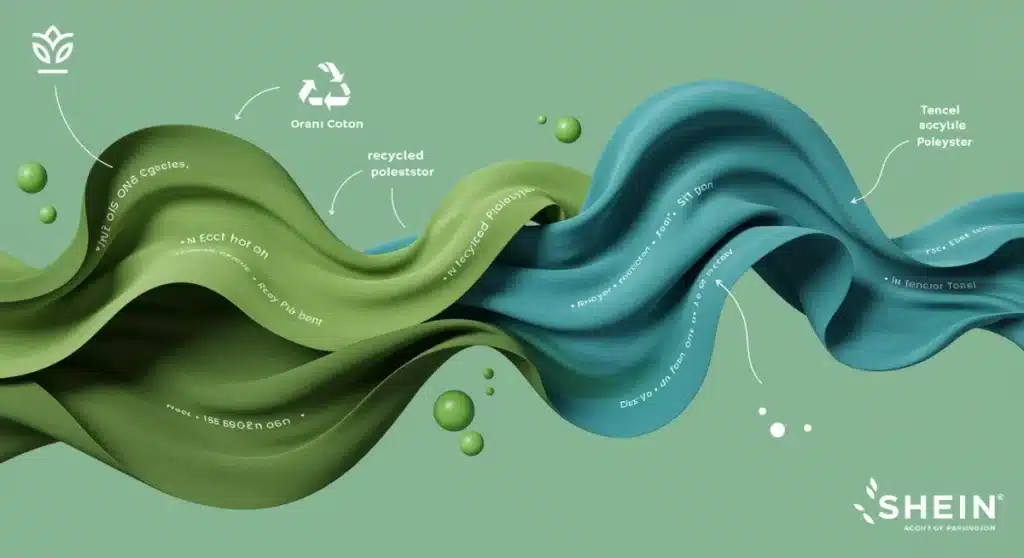
Shein’s 2026 policy shift on sustainable fabrics signifies a crucial pivot towards eco-conscious production, directly influencing future new arrivals and reshaping consumer expectations within the fast fashion landscape.
The landscape of fast fashion is undergoing a monumental transformation, and the Recent Updates in Shein New Arrivals: The 2026 Policy Shift on Sustainable Fabrics – What It Means for Your Shopping (RECENT UPDATES) stands as a pivotal moment. This isn’t just another fleeting trend; it’s a strategic realignment by one of the industry’s giants, promising to reshape how we perceive and consume fashion. As consumers, understanding these changes is crucial for making informed choices that align with our values and the evolving global commitment to sustainability.
Understanding Shein’s Sustainability Journey and the 2026 Mandate
Shein, often recognized for its rapid trend adoption and accessible pricing, has been at the center of discussions regarding fast fashion’s environmental footprint. The announcement of its 2026 policy shift on sustainable fabrics represents a significant commitment, aiming to address these concerns head-on. This mandate isn’t a sudden decision but rather the culmination of growing pressures from consumers, regulators, and a broader industry push towards more responsible practices.
The policy outlines a clear roadmap for integrating a higher percentage of certified sustainable materials into its vast product range. This includes everything from the initial design phase to procurement and manufacturing, indicating a systemic overhaul rather than superficial changes. It’s an ambitious target that requires extensive collaboration across its supply chain and a re-evaluation of its operational model.
The Evolution of Shein’s Environmental Pledge
Shein’s journey towards sustainability has been incremental, with earlier initiatives focusing on waste reduction and limited eco-collections. However, the 2026 policy marks a definitive turning point, setting clear, measurable goals for fabric composition.
- Early Initiatives: Initial steps included small-scale collections using recycled materials and efforts to optimize packaging.
- Increased Transparency: A push for greater visibility into their supply chain, though still a work in progress, has been a key demand.
- Future Targets: The 2026 policy establishes concrete targets for the percentage of sustainable fibers in new garments.
Driving Forces Behind the Shift
Several factors have converged to propel Shein towards this significant policy change. Consumer demand for ethical and environmentally friendly products has surged, especially among younger demographics. Regulatory bodies worldwide are also tightening environmental standards for textile production, making sustainable practices not just an option but a necessity for global brands.
Furthermore, internal assessments and a desire to future-proof their business model against resource scarcity and reputation risks have played a role. The competitive landscape itself is shifting, with many brands already making strides in sustainability, prompting Shein to accelerate its own efforts to remain relevant and competitive.
In essence, Shein’s 2026 policy is a direct response to a complex interplay of market demands, regulatory pressures, and an internal recognition of the need for change. It signals a move towards integrating sustainability into the core of its business strategy, potentially redefining its position within the fast fashion ecosystem.
Defining Sustainable Fabrics: What the Policy Encompasses
When Shein refers to ‘sustainable fabrics’ in its 2026 policy, it’s not a singular definition but rather an umbrella term covering a range of environmentally preferable materials. This typically includes fibers that are either recycled, organically grown, or produced using processes that significantly reduce environmental impact compared to conventional methods. The policy aims to increase the adoption of these materials across its product lines, moving away from a sole reliance on virgin synthetic fibers and conventionally grown cotton.
The shift necessitates a deep dive into material science and supply chain innovation. It means partnering with suppliers who can provide certified sustainable options and investing in research and development for new eco-friendly textiles. For consumers, this translates to new arrivals potentially featuring garments made from these advanced, more responsible materials.
Key Categories of Sustainable Fabrics
The policy is expected to prioritize several categories of fabrics known for their reduced environmental footprint. These materials address various aspects of sustainability, from water usage to chemical reduction and waste diversion.
- Recycled Materials: This primarily includes recycled polyester (rPET) made from plastic bottles and recycled cotton, which reduces textile waste.
- Organic Fibers: Organic cotton, grown without harmful pesticides and synthetic fertilizers, is a significant component.
- Cellulosic Fibers: Materials like Tencel (Lyocell) and Modal, derived from sustainably managed wood sources, known for their closed-loop production processes.
- Innovative Materials: Exploration of emerging sustainable textiles, such as those made from agricultural waste or bio-based polymers.
Certifications and Standards
To ensure credibility and transparency, Shein’s policy will likely rely on established certifications for its sustainable fabrics. These certifications provide independent verification that materials meet specific environmental and social criteria. For example, the Global Organic Textile Standard (GOTS) for organic fibers, the Global Recycled Standard (GRS) for recycled content, and certifications from the Forest Stewardship Council (FSC) for wood-based fibers are crucial.
The integration of these certified materials is not merely about sourcing; it’s about building a robust system that tracks and verifies the origin and processing of fabrics throughout the supply chain. This commitment to certified materials is vital for consumers to trust the ‘sustainable’ claims associated with new Shein arrivals.
Ultimately, Shein’s definition of sustainable fabrics under the 2026 policy is comprehensive, encompassing a diverse array of materials designed to minimize environmental impact. This move is poised to significantly alter the material composition of their collections, offering consumers more environmentally conscious choices.
Impact on New Arrivals: What You’ll See on Shein’s Website
The most tangible outcome of Shein’s 2026 policy shift on sustainable fabrics will be evident in its new arrivals. Shoppers can anticipate a noticeable increase in garments labeled with eco-friendly indicators, signaling the presence of sustainable materials. This won’t be an overnight transformation, but a gradual integration, where collections will feature a growing proportion of items made from recycled, organic, or other certified sustainable fibers. The visual aesthetic of these items might not drastically change, but their material composition will reflect a new era of conscious production.
Expect to see dedicated sections or filters on the Shein website highlighting these sustainable collections, making it easier for environmentally conscious consumers to identify and purchase these items. This move is not just about product offerings but also about enhancing the shopping experience for a growing segment of the market that prioritizes sustainability.
Design and Aesthetic Considerations
The integration of sustainable fabrics doesn’t mean a compromise on style or trendiness. Modern sustainable materials have advanced significantly, offering comparable drape, texture, and durability to their conventional counterparts. Designers are increasingly adept at working with these materials to create fashionable pieces.
- Maintaining Trend Relevance: Shein’s core strength lies in its ability to quickly translate trends. The challenge and opportunity will be to do so with sustainable materials.
- Material Innovation: Expect to see innovative uses of sustainable fabrics, potentially leading to new textures or finishes in garments.
- Color and Print Versatility: Sustainable dyeing processes are also improving, ensuring that vibrant colors and intricate prints remain a staple of Shein’s offerings.
Pricing and Accessibility
A key concern for many consumers is whether sustainable fashion will remain affordable. While sustainable materials can sometimes incur higher production costs, Shein’s business model, focused on efficiency and scale, may help mitigate significant price increases. The goal is likely to make sustainable fashion accessible to a broad audience, aligning with their existing value proposition.
Initial sustainable collections might see a slight premium, but as the policy becomes more integrated and economies of scale kick in, prices are expected to become more competitive. This accessibility is crucial for driving widespread adoption of sustainable fashion choices among Shein’s vast customer base.
The changes to Shein’s new arrivals will be multifaceted, touching upon material composition, design, and potentially pricing. It represents a significant step towards demystifying sustainable fashion and making it a more mainstream option for everyday shoppers.
What This Means for Your Shopping Habits and Choices
The 2026 policy shift by Shein has direct implications for how you, as a consumer, approach your shopping. It presents an opportunity to align your fashion choices more closely with environmental values without necessarily abandoning the convenience and affordability that platforms like Shein offer. This shift encourages a more mindful approach to consumption, prompting questions about material origins, product lifecycles, and the broader impact of your purchases.
You’ll find yourself with more options for sustainable clothing, making it easier to opt for garments with a reduced environmental footprint. This doesn’t mean an instant overhaul of your wardrobe, but rather a gradual integration of more sustainable pieces as new arrivals become available.
Navigating Sustainable Options
With an increased focus on sustainable fabrics, Shein will likely introduce clearer labeling and categorization for these items. This will empower you to make informed decisions effortlessly.
- Look for Labels: Pay attention to product descriptions and any new sustainability badges or certifications.
- Utilize Filters: Shein’s platform might introduce new filters allowing you to specifically search for sustainable materials.
- Educate Yourself: A basic understanding of different sustainable fabrics (e.g., organic cotton, recycled polyester) will help you make better choices.
Considering the Broader Picture of Fast Fashion
While Shein’s move is a positive step, it’s also important to consider the broader context of fast fashion. Sustainable fabrics are one piece of a larger puzzle that includes ethical labor practices, waste reduction, and promoting garment longevity. This policy encourages a more holistic view of sustainability.
Your shopping habits can evolve beyond just choosing sustainable materials to also consider the quantity of items purchased, their usage, and proper disposal or recycling. The policy provides a starting point for more responsible consumption, but personal choices in how we interact with fashion remain paramount.
Ultimately, Shein’s 2026 policy empowers consumers with more sustainable choices, fostering a more conscious approach to fashion shopping. It’s an invitation to explore new options and consider the environmental narrative behind each garment.
Challenges and Opportunities for Shein’s Sustainable Future
Implementing a comprehensive sustainable fabrics policy for a global giant like Shein is fraught with challenges, yet it also opens up significant opportunities. The sheer scale of its operations means that even small changes can have a massive environmental impact, but conversely, integrating sustainable practices across such a vast network requires immense logistical and financial investment. The journey towards a truly sustainable future for Shein will be complex, demanding continuous innovation and adaptability.
One of the primary challenges lies in securing a consistent and scalable supply of certified sustainable fabrics. The demand for these materials is growing across the entire fashion industry, and ensuring quality and ethical sourcing will be critical. However, by committing to this path, Shein has the opportunity to become a leader in accessible sustainable fashion, potentially setting new industry benchmarks.
Overcoming Supply Chain Complexities
Shein’s extensive global supply chain, while efficient for rapid production, presents unique hurdles for sustainability. Tracing materials from source to final product, ensuring ethical labor, and verifying environmental claims requires robust systems and transparency.
- Supplier Engagement: Collaborating closely with existing and new suppliers to meet sustainable fabric quotas and standards.
- Verification Processes: Implementing stricter auditing and certification processes to ensure the integrity of sustainable claims.
- Logistical Adjustments: Adapting manufacturing and distribution networks to handle new material types and potentially different production timelines.
Market Perception and Consumer Trust
Despite the policy shift, Shein faces the challenge of altering its public perception, which has often been associated with unsustainable practices. Building consumer trust in its sustainability claims will be crucial for the success of this initiative.
This presents a significant opportunity to redefine its brand image. By genuinely embracing sustainability and communicating its efforts transparently, Shein can attract new demographics and strengthen loyalty among existing customers who value ethical consumption. The 2026 policy can be a cornerstone of this rebranding effort, positioning Shein as a forward-thinking player in the fashion industry.
The path ahead for Shein’s sustainable future is a blend of significant challenges and promising opportunities. Its ability to navigate these complexities will determine not only the success of its 2026 policy but also its long-term viability and influence in the global fashion market.
Beyond Fabrics: A Holistic View of Shein’s Sustainability Efforts
While Shein’s 2026 policy shift on sustainable fabrics is a monumental step, it’s important to recognize that true sustainability in fashion extends far beyond the materials used. A holistic approach encompasses every stage of a garment’s lifecycle, from design and production to consumer use and eventual disposal. Shein’s broader sustainability efforts are beginning to reflect this comprehensive understanding, aiming for reductions in waste, water, and energy across its entire operation. This includes exploring more efficient manufacturing processes, investing in renewable energy, and developing programs for textile recycling and upcycling.
The policy on sustainable fabrics acts as a critical foundation, but it’s part of a larger, evolving strategy to minimize environmental impact and promote more ethical practices throughout its vast ecosystem. For consumers, this means that while the focus is on materials, the underlying changes are much more systemic and far-reaching.
Waste Reduction and Circularity
One of the most significant environmental impacts of fast fashion is textile waste. Shein is exploring strategies to address this, moving towards a more circular economy model where materials are reused and recycled rather than discarded.
- Production Waste: Optimizing cutting processes and utilizing fabric scraps to minimize waste at the manufacturing stage.
- Post-Consumer Recycling: Investigating partnerships and technologies for collecting and recycling used garments.
- Product Longevity: While challenging for fast fashion, there’s a growing emphasis on designing for durability and encouraging extended product life.
Ethical Labor and Social Responsibility
Sustainability is not solely environmental; it also encompasses social responsibility. Shein’s broader efforts include initiatives to improve working conditions and ensure fair wages across its supply chain. This involves rigorous auditing of factories and adherence to international labor standards.
While often scrutinized, a genuine commitment to social responsibility is integral to any credible sustainability strategy. As Shein progresses with its fabric policy, parallel efforts in ethical labor practices will be crucial for building a truly responsible brand image and fostering consumer trust.
The 2026 sustainable fabrics policy is a vital component of Shein’s expanding commitment to sustainability. It underscores a recognition that environmental responsibility requires a multi-faceted approach, moving beyond just materials to encompass waste, energy, and social welfare across its entire value chain.
The Future of Fast Fashion: Shein’s Role in a Changing Industry
Shein’s 2026 policy shift on sustainable fabrics is not just a change for the company itself but a potential harbinger for the future direction of fast fashion. As one of the most influential players in the global market, its move towards greater sustainability could compel other fast fashion retailers to accelerate their own environmental initiatives. This policy demonstrates that even high-volume, trend-driven businesses are recognizing the imperative to adapt to evolving consumer expectations and regulatory landscapes. It suggests a future where sustainability is no longer a niche concern but an integrated aspect of mainstream fashion production.
The industry is at a crossroads, and Shein’s decision could either be an isolated effort or a catalyst for widespread transformation. The success of its implementation will be closely watched, potentially influencing investment in sustainable technologies and supply chain innovations across the sector. For consumers, this signifies a potential shift towards a more responsible, yet still accessible, fashion market.
Setting New Industry Standards
By committing to specific targets for sustainable fabrics, Shein is effectively raising the bar for its competitors. This could lead to a ripple effect, where other fast fashion brands may follow suit to avoid losing market share to more sustainable options. The collective impact of such shifts could be transformative for the environmental footprint of the entire fashion industry.
- Competitive Pressure: Other fast fashion brands may follow suit to avoid losing market share to more sustainable options.
- Innovation Drive: Increased demand for sustainable materials can spur innovation in textile manufacturing and recycling technologies.
- Consumer Education: The widespread adoption of sustainable practices by major brands can further educate consumers on responsible fashion choices.
Balancing Speed and Sustainability
The core challenge for Shein and the fast fashion industry remains balancing rapid trend cycles with sustainable production. The 2026 policy is a step towards proving that these two concepts are not mutually exclusive. It highlights the potential for innovation to create more efficient, less wasteful production models that can still deliver new styles quickly.
The long-term success of Shein’s policy will depend on its ability to integrate sustainability seamlessly into its core business model without compromising its market differentiation of speed and affordability. This ongoing evolution will define its role in shaping the future of fast fashion, proving that profitability and planetary responsibility can coexist.
Ultimately, Shein’s 2026 policy on sustainable fabrics is a critical development that could reshape the trajectory of fast fashion. Its success has the potential to inspire widespread change, fostering an industry that is both trend-conscious and environmentally responsible.
| Key Policy Aspect | Brief Description |
|---|---|
| 2026 Policy Shift | Shein’s commitment to significantly increase the use of certified sustainable fabrics in new arrivals by 2026. |
| Sustainable Fabric Focus | Prioritizing recycled, organic, and cellulosic fibers with reduced environmental impact, supported by certifications. |
| Impact on New Arrivals | Expect more eco-friendly labeled garments, clear website filters, and potentially slight price adjustments for sustainable items. |
| Broader Sustainability | The fabric policy is part of larger efforts including waste reduction, circularity, and improved labor practices across the supply chain. |
Frequently Asked Questions About Shein’s 2026 Sustainable Fabrics Policy
Shein’s 2026 policy is a commitment to significantly increase the integration of certified sustainable fabrics, such as recycled polyester, organic cotton, and Tencel, into its new arrivals. This aims to reduce the environmental footprint of its products and align with global sustainability trends in the fashion industry.
While sustainable materials can sometimes have higher production costs, Shein’s large-scale operations may help mitigate significant price increases. There might be a slight premium on some initial sustainable collections, but the goal is to keep eco-friendly fashion accessible to its broad customer base.
The policy focuses on materials like recycled polyester (rPET) from plastic bottles, organic cotton grown without harmful chemicals, and cellulosic fibers such as Tencel and Modal, known for their eco-friendly production processes and responsible sourcing.
Shein is expected to introduce clearer labeling, dedicated sections, or specific filters on its website to help shoppers easily identify garments made with sustainable fabrics. Look for new eco-friendly badges or detailed material descriptions in product listings.
While the 2026 policy specifically targets fabrics, Shein’s broader sustainability efforts also encompass social responsibility, including initiatives to improve working conditions and ensure fair wages across its supply chain. These are parallel efforts crucial for a holistic approach to sustainability.
Conclusion
The Recent Updates in Shein New Arrivals: The 2026 Policy Shift on Sustainable Fabrics – What It Means for Your Shopping (RECENT UPDATES) marks a pivotal moment for both the brand and the wider fast fashion industry. This commitment to integrating sustainable materials is a clear signal that environmental responsibility is becoming an undeniable imperative, even for high-volume retailers. For consumers, this translates into more conscious choices, empowering them to support a more sustainable future with every purchase. While challenges remain in fully transforming such a vast operation, Shein’s policy is a significant step forward, promising to reshape new arrivals and influence the industry towards a more eco-conscious path, ultimately benefiting both planet and consumer alike.
