Shein’s New Arrivals: Save 15% on Spring 2026 Must-Haves
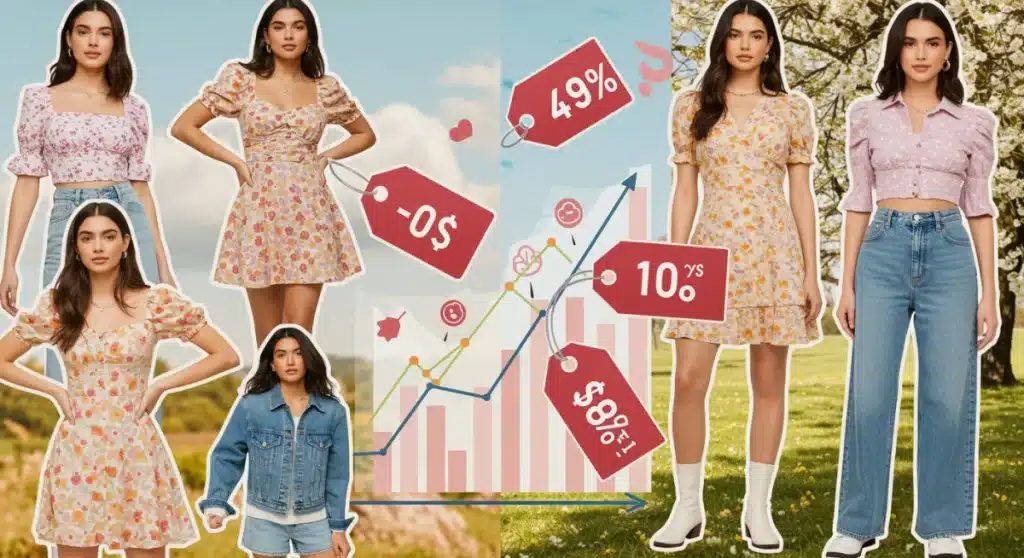
Shein’s Spring 2026 new arrivals present a significant financial opportunity for savvy shoppers, allowing consumers to acquire the latest trends and save up to 15% on must-have styles through strategic purchasing decisions.
Understanding Shein New Arrivals Financial Impact is essential for anyone looking to stay fashionable without breaking the bank. As Spring 2026 collections roll out, the opportunity to refresh your wardrobe with trendy pieces and save up to 15% on must-have styles becomes a compelling prospect. How can you leverage these new arrivals to make smart financial decisions?
Decoding Shein’s Pricing Strategy for New Arrivals
Shein has revolutionized the fast-fashion industry with its aggressive pricing and rapid production cycles. Their consistent influx of new arrivals keeps consumers engaged, but it’s their pricing strategy that truly stands out, particularly with seasonal drops like Spring 2026. This approach allows them to dominate the market by making fashion accessible to a broader audience.
The financial impact of Shein’s new arrivals extends beyond just low prices; it’s about perceived value and the sheer volume of choices available. Consumers can often find similar styles to high-end brands at a fraction of the cost, making it an attractive option for budget-conscious fashionistas.
The “Test and Reorder” Model
Shein’s unique “test and reorder” model plays a crucial role in its pricing. They produce small batches of thousands of new items daily, gauge consumer interest, and then scale production for popular items. This minimizes waste and allows them to offer competitive prices.
- Rapid Trend Adaptation: Shein quickly translates runway trends into affordable garments.
- Data-Driven Production: AI algorithms predict demand, optimizing inventory and reducing costs.
- Supplier Network: A vast network of agile suppliers ensures quick turnaround and low manufacturing expenses.
This efficiency translates directly into savings for the consumer, especially during peak seasons like spring when demand for fresh styles is high. Understanding this model helps shoppers appreciate how Shein maintains its competitive edge.
Promotions and Discounts on Launch
Upon the launch of new collections, Shein frequently introduces a variety of promotions. These can range from percentage-based discounts to flash sales and bundle deals. These incentives are designed to encourage immediate purchases, capitalizing on the excitement surrounding fresh trends. Savvy shoppers track these promotions closely.
For Spring 2026, anticipate similar strategies, offering significant savings on initial purchases. By staying informed about these launch-day deals, consumers can maximize their budget and acquire more items for less. This initial window is often the best time to buy.
In conclusion, Shein’s pricing strategy for new arrivals is a complex but highly effective system driven by rapid trend adaptation, data-driven production, and a robust supplier network. This model allows them to offer frequent discounts and promotions, creating a significant financial advantage for consumers looking to update their wardrobes economically.
Maximizing Savings: Strategies for Smart Shopping at Shein
Navigating Shein’s extensive catalog to find the best deals requires a strategic approach. With new arrivals constantly hitting the site, understanding how to maximize your savings can significantly reduce your overall spending. It’s not just about finding the cheapest item, but about getting the most value for your money.
Smart shopping at Shein involves a combination of timing, coupon utilization, and understanding their loyalty programs. These elements, when combined, can lead to substantial discounts, sometimes exceeding the advertised 15% on new collections.
Leveraging Coupon Codes and Promotions
Coupon codes are a cornerstone of saving money at Shein. They are frequently released through various channels and can apply to specific categories, order totals, or even individual items. Always search for active codes before completing your purchase.
- First-Time Buyer Discounts: New users often receive significant welcome discounts.
- Influencer Codes: Many social media influencers partner with Shein, offering exclusive codes.
- App-Exclusive Deals: The Shein app frequently features unique promotions not available on the website.
Combining these codes with existing sales can lead to impressive savings. It’s crucial to check the terms and conditions of each coupon to ensure it applies to your desired items, especially new arrivals.
Understanding Shein’s Loyalty Programs and Points
Shein has a robust loyalty program that rewards frequent shoppers with points. These points can be accumulated through purchases, reviews, daily check-ins, and participating in various activities on the platform. Accumulated points can then be converted into discounts on future orders.
For Spring 2026 new arrivals, actively engaging with the loyalty program can yield extra savings. For instance, leaving detailed reviews on past purchases can quickly add up points, which can then be applied to your new season haul. This system encourages continuous engagement and provides a tangible benefit to loyal customers.
In summary, maximizing savings on Shein’s new arrivals requires diligence in hunting for coupon codes, understanding their application, and actively participating in the loyalty program. By consistently employing these strategies, shoppers can significantly reduce the financial impact of updating their wardrobe with the latest trends.
The Influence of Fast Fashion Cycles on Consumer Spending Habits
The relentless pace of fast fashion, exemplified by brands like Shein, profoundly impacts how consumers spend their money. The constant availability of new styles at low prices encourages more frequent purchases, shifting consumer behavior from seasonal shopping to continuous acquisition. This phenomenon has significant financial implications for individuals and the broader economy.
Consumers are often enticed by the idea of staying current with trends without a large upfront investment. However, the cumulative effect of many small purchases can sometimes exceed the cost of more durable, higher-quality items. This cycle also raises questions about sustainability and conscious consumption.
Impulse Buying and Trend Obsession
The rapid introduction of new arrivals fuels impulse buying. The perceived urgency to acquire the latest trend before it sells out, combined with low price points, often overrides rational purchasing decisions. This can lead to buyers accumulating items they may wear only a few times.
- FOMO (Fear Of Missing Out): The constant rotation of inventory creates a sense of scarcity.
- Social Media Influence: Trends spread rapidly, pressuring consumers to keep up.
- Low Price Barrier: The affordability of items makes it easier to justify spontaneous purchases.
This trend obsession, while satisfying immediate desires, can subtly erode personal budgets over time. It’s a delicate balance between enjoying fashion and maintaining financial discipline.
Budgeting for Trendy Wardrobe Updates
To mitigate the financial impact of fast fashion, effective budgeting is paramount. Instead of unrestricted spending, setting a dedicated budget for trendy items can help manage expenses. This approach allows consumers to enjoy new arrivals responsibly.
Consider creating a monthly or quarterly fashion budget specifically for Shein’s new drops. Prioritize items that genuinely enhance your existing wardrobe or fill a specific need. This conscious approach helps avoid overspending while still allowing for trend participation. Thinking about the long-term wearability of an item, even a trendy one, can also guide purchasing decisions.
Ultimately, fast fashion cycles significantly influence consumer spending, often promoting impulse buys and continuous acquisition. However, by understanding these dynamics and implementing smart budgeting strategies, individuals can navigate the world of new arrivals responsibly, enjoying fashion without compromising their financial well-being.
Spring 2026 Must-Have Styles and Their Value Proposition
As we look towards Spring 2026, Shein’s new arrivals will undoubtedly feature a curated selection of must-have styles, reflecting upcoming fashion trends. Understanding the value proposition of these items is key to making financially sound decisions while staying on-trend. It’s about identifying pieces that offer both style and longevity, even within a fast-fashion context.
The value proposition isn’t solely about the price tag; it encompasses versatility, quality relative to cost, and how well an item integrates into an existing wardrobe. For Spring 2026, expect a blend of classic spring elements with contemporary twists.
Key Spring 2026 Fashion Trends
Anticipated trends for Spring 2026 include a resurgence of pastel hues, lightweight fabrics like linen and cotton, and playful floral prints. Silhouettes are expected to lean towards relaxed fits, wide-leg trousers, and elevated casual wear. Accessories will feature delicate jewelry and structured mini-bags.
- Pastel Power: Soft pinks, blues, and greens dominating dresses and separates.
- Linen Lovelies: Breathable fabrics for comfortable yet chic ensembles.
- Floral Fantasies: Bold and subtle floral patterns on everything from skirts to blouses.
Shein’s ability to quickly replicate these trends means consumers can access them almost immediately after they appear on runways, often at highly competitive prices. This rapid availability is a core part of their value offering.
Assessing Quality and Longevity
While Shein is known for affordability, it’s crucial to assess the quality of new arrivals to determine their true value. Focus on items with decent stitching, appropriate fabric choices for the design, and reviews that attest to their durability. A low-priced item that falls apart after one wash offers little value.
Consider how many times you realistically expect to wear a trendy item. Investing in slightly better quality for foundational pieces, even from Shein, can extend their lifespan and provide more wears per dollar. Reading customer reviews and scrutinizing product photos for fabric details are essential steps in this assessment.
Ultimately, the Spring 2026 must-have styles from Shein offer an attractive value proposition for trend-conscious shoppers. By focusing on key trends and carefully assessing quality, consumers can build a stylish and economical wardrobe for the season.
The Economic Ripple Effect of Shein’s Dominance
Shein’s meteoric rise has created significant economic ripple effects, influencing not just consumer spending but also the broader retail landscape and even global supply chains. Its business model challenges traditional fashion paradigms, forcing competitors to adapt or risk being left behind. This dominance has both positive and negative financial implications.
From stimulating demand for raw materials to impacting local retail economies, Shein’s presence is undeniable. Understanding these wider economic impacts provides a more comprehensive view of the brand’s influence beyond individual purchases.
Impact on Traditional Retailers
Traditional brick-and-mortar and even other online retailers face immense pressure from Shein’s ultra-low prices and rapid trend cycles. Many struggle to compete on speed and cost, leading to shifts in their own strategies, including adopting faster production methods or focusing on niche markets and sustainability.
- Price Competition: Forces other retailers to lower prices or offer more value.
- Supply Chain Adaptation: Encourages faster, more flexible manufacturing practices.
- Market Share Erosion: Shein captures a significant portion of the fast-fashion market.
This competitive pressure can lead to job losses in some sectors but also innovation in others, as companies seek new ways to differentiate themselves in a Shein-dominated market.
Global Supply Chain Dynamics
Shein’s model relies on a highly efficient and flexible global supply chain, primarily centered in China. This has strengthened certain manufacturing hubs but also raised concerns about labor practices and environmental impact. The demand generated by Shein influences the production of textiles, dyes, and various components worldwide.
The scale of Shein’s operations means that changes in their purchasing patterns or production requirements can have significant downstream effects on suppliers and logistics companies. This centralized, yet highly distributed, supply chain is a key factor in their ability to deliver new items so quickly and affordably.
In conclusion, Shein’s dominance has far-reaching economic ripple effects, reshaping traditional retail, influencing consumer expectations, and impacting global supply chains. Its model represents a powerful force that continues to redefine the fashion industry’s economic landscape.
Sustainable Choices Amidst Fast Fashion’s Allure
Navigating the allure of fast fashion, particularly with brands like Shein, while striving for sustainable choices presents a significant challenge for today’s conscious consumer. The financial appeal of low-priced new arrivals is undeniable, but the environmental and ethical costs are increasingly scrutinized. Finding a balance between affordability, trend participation, and responsible consumption is a key consideration for many.
Making sustainable choices doesn’t necessarily mean abandoning fast fashion entirely, but rather adopting more thoughtful purchasing habits and exploring alternatives. It’s about being an informed consumer who understands the broader implications of their fashion choices.
Conscious Consumption and Financial Planning
Adopting conscious consumption habits can lead to long-term financial benefits. Instead of frequent, small purchases of disposable items, investing in fewer, more versatile pieces, even from affordable brands, can create a more sustainable and cost-effective wardrobe. This approach encourages a deeper consideration of each purchase.
- Wardrobe Audits: Regularly assess what you own to avoid redundant purchases.
- Cost-Per-Wear Analysis: Consider how many times you’ll wear an item relative to its price.
- Mindful Shopping Lists: Plan purchases to fill genuine gaps in your wardrobe.
These practices not only save money over time but also reduce textile waste and lessen the environmental footprint associated with constant production and disposal.
Exploring Alternatives: Thrifting and Swapping
Beyond new purchases, exploring alternatives like thrifting, clothes swapping, and renting can significantly reduce the financial and environmental impact of staying fashionable. These options provide access to unique styles, often at a fraction of the cost of new items, and extend the lifespan of clothing.
Thrift stores and online resale platforms offer a treasure trove of pre-loved garments, including many that are still in excellent condition or even unworn. Participating in clothing swap events with friends or community groups is another zero-cost way to refresh your wardrobe and discover new styles. These alternatives promote a circular fashion economy.
In summary, making sustainable choices amidst fast fashion’s allure involves conscious consumption, strategic financial planning, and exploring alternatives like thrifting and swapping. By integrating these practices, consumers can enjoy fashion responsibly, balancing affordability with environmental and ethical considerations.
The Future of Affordable Fashion: What to Expect Post-2026
Looking beyond Spring 2026, the landscape of affordable fashion, heavily influenced by players like Shein, is poised for continuous evolution. We can expect further innovations in technology, production, and consumer engagement. The future will likely see a greater emphasis on personalization, even quicker trend cycles, and potentially, a more integrated approach to sustainability within the fast-fashion model.
The competitive pressures and consumer demands will continue to shape how brands operate, pushing boundaries in efficiency and responsiveness. Understanding these potential shifts helps consumers prepare for future shopping experiences and financial planning.
Technological Advancements in Production
Artificial intelligence and automation will play an even larger role in the production of affordable fashion. Expect to see more sophisticated algorithms predicting trends with greater accuracy, leading to even more optimized inventory management and reduced waste. On-demand manufacturing could become more prevalent, further shrinking production times.
- Hyper-Personalization: AI-driven recommendations tailored to individual preferences.
- 3D Printing and Digital Design: Revolutionizing sample creation and reducing material use.
- Automated Logistics: Faster and more efficient delivery systems from factory to consumer.
These advancements will likely enable brands to maintain low prices while offering an unprecedented level of variety and specificity to consumers.
Shifting Consumer Expectations and Brand Responsibility
Post-2026, consumer expectations will continue to evolve, with a growing demand for transparency and ethical practices, even from affordable brands. While price will remain a key factor, shoppers will increasingly seek brands that demonstrate a commitment to sustainability and fair labor. This will push fast-fashion giants to adapt their narratives and potentially their practices.
Brands will need to balance the imperative of affordability with a greater sense of corporate responsibility. This could manifest in clearer sourcing information, investments in eco-friendly materials, or more robust recycling programs. The financial impact for consumers might include slightly higher prices for more ethically produced items, but also greater peace of mind.
In conclusion, the future of affordable fashion post-2026 will be characterized by advanced technological integration, leading to hyper-personalization and faster production. Simultaneously, evolving consumer expectations will demand greater brand responsibility, potentially ushering in a new era where affordability and ethics are more closely intertwined.
| Key Point | Brief Description |
|---|---|
| Shein Pricing Strategy | Leverages rapid production and data-driven models for low-cost, high-volume new arrivals. |
| Maximizing Savings | Utilize coupons, loyalty points, and timed purchases for significant discounts on new items. |
| Consumer Spending Habits | Fast fashion encourages impulse buying; budgeting is crucial for financial control. |
| Future Trends | Expect more AI, personalization, and a growing emphasis on brand responsibility post-2026. |
Frequently Asked Questions About Shein’s Financial Impact
To save up to 15% on Shein’s new arrivals, focus on combining first-time buyer discounts, influencer coupon codes, and app-exclusive promotions. Additionally, accumulate and redeem Shein points earned through purchases and engagement to further reduce your total cost. Timing your purchases during flash sales is also beneficial.
Shein’s “test and reorder” model involves producing small quantities of thousands of items, then scaling production for popular styles based on real-time consumer data. This benefits consumers by minimizing waste, allowing Shein to offer incredibly low prices, and ensuring a constant stream of new, in-demand trends are available quickly and affordably.
Shein’s fast fashion cycle can encourage impulse buying due to low prices and constant newness, potentially leading to overspending. To manage this, establish a dedicated fashion budget, prioritize purchases, and consider the cost-per-wear of items to ensure you’re making financially sound decisions rather than just accumulating clothes.
While Shein is a fast-fashion brand, making it challenging to align with traditional sustainability metrics, consumers can make more sustainable choices. This includes buying fewer, more versatile items, assessing quality for longevity, and exploring alternatives like thrifting or clothes swapping to extend the lifecycle of garments, even those from Shein.
Post-2026, expect affordable fashion to be further driven by AI and automation for hyper-personalization and faster production. There will also likely be increased pressure on brands like Shein to integrate more transparent and ethical practices due to evolving consumer demands for sustainability and corporate responsibility, potentially shifting pricing slightly.
Conclusion
The financial impact of Shein’s new arrivals, particularly for Spring 2026, offers a unique opportunity for consumers to engage with current fashion trends economically. By understanding Shein’s strategic pricing, leveraging available discounts, and adopting smart shopping habits, individuals can effectively save up to 15% or more on their desired styles. However, this accessibility also underscores the importance of conscious consumption and financial planning to navigate the fast-fashion cycle responsibly. As the industry evolves, balancing affordability with sustainability will remain a key challenge and opportunity for both brands and consumers alike.
