Spring 2026: 5 Essential Apparel Updates for a Sustainable Wardrobe
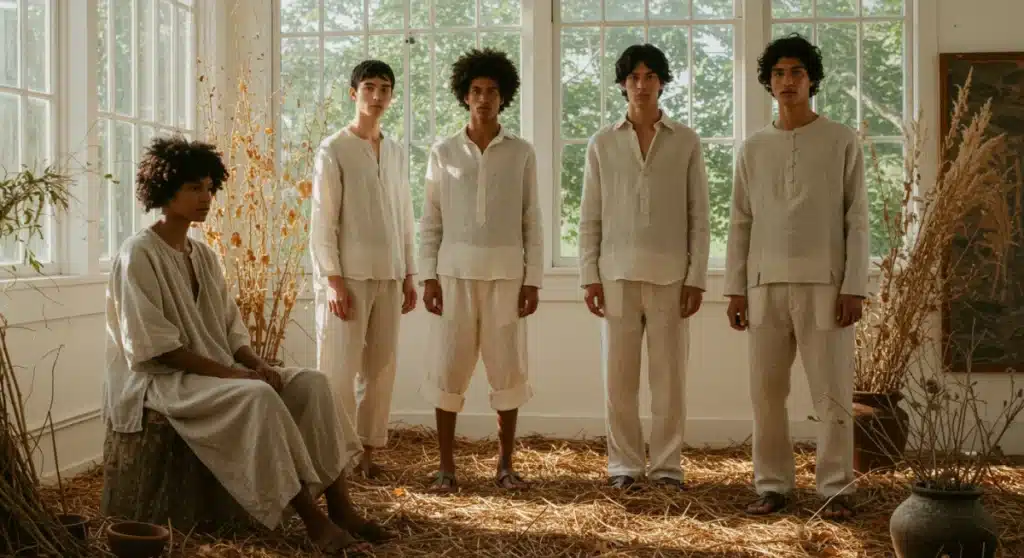
As we head into the new season, redefining your style starts with a Sustainable Spring Wardrobe that prioritizes the planet without sacrificing panache. It’s time to move beyond fast trends and embrace a mindful approach to your daily outfitting.
This year, the focus shifts toward circular fashion and low-impact textiles that stand the test of time. By integrating ethical craftsmanship into your collection, you ensure every piece tells a story of responsibility and lasting elegance.
Ready to refresh your look? Explore these five curated updates designed for the conscious consumer who values transparency. Discover how these eco-friendly innovations are setting the gold standard for a greener, more sophisticated future.
The Rise of Regenerative Agriculture in Textiles
Regenerative agriculture is emerging as a cornerstone for sustainable textile production, moving beyond organic farming to actively restore ecosystems.
This approach focuses on improving soil health, increasing biodiversity, and sequestering carbon, fundamentally transforming how natural fibers are sourced. Brands are now investing heavily in these practices to ensure their raw materials contribute positively to the environment.
For Spring 2026, expect to see an increased emphasis on garments made from cotton, linen, and hemp grown using regenerative methods.
This shift is not merely about avoiding harmful pesticides; it’s about actively rebuilding agricultural landscapes. Consumers will find clothing that not only feels good but also carries a story of environmental stewardship.
The integration of regenerative agriculture into mainstream fashion chains represents a significant leap forward in creating a truly Sustainable Spring Wardrobe.
It provides a traceable and verifiable pathway for consumers to make informed choices, knowing their purchases support ecological restoration. This trend is set to redefine luxury and everyday wear alike.
Innovative Recycled and Upcycled Materials
The innovation in recycled and upcycled materials continues to accelerate, offering compelling alternatives to virgin resources for Spring 2026.
Technologies for processing post-consumer waste into high-quality textiles are becoming more sophisticated, allowing for a broader range of applications across various apparel categories. This includes everything from performance wear to elegant everyday garments.
Recycled polyester, nylon, and even cotton are being refined to meet demanding aesthetic and functional criteria.
Upcycling initiatives are also gaining traction, transforming pre-existing garments or textile scraps into new, unique pieces, thereby minimizing waste and extending material lifecycles. These methods are crucial for reducing the fashion industry’s footprint.
Brands are increasingly transparent about the origins and processing of these materials, providing consumers with the confidence to choose items that align with their values.
The focus on recycled and upcycled content is not just a trend but a fundamental component of building a truly Sustainable Spring Wardrobe. These efforts ensure resources are kept in circulation longer.
Advancements in Textile Recycling Technologies
New chemical and mechanical recycling methods are making it possible to recycle blended fabrics, a significant challenge in the past. This breakthrough means a wider array of garments can be reintegrated into the production cycle, reducing reliance on virgin materials.
The efficiency and scalability of these technologies are improving rapidly.
For consumers, this translates into more options for stylish, durable, and truly circular clothing. Labels will increasingly highlight the percentage of recycled content and the specific recycling processes used, providing valuable information for eco-conscious shoppers.
This transparency empowers better purchasing decisions.
- Designers are re-imagining textile waste, transforming discarded fabrics into unique, high-value fashion items.
- Collaborations with textile recycling facilities are creating closed-loop systems for production.
- Brands are offering take-back programs to facilitate the collection and upcycling of old garments.
Ethical Production and Fair Labor Practices
Ethical production and fair labor practices are no longer negotiable; they are central to the definition of a Sustainable Spring Wardrobe for Spring 2026.
Consumers are demanding greater transparency regarding the working conditions and wages of garment workers throughout the supply chain. Brands are responding by implementing rigorous auditing processes and fostering direct relationships with their manufacturers.
Certifications such as Fair Trade and SA8000 are becoming more widely adopted, providing independent verification of ethical standards.
This commitment extends beyond compliance to proactively improving the livelihoods of those involved in apparel production. The goal is to ensure every garment has a positive social impact, from farm to factory.
This focus on human dignity and equitable treatment is an integral part of the broader sustainability movement. It acknowledges that true sustainability encompasses not only environmental but also social responsibility.
Shoppers will find more information readily available about a brand’s labor practices, empowering them to support ethical choices.
Supply Chain Transparency Initiatives
Many brands are now publishing detailed maps of their supply chains, identifying factories and suppliers. This level of transparency allows consumers to trace the journey of their clothing and verify ethical claims.
Blockchain technology is also being explored to provide immutable records of production steps.
These initiatives build trust and hold brands accountable for their commitments to fair labor. They represent a significant step towards demystifying the complex global supply chain of fashion. Such transparency is crucial for a truly Sustainable Spring Wardrobe.
Empowering Garment Workers
Beyond just eco-friendly fabrics, the human element of production is taking center stage for 2026. Programs focusing on skill development and education for textile workers are expanding rapidly, empowering the hands behind our clothes with the tools for long-term career growth.
To bolster these efforts, brands are increasingly partnering with NGOs to guarantee living wages and safe working environments, moving past basic compliance toward genuine welfare.
Furthermore, worker representation and collective bargaining rights are being prioritized within production facilities, ensuring that the shift toward a more ethical future is driven by the voices of the workers themselves.
Durability and Longevity in Design
For Spring 2026, the emphasis on durability and longevity in design is paramount, countering the fast fashion cycle. Garments are being crafted with higher quality materials and construction techniques, intended to withstand the test of time and frequent wear.
This shift encourages consumers to invest in pieces that offer enduring style and performance, rather than disposable trends.
Designers are focusing on timeless silhouettes and versatile pieces that can be mixed and matched across seasons, maximizing their utility.
Repairability is also a key consideration, with brands offering repair services or designing garments that are easy to mend. This commitment to longevity is fundamental to reducing consumption and waste.
Embracing durability means a smaller, more curated Sustainable Spring Wardrobe that reduces the overall environmental impact associated with new purchases.
It’s about buying less but buying better, fostering a more mindful relationship with clothing. This approach is both economically sensible and environmentally responsible.
Craftsmanship and Quality Construction
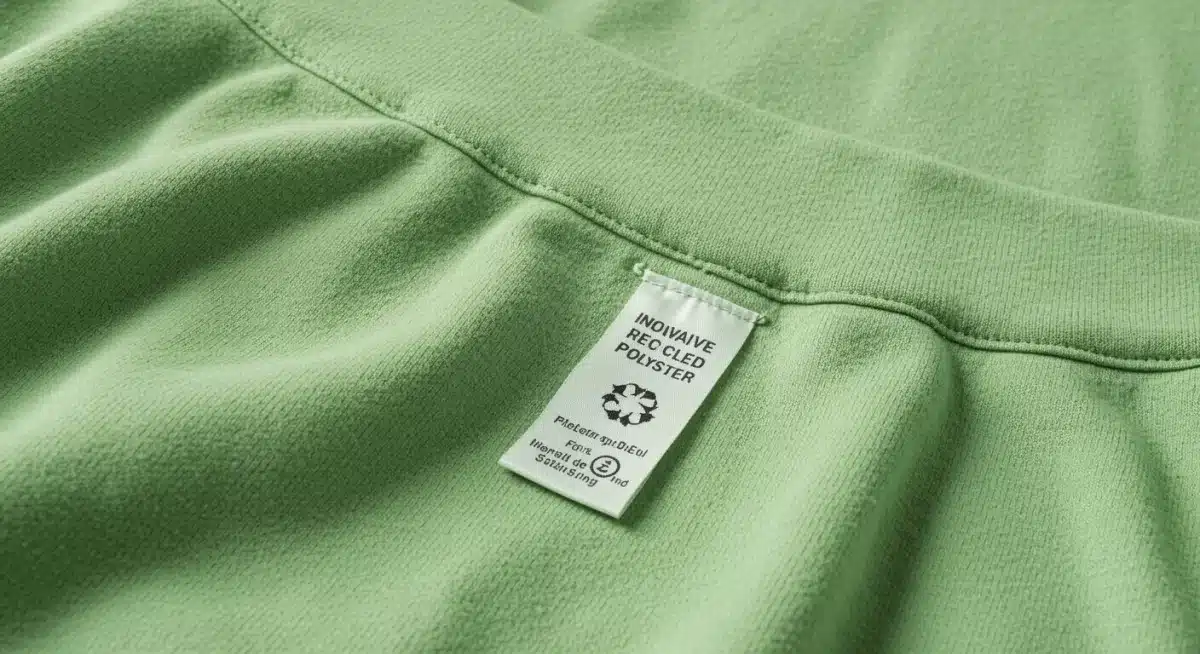
Attention to detail in stitching, seam finishes, and hardware choices now defines sustainable luxury. Brands are highlighting the artisanal aspects of their production, celebrating techniques that ensure garment integrity and extend lifespan.
This elevates the perceived value and actual durability of each piece.
Consumers are becoming more discerning, seeking out items that offer a tangible return on investment through years of wear. This appreciation for quality over quantity is a driving force behind the movement towards a more conscious closet.
Investing in a Sustainable Spring Wardrobe means prioritizing enduring quality.
Versatile and Timeless Styles
- Modular designs allow garments to be adapted for different occasions and seasons.
- Neutral color palettes and classic cuts ensure pieces remain relevant for years.
- Brands are promoting styling versatility to maximize the wearability of each item.
Circular Economy Principles in Action
The adoption of circular economy principles is revolutionizing how fashion is conceived, produced, and consumed for Spring 2026.
This holistic approach aims to eliminate waste and pollution, circulate products and materials, and regenerate natural systems. It represents a paradigm shift from the traditional linear ‘take-make-dispose’ model.
Brands are implementing take-back schemes, rental services, and resale platforms to keep garments in use for as long as possible. Design for disassembly is also gaining traction, ensuring materials can be easily recycled or composted at the end of a product’s life.
These initiatives close the loop on textile waste, fostering a more resource-efficient industry.
The goal is to create a truly regenerative system where clothing is valued as a resource, not a disposable commodity. This commitment to circularity is a defining feature of a forward-thinking Sustainable Spring Wardrobe.
It offers a viable path towards a fashion industry that operates within planetary boundaries.
Product-as-a-Service Models
Rental and subscription services for clothing are expanding, offering consumers access to diverse wardrobes without the need for ownership. This model reduces individual consumption and extends the life of garments across multiple users.
It caters to a desire for novelty without increasing environmental impact.
These services provide a flexible and sustainable alternative to traditional purchasing, especially for occasion wear or rapidly changing trends.
They represent a tangible way for consumers to participate in the circular economy. Such models are key for a truly Sustainable Spring Wardrobe.
- Brands are investing in research for fully biodegradable and compostable materials for specific garment components.
- Clear guidelines for consumers on how to recycle or dispose of garments responsibly are becoming standard.
- Innovation in textile-to-textile recycling is creating high-quality fibers from discarded apparel.
| Key Update | Brief Description |
|---|---|
| Regenerative Textiles | Fibers sourced from agriculture that restores ecosystems. |
| Recycled & Upcycled Materials | Advanced technologies for transforming waste into new fabrics. |
| Ethical Production | Ensuring fair labor and transparent supply chains. |
| Durability & Longevity | Designing for extended wear and repairability. |
Frequently Asked Questions About Sustainable Spring Wardrobe Updates
Regenerative agriculture in textiles refers to farming practices that not only produce natural fibers but also actively improve soil health, biodiversity, and water conservation. Unlike traditional or even organic farming, it focuses on restoring ecological balance, making it a crucial component for a Sustainable Spring Wardrobe. It ensures the raw materials are grown in an environmentally positive way.
Recycled materials reduce the need for virgin resources and minimize waste, while upcycled materials transform existing items into new ones, preventing them from going to landfills. Both approaches significantly lower the environmental footprint of fashion, making them essential for building a truly Sustainable Spring Wardrobe by extending the life cycle of materials.
Ethical labor practices ensure fair wages, safe working conditions, and respect for human rights throughout the apparel supply chain. A wardrobe cannot be truly sustainable if it comes at the cost of human exploitation. Prioritizing ethical production means supporting a fashion industry that values both people and the planet, aligning with a Sustainable Spring Wardrobe.
Durability reduces the frequency of new purchases, thereby decreasing resource consumption and waste. By investing in high-quality, long-lasting garments, consumers contribute to a more sustainable consumption model. This focus on longevity is fundamental to the concept of a Sustainable Spring Wardrobe, promoting mindful consumption over fast fashion cycles.
Circular economy principles will offer more options like rental services, resale platforms, and take-back programs, encouraging you to rethink ownership. You’ll find garments designed for recyclability or biodegradability, allowing for a more responsible end-of-life. These advancements contribute to a truly Sustainable Spring Wardrobe, promoting resource efficiency and waste reduction.
Looking Ahead: The Future of Sustainable Apparel
The trends for Spring 2026 indicate a clear trajectory towards a more responsible and transparent fashion industry.
These five essential apparel updates are not isolated changes but interconnected elements of a broader movement to redefine how clothing is made and consumed. Consumers are now empowered with more information and choices, driving brands to innovate and adapt at an unprecedented pace.
The integration of regenerative agriculture, advanced recycling, ethical labor, durable design, and circular models collectively forms the blueprint for a truly Sustainable Spring Wardrobe.
This evolution signifies a permanent shift, moving beyond mere compliance to proactive environmental and social stewardship. The future of fashion is undeniably green, ethical, and circular, promising a significant impact on both personal style and planetary health.
