Winter 2026 Layering Masterclass: 3 Strategic Formulas to Stay Warm Without Bulky Fabrics
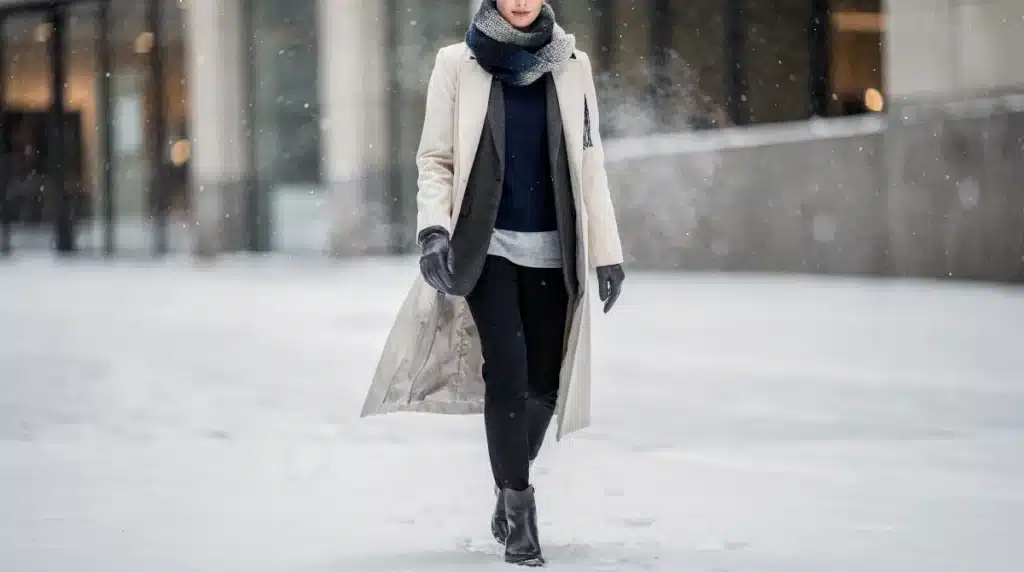
Tired of looking like a stuffed marshmallow just to survive freezing winter temperatures? Our Winter 2026 Layering Masterclass reveals three strategic outfit formulas designed to lock in body heat without adding heavy, unflattering bulk.
By pairing ultra-thin thermal base layers with breathable mid-weights and tailored outerwear, you can achieve effortless cold-weather sophistication. Fashion insiders and textile experts agree that smart fabric stacking beats a single oversized parka every time.
Whether you are commuting through icy winds or dressing up for an evening out, mastering the art of proportion will transform your seasonal wardrobe. Here are the key styling rules and innovative materials you need to elevate your look this winter.
The Evolution of Winter Wear: Beyond Traditional Bulk
The landscape of winter fashion is undergoing a significant transformation, moving away from the cumbersome, bulky garments of the past.
Consumers are increasingly demanding both functionality and aesthetic appeal, driving innovation in fabric technology and design. This shift is particularly evident in the development of lightweight yet highly insulating materials.
This evolution directly impacts the approach to a winter 2026 layering masterclass, emphasizing smarter choices over sheer volume.
The goal is to achieve maximum warmth with minimal visual impact, allowing for greater freedom of movement and a more refined silhouette. It’s about intelligent design meeting practical needs.
Industry reports indicate a strong consumer preference for versatile pieces that can adapt to varying temperatures throughout the day.
This adaptability is central to the new layering philosophies, ensuring garments work together harmoniously. The focus is on creating a cohesive and efficient wardrobe.
Innovative Fabrics Leading the Charge
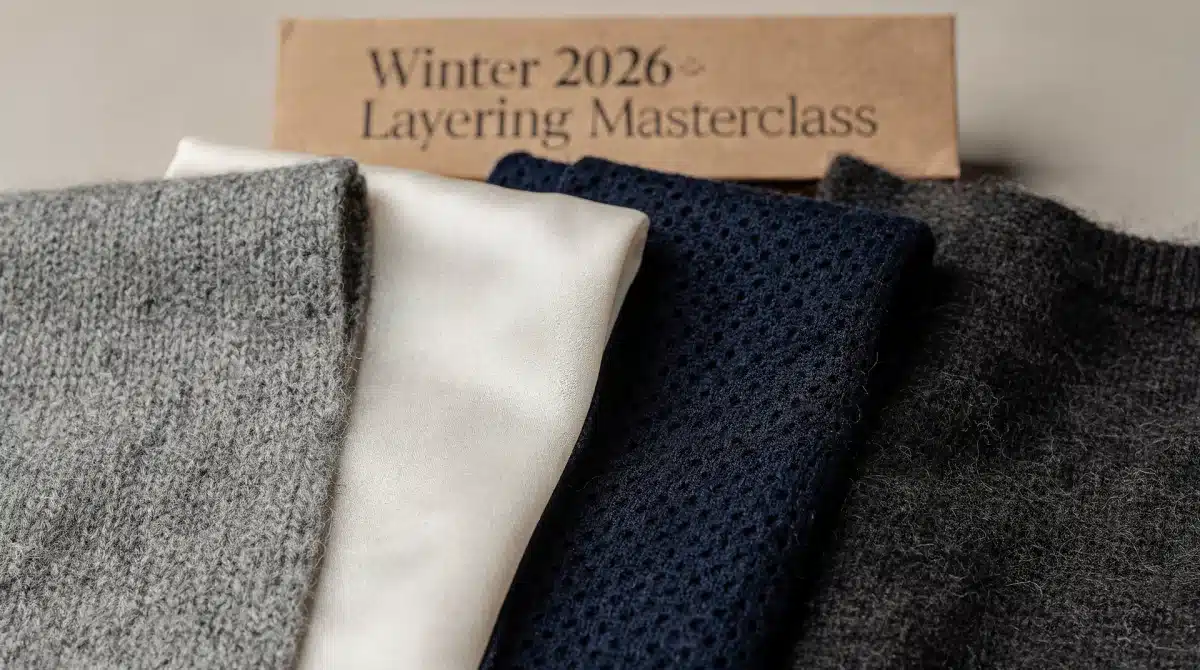
The core of this revolution lies in advanced textile engineering. Materials like ultra-fine merino wool, technical synthetics with superior warmth-to-weight ratios, and innovative silk blends are becoming standard.
These fabrics offer breathability, moisture-wicking properties, and exceptional insulation without adding significant mass.
These developments directly support the principles of the winter 2026 layering masterclass, enabling thinner, more effective layers.
Brands are investing heavily in research and development to produce textiles that perform under extreme conditions while maintaining a luxurious feel. The result is clothing that feels good and looks good.
- Merino Wool: Known for its natural temperature regulation and moisture-wicking capabilities, now available in finer gauges.
- Technical Synthetics: Advanced polyesters and nylons engineered for superior insulation and wind resistance.
- Silk Blends: Offering a smooth, luxurious feel with added warmth and breathability, ideal for base layers.
The integration of these materials allows for garments that are not only warmer but also more comfortable and durable. This focus on material innovation is a cornerstone of effective winter 2026 layering.
Formula 1: The Thermal Core System
The first strategic formula in the winter 2026 layering masterclass centers on establishing a highly efficient thermal core. This involves selecting base and mid-layers that work synergistically to trap heat close to the body while allowing moisture to escape.
The goal is to create an internal microclimate that remains consistently warm and dry.
This system prioritizes high-performance fabrics directly against the skin and as a secondary insulating layer. It’s about building warmth from the inside out, ensuring comfort even in fluctuating winter temperatures.
The proper selection of these foundational layers is critical for overall warmth and comfort.
Expert analysis confirms that a well-executed thermal core system dramatically reduces the need for bulky outer layers. By optimizing the inner layers, individuals can maintain a streamlined appearance without sacrificing warmth. This approach underpins effective winter 2026 layering strategies.
Optimizing Base Layers for Maximum Efficiency
The base layer is the foundation of the thermal core, responsible for wicking moisture away from the skin and providing initial insulation.
Materials like merino wool, silk, or advanced synthetic blends are ideal choices, offering both comfort and performance. The fit should be snug but not restrictive, allowing for full range of motion.
Choosing the right base layer is paramount for the winter 2026 layering masterclass, as it directly impacts body temperature regulation.
A poor base layer can negate the benefits of subsequent layers, leading to dampness and chill. Investing in quality base layers is a smart move for any winter wardrobe.
- Moisture-Wicking: Essential for keeping skin dry and preventing heat loss through evaporation.
- Breathability: Allows excess heat to escape, preventing overheating during activity.
- Comfort: Soft, non-irritating fabrics that feel good against the skin for extended wear.
The effectiveness of the thermal core hinges on these properties, making careful selection a key component of the winter 2026 layering masterclass.
Strategic Mid-Layers for Enhanced Insulation
Following the base layer, the mid-layer provides the primary insulation. This layer should be designed to trap air, creating a warm barrier.
Options include lightweight fleece, thin down vests, or fine cashmere sweaters, chosen for their insulating properties without excessive bulk. The mid-layer should complement the base layer without compressing it.
The strategic placement of the mid-layer is crucial for maximizing insulation in the winter 2026 layering masterclass.
It acts as the main heat retainer, and its material and fit directly influence the overall warmth of the ensemble. This layer allows for flexibility, easily added or removed as conditions change.
When selecting mid-layers, consider pieces that offer versatility and can be worn on their own indoors. This dual functionality adds value and practicality to your winter wardrobe. The right mid-layer is a cornerstone of intelligent winter 2026 layering.
Formula 2: The Adaptive Outer Shell
The second formula focuses on the adaptive outer shell, a critical component for protecting against external elements like wind, rain, and snow.
This layer should be chosen for its weather-resistant properties and its ability to accommodate the inner layers without creating a bulky silhouette. It’s the final barrier between you and the elements.
An effective adaptive outer shell is paramount for the winter 2026 layering masterclass, as it ensures the integrity of the thermal core.
Modern outer shells often incorporate advanced membranes that are both waterproof and breathable, preventing moisture penetration while allowing internal vapor to escape. This balance is key to comfort.
Current trends indicate a preference for sleek, tailored outer shells that integrate seamlessly with various outfits, from casual to more formal.
The emphasis is on elegant protection, maintaining a polished appearance regardless of the weather. This approach elevates the entire winter 2026 layering strategy.
Selecting the Right Weather Protection
When choosing an outer shell, consider its waterproof rating, breathability, and wind resistance. Hardshell jackets, insulated trench coats, and technical parkas are excellent options, depending on the severity of the expected weather.
The fit should allow for comfortable movement over your base and mid-layers.
The selection process is an integral part of the winter 2026 layering masterclass, as the outer shell is often the most visible component.
Brands are offering increasingly sophisticated designs that combine high performance with contemporary aesthetics. This means no more sacrificing style for functionality.
- Waterproof: Essential for protection against rain and snow, keeping inner layers dry.
- Wind Resistance: Prevents chilling effects from cold winds, maintaining core body temperature.
- Breathability: Allows internal moisture vapor to escape, preventing clamminess and discomfort.
These features are non-negotiable for an effective adaptive outer shell, ensuring optimal performance in diverse winter conditions. The right outer shell completes a successful winter 2026 layering strategy.
Formula 3: Strategic Accessorizing and Fit
The third strategic formula within the winter 2026 layering masterclass highlights the often-underestimated role of accessories and the importance of overall fit.
Accessories like hats, gloves, and scarves are not just decorative; they are crucial for preventing heat loss from exposed areas. Furthermore, a proper fit across all layers is essential for both comfort and a streamlined look.
Strategic accessorizing acts as the final touch in optimizing warmth and style. These smaller items can make a significant difference in overall thermal regulation.
The careful selection of accessories complements the core layering system, enhancing both functionality and fashion appeal.
The emphasis on fit ensures that each layer works as intended, without restricting movement or creating unnecessary bulk.
A well-fitted layered ensemble projects an image of sophistication and thoughtful dressing. This attention to detail is a hallmark of the winter 2026 layering masterclass.
The Power of Smart Accessories
Headwear, gloves, and scarves are vital for retaining body heat, as a significant amount of warmth can be lost through the head and extremities.
Opt for materials like cashmere, merino wool, or insulated technical fabrics for maximum warmth without bulk. These pieces should be coordinated with your outfit for a cohesive look.
Incorporating smart accessories is a key takeaway from the winter 2026 layering masterclass, providing an additional layer of protection and style.
They offer an opportunity to infuse personality and texture into your winter ensemble. Choosing versatile accessories allows for multiple styling options throughout the season.
- Hats: Beanies, cashmere hats, or wool fedoras to retain head warmth.
- Gloves/Mittens: Leather, wool-lined, or technical gloves for hand protection.
- Scarves: Large, insulating scarves made of wool or cashmere for neck and chest warmth.
These accessories are not merely afterthoughts; they are integral components of a successful winter 2026 layering strategy.
Achieving the Perfect Layered Fit
A common pitfall in layering is choosing garments that are too tight or too loose, which can compromise both warmth and aesthetics.
Each layer should fit comfortably over the one beneath it, allowing for air circulation and preventing compression of insulating materials. The outer layer should provide enough room without appearing baggy.
Understanding the nuances of fit is essential for mastering the winter 2026 layering masterclass. It ensures that garments drape correctly and that the overall silhouette remains sleek and elegant. A tailored approach to fit enhances the visual appeal of any layered outfit.
When trying on layered outfits, move around to ensure comfort and flexibility. Pay attention to how each garment interacts with the others, making adjustments as needed. The goal is a seamless integration of all components, embodying the principles of effective winter 2026 layering.
Emerging Trends and Sustainable Practices
Beyond the three core formulas, the winter 2026 layering masterclass also incorporates emerging trends and a strong emphasis on sustainability.
Consumers are increasingly valuing ethical production and durable garments that reduce environmental impact. This focus on conscious consumption is shaping how brands design and produce winter wear.
The integration of sustainable practices is not just a trend but a fundamental shift in the fashion industry.
Brands are exploring recycled materials, eco-friendly manufacturing processes, and longer-lasting designs. This commitment to sustainability aligns with the desire for high-quality, investment pieces.
These evolving practices offer consumers more choices that align with their values, reinforcing the idea of a thoughtful and responsible wardrobe. The winter 2026 layering masterclass encourages a holistic approach to fashion, considering both style and environmental impact.
The Rise of Conscious Consumption
Consumers are actively seeking brands that demonstrate transparency in their supply chains and commitment to ethical labor practices.
This demand is driving innovation in sustainable material sourcing and production methods. The shift towards conscious consumption means investing in fewer, higher-quality items.
This movement profoundly influences the winter 2026 layering masterclass, as durable and ethically produced garments become preferred. The longevity of clothing reduces waste and offers better value over time. It’s a win-win for both the consumer and the planet.
- Recycled Materials: Utilizing recycled polyester, nylon, and wool to reduce environmental footprint.
- Ethical Production: Brands ensuring fair labor practices and safe working conditions.
- Durability: Focusing on garments designed to last multiple seasons, reducing fast fashion consumption.
These elements are becoming standard expectations, shaping the future of winter 2026 layering and fashion as a whole.
Key Takeaways for a Successful Winter 2026 Layering Masterclass
To successfully implement the principles of the winter 2026 layering masterclass, it’s essential to prioritize quality over quantity and understand the function of each layer.
Investing in high-performance base and mid-layers will provide the most significant return in terms of warmth and comfort. The adaptive outer shell should be chosen for its ability to protect against specific weather conditions while maintaining a sleek profile.
Remember that strategic accessorizing plays a crucial role in preventing heat loss and adding a final touch of style.
A meticulous approach to fit across all garments ensures both comfort and an elegant appearance. These elements combined form the foundation of a truly effective winter 2026 layering strategy.
By embracing these three strategic formulas, individuals can confidently navigate the winter season, staying warm without resorting to bulky fabrics.
The future of winter fashion is about intelligent design, innovative materials, and a conscious approach to dressing. This masterclass equips you with the knowledge to achieve just that.
| Key Concept | Description |
|---|---|
| Thermal Core System | Optimize base and mid-layers for efficient heat retention and moisture management. |
| Adaptive Outer Shell | Select weather-resistant outer layers that protect without adding bulk. |
| Strategic Accessorizing | Utilize hats, gloves, and scarves to prevent heat loss and enhance style. |
| Perfect Layered Fit | Ensure each layer fits comfortably to maintain warmth and a sleek silhouette. |
Frequently Asked Questions About Winter Layering
The masterclass offers strategic formulas to achieve warmth without bulk, enhancing both comfort and style. It focuses on innovative fabrics and smart garment combinations, providing practical guidance for a sleek winter wardrobe. This approach helps individuals maintain an elegant appearance while effectively combating cold temperatures.
High-performance fabrics like ultra-fine merino wool, technical synthetics, and silk blends are highly recommended. These materials offer superior warmth-to-weight ratios, excellent breathability, and moisture-wicking properties. They are crucial for building a thermal core that keeps you warm and dry without adding unnecessary volume to your outfit.
The Thermal Core System involves selecting a moisture-wicking base layer and an insulating mid-layer that work together to trap heat. The base layer keeps you dry, while the mid-layer provides primary insulation. This combination creates an efficient internal microclimate, minimizing the need for bulky outer garments and ensuring consistent warmth.
Absolutely. Accessories like hats, gloves, and scarves are crucial for preventing heat loss from exposed areas of the body. They act as additional barriers against the cold, significantly contributing to overall warmth without adding bulk to your main outfit. Choosing the right materials for these items is key to their effectiveness.
Proper fit is essential for both comfort and maintaining a sleek silhouette. Each layer should fit comfortably over the one beneath it, allowing for air circulation and preventing compression of insulating materials. A well-fitted layered ensemble ensures maximum warmth and a polished appearance, avoiding a bulky or restrictive feel.
Perspectives
The Winter 2026 Layering Masterclass marks a pivotal moment in cold-weather fashion, moving towards intelligent design and conscious consumption. What this teaches is that style and comfort are not mutually exclusive, even in the harshest conditions.
As consumers embrace these new strategies, the market will likely see continued innovation in sustainable fabrics and versatile garment designs.
Future developments will focus on even lighter, more adaptable materials and integrated smart technologies, further refining the art of staying warm without bulk.
