Back-to-School in 2026: 5 Emerging Micro-Trends in Youth Fashion You Can’t Miss
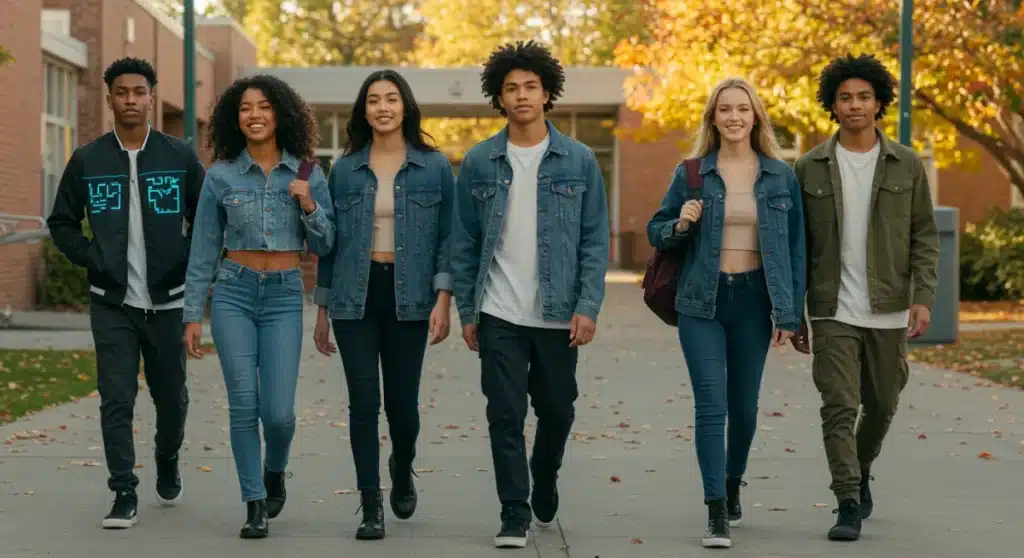
As the new semester looms, the evolution of Youth Fashion Trends is reaching a fever pitch with bold, digital-first aesthetics. This season, the classroom is transforming into a personal runway where self-expression meets curated nostalgia.
Industry analysts are currently tracking a seismic shift toward “maximalist authenticity” and tech-integrated apparel. These fresh style movements are redefining how students present themselves, blending comfort with high-impact visual storytelling.
Stay ahead of the curve by monitoring these five specific micro-shifts currently dominating the American scene. From eco-conscious fabrics to “cyber-vintage” looks, here is what you need to watch as the 2026 academic year begins.
The Rise of Sustainable Streetwear: Eco-Conscious Choices
The push for sustainability continues to redefine youth fashion, with eco-conscious choices moving from niche to mainstream. Young consumers are increasingly demanding transparency and ethical production, influencing everything from fabric selection to supply chain practices.
Streetwear, a dominant force in youth culture, is undergoing a significant green transformation. Brands are now prioritizing recycled materials, upcycled garments, and biodegradable fabrics, making sustainable options not just available but highly desirable for the Youth Fashion Trends season.
This shift reflects a broader societal awareness among Gen Z and Alpha, who are keen to align their purchasing power with their values. Fashion is no longer just about aesthetics; it’s a statement of environmental and social responsibility.
Upcycled Denim and Repurposed Fabrics
Upcycled denim is experiencing a major resurgence, offering unique, one-of-a-kind pieces that appeal to individuality and sustainability. Brands are investing in creative techniques to transform old jeans into new jackets, skirts, and accessories, reducing waste and fostering a circular economy in youth fashion.
Repurposed fabrics, including deadstock materials and textile waste, are also gaining traction. Designers are finding innovative ways to incorporate these resources, creating collections that are both environmentally friendly and visually distinct, setting a precedent for Youth Fashion Trends.
- Individualistic style through unique, upcycled pieces.
- Reduced environmental impact by diverting textile waste.
- Support for ethical labor practices in production.
Biodegradable Materials and Natural Dyes
Innovations in material science are bringing biodegradable textiles to the forefront of youth fashion. Fabrics derived from natural fibers like hemp, organic cotton, and bamboo, processed with minimal environmental impact, are becoming increasingly popular.
Furthermore, natural dyes, extracted from plants and minerals, are replacing synthetic alternatives, offering richer, more nuanced color palettes while minimizing chemical runoff. This trend underscores a holistic approach to sustainable fashion that will be pivotal for Youth Fashion Trends.
These developments signify a long-term commitment within the industry to address ecological concerns, driven by consumer demand. The future of fashion is undoubtedly green, and young consumers are leading this charge.
Tech-Infused Apparel: Smart Clothing for the Digital Age
The convergence of fashion and technology is accelerating, with smart clothing becoming an integral part of youth wardrobes. This micro-trend goes beyond simple wearable tech, embedding functionality directly into garments to enhance daily life.
From jackets that charge devices to shoes that track activity, tech-infused apparel offers convenience, connectivity, and a futuristic aesthetic.
This innovation is particularly appealing to a generation that has grown up immersed in digital environments, seeking seamless integration of tech into all aspects of their lives, especially for Youth Fashion Trends.
The focus is on subtle integration, where technology serves to augment rather than overpower the design. The goal is utility without sacrificing style, creating intelligent garments that are both fashionable and functional.
Integrated Connectivity and Charging
Garments featuring integrated pockets with wireless charging capabilities or subtle USB ports are becoming more common. This allows students to keep their devices powered throughout the day without the need for bulky power banks, a key convenience for the busy academic schedule.
Furthermore, apparel with built-in sensors for health monitoring or environmental tracking is emerging. These pieces offer personalized data, appealing to a generation that values self-optimization and data-driven insights, making them a significant part of Youth Fashion Trends.
The design philosophy prioritizes discretion, ensuring that the technology is seamlessly woven into the fabric and structure of the clothing. This creates a sleek, modern look that doesn’t scream ‘gadget,’ but rather whispers ‘innovation.’
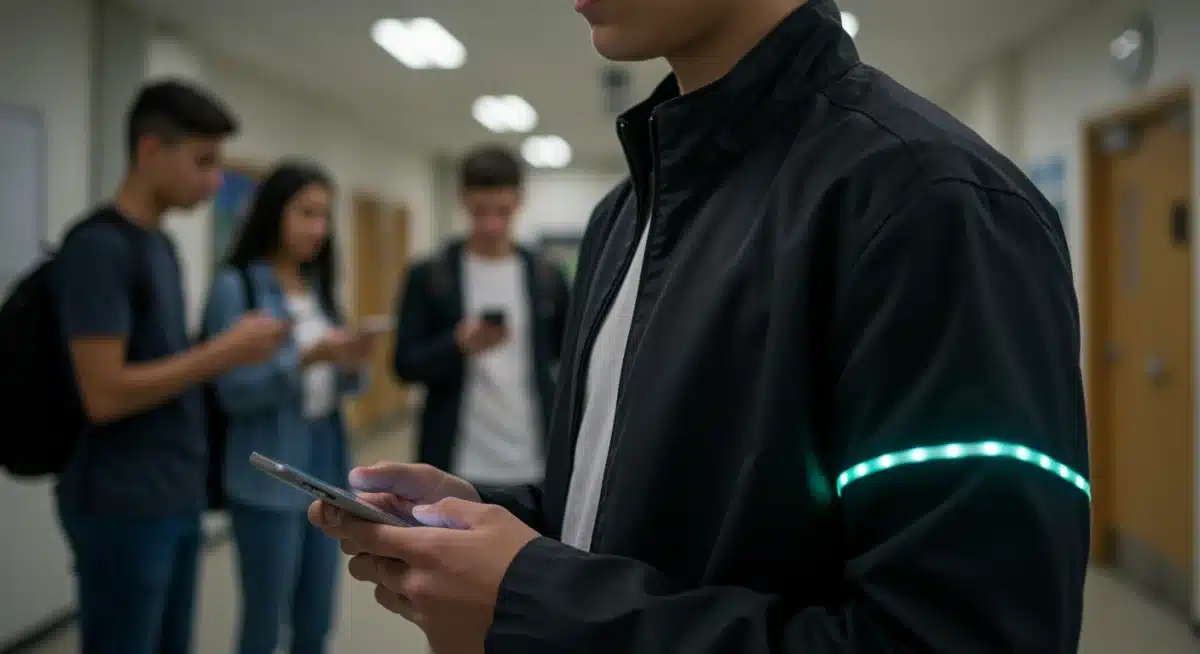
Interactive Textiles and Responsive Design
New materials are being developed that can change color, pattern, or even texture in response to external stimuli, such as temperature or light. These interactive textiles offer a dynamic element to clothing, allowing for personal expression and adaptability in various environments.
Responsive designs, which adapt to the wearer’s movements or environment, are also gaining traction. Imagine jackets that automatically adjust insulation based on body temperature or shoes with customizable cushioning.
These advancements represent a significant leap in functional fashion, impacting Youth Fashion Trends.
- Dynamic clothing that adapts to wearer and environment.
- Personalized expression through interactive elements.
- Enhanced comfort and utility through smart materials.
Nostalgic Revivals: Y2K and 90s Grunge Reimagined
Nostalgia continues to be a powerful driver in youth fashion, with the Y2K era and 90s grunge undergoing a contemporary reimagining. This isn’t a mere replication but a sophisticated blend of past aesthetics with modern sensibilities and sustainable practices.
Young people are drawn to the distinct silhouettes, bold colors, and rebellious spirit of these decades, filtering them through a lens of current trends and personal style. This creative reinterpretation is a cornerstone of Youth Fashion Trends, offering a fresh take on beloved styles.
The appeal lies in the cyclical nature of fashion, where iconic looks are rediscovered and given new life by a generation that values individuality and historical context. This trend is a testament to fashion’s ability to constantly reinvent itself.
Y2K Aesthetics with a Modern Twist
The early 2000s are re-emerging with low-rise bottoms, crop tops, vibrant metallics, and playful accessories.
However, the 2026 iteration sees these elements paired with more refined fabrics, sustainable sourcing, and a less overtly kitschy approach, making them suitable for a broader range of occasions.
Graphic tees and tracksuits, staples of the Y2K era, are also making a comeback, often featuring updated prints and eco-friendly materials. This blend of retro charm and modern consciousness defines a significant aspect of Youth Fashion Trends.
The key is to integrate Y2K elements subtly, rather than adopting a full-blown costume. Think a metallic accent on an otherwise minimalist outfit, or a low-rise jean paired with a sophisticated top.
90s Grunge: Deconstructed and Refined
The raw, deconstructed aesthetic of 90s grunge is being reinterpreted with a focus on premium fabrics and thoughtful detailing. Flannel shirts, ripped denim, and oversized silhouettes remain, but they are now crafted with better quality materials and a more intentional design.
Layering, a hallmark of grunge, is also evolving, with an emphasis on texture and proportion. This refined grunge offers an edgy yet polished look that resonates with contemporary youth, marking another important facet of Youth Fashion Trends.
- Modernized silhouettes with improved fabric quality.
- Bold aesthetics balanced with contemporary style.
- Emphasis on individual expression through layered looks.
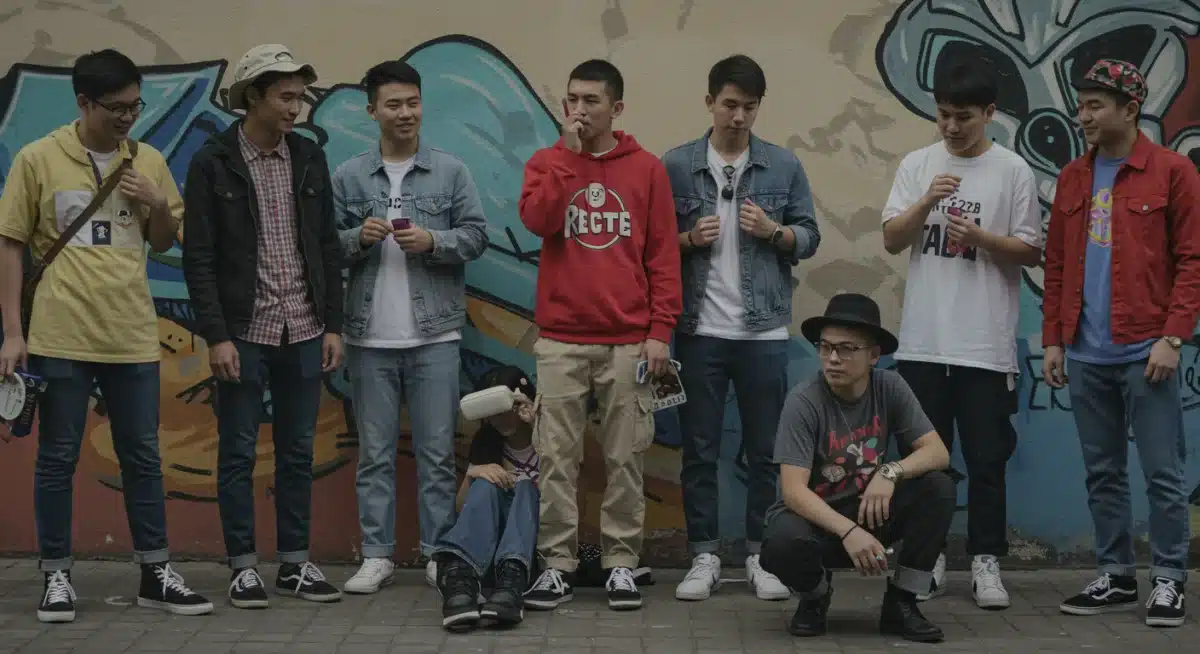
Utilitarian Minimalism: Practicality Meets Understated Style
In contrast to more elaborate trends, utilitarian minimalism offers a clean, functional, and understated aesthetic. This micro-trend champions practicality, durability, and versatility, appealing to those who prefer timeless pieces over fleeting fads.
The focus is on well-constructed garments with clean lines, neutral color palettes, and functional details like multiple pockets or adjustable features.
This approach to fashion aligns with a desire for less consumption and more thoughtful purchases, which is a growing sentiment for Youth Fashion Trends.
Utilitarian minimalism is about creating a capsule wardrobe of versatile pieces that can be mixed and matched, minimizing decision fatigue and maximizing style mileage. It’s a smart, efficient way to dress without sacrificing personal expression.
Functional Fabrics and Durable Designs
The emphasis here is on fabrics that are not only aesthetically pleasing but also highly functional. Think water-resistant materials, ripstop nylon, and durable cotton twills that can withstand the rigors of daily school life and beyond.
Designs often incorporate elements inspired by workwear or military uniforms, such as cargo pockets, reinforced seams, and adjustable straps. These features add both visual interest and practical utility, making garments more adaptable and long-lasting, a key aspect of Youth Fashion Trends.
The durability aspect is particularly important for consumers looking to invest in pieces that will last, moving away from fast fashion’s disposable nature. Quality over quantity is the mantra of this trend.
Neutral Palettes and Modular Systems
A core characteristic of utilitarian minimalism is its reliance on neutral color palettes (blacks, whites, grays, navies, and earth tones). These colors are inherently versatile, allowing for easy coordination and creating a cohesive wardrobe.
Modular clothing systems, where different pieces can be combined or transformed to create multiple outfits, are also gaining popularity. This concept promotes creativity and extends the lifespan of individual garments, further enhancing the appeal of Youth Fashion Trends.
The simplicity of the color scheme and the adaptability of modular designs mean that personal style can be expressed through subtle variations in texture, silhouette, and layering, rather than relying on overt ornamentation.
Comfort-First Athleisure: Blurring Lines of Formality
Athleisure has long been a staple, but for Youth Fashion Trends, it evolves into a comfort-first approach that further blurs the lines between athletic wear, casual attire, and even semi-formal looks.
The pandemic solidified the desire for comfort, and this trend integrates that need into everyday fashion without compromising style.
This micro-trend prioritizes soft, breathable fabrics, relaxed silhouettes, and versatile pieces that transition seamlessly from the classroom to extracurricular activities. It’s about looking put-together while feeling utterly at ease, reflecting a modern approach to dressing that values well-being.
The sophistication of athleisure wear has increased, with brands offering elevated designs that can easily be dressed up or down. This versatility is key to its enduring appeal among young consumers who seek both comfort and adaptability in their wardrobes.
Elevated Loungewear and Performance Fabrics
Loungewear is no longer confined to the home; it’s becoming a legitimate part of daily attire. Think soft knit sets, stylish joggers, and oversized hoodies crafted from premium, luxurious fabrics that offer both comfort and a polished look.
Performance fabrics, traditionally reserved for athletic gear, are now widely incorporated into everyday clothing. These materials offer benefits like moisture-wicking, breathability, and stretch, ensuring comfort throughout the day, a crucial element for Youth Fashion Trends.
- Premium comfort through soft, luxurious fabrics.
- Enhanced functionality with performance material integration.
- Versatility for seamless transition between activities.
Relaxed Silhouettes and Blended Styles
The dominant silhouettes in comfort-first athleisure are relaxed and unrestrictive, allowing for maximum freedom of movement. Oversized hoodies, wide-leg sweatpants, and loose-fitting tops are central to this aesthetic, providing a sense of ease and effortless style.
Moreover, this trend encourages the blending of different style elements. Pairing a tailored blazer with a graphic hoodie and stylish sneakers, or a silky slip dress with chunky athletic shoes, exemplifies the eclectic and personalized approach that defines Youth Fashion Trends.
The beauty of this trend lies in its adaptability, allowing individuals to create unique looks that prioritize comfort without sacrificing their personal fashion statement. It’s about finding the perfect balance between casual and chic.
Gender-Fluid Fashion: Breaking Traditional Boundaries
Gender-fluid fashion is rapidly gaining momentum, challenging traditional sartorial norms and offering young people greater freedom of expression. This micro-trend moves beyond binary clothing categories, embracing styles that can be worn by anyone, regardless of gender identity.
For Youth Fashion Trends, this means an increased availability of unisex collections, non-gendered sizing, and designs that encourage individual interpretation. It reflects a growing societal acceptance and celebration of diverse identities, with fashion acting as a powerful medium for self-expression.
Brands are responding by creating versatile pieces that don’t adhere to conventional gendered aesthetics, fostering an inclusive environment where everyone can find clothing that truly represents them. This shift is both culturally significant and commercially impactful.
Unisex Collections and Non-Gendered Sizing
Many contemporary brands are launching dedicated unisex collections, featuring items like oversized blazers, relaxed-fit trousers, and graphic tees that are designed to flatter all body types. These collections often prioritize comfort and versatility, making them ideal for everyday wear.
Non-gendered sizing, which focuses on measurements rather than traditional male or female labels, is also becoming more prevalent. This approach simplifies the shopping experience and promotes inclusivity, ensuring that everyone can find their perfect fit within the framework of Youth Fashion Trends.
The move towards unisex offerings is not just a trend; it’s a reflection of evolving societal values and a demand for fashion that respects individual identity. It signals a future where clothing is less about prescribed roles and more about personal choice.
Androgynous Aesthetics and Versatile Silhouettes
Androgynous aesthetics, characterized by a blend of masculine and feminine elements, are a key component of gender-fluid fashion. This can manifest in tailored pieces with soft drapes, or traditionally feminine fabrics used in more structured silhouettes.
Versatile silhouettes, such as oversized shirts, wide-leg pants, and flowing outerwear, are central to this trend.
These pieces offer a blank canvas for personal styling, allowing individuals to create looks that defy categorization and embrace their unique identities, further cementing their place in Youth Fashion Trends.
The beauty of gender-fluid fashion lies in its empowerment, giving young people the freedom to experiment and define their own style without being constrained by outdated norms. It’s a celebratory movement that champions authenticity and self-expression.
| Key Trend | Brief Description |
|---|---|
| Sustainable Streetwear | Eco-conscious choices like upcycled denim and natural dyes dominate. |
| Tech-Infused Apparel | Smart clothing with integrated charging and interactive textiles. |
| Nostalgic Revivals | Y2K and 90s grunge aesthetics reimagined for modern youth. |
| Utilitarian Minimalism | Practical, durable designs with neutral palettes and functional details. |
Frequently Asked Questions About Youth Fashion Trends 2026
Sustainable streetwear for Back-to-School 2026 is characterized by the use of recycled, upcycled, and biodegradable materials, coupled with ethical production practices. Consumers prioritize transparency in sourcing and manufacturing, seeking garments that minimize environmental impact and support fair labor. This trend integrates eco-consciousness into everyday style.
Tech-infused apparel for Back-to-School 2026 includes subtle integrations like wireless charging pockets, health-monitoring sensors, and interactive textiles that change appearance. The focus is on seamless functionality that enhances convenience and connection without compromising aesthetic appeal, catering to a digitally native generation’s needs.
Back-to-School 2026 sees a strong revival of Y2K and 90s grunge aesthetics. These influences are reinterpreted with modern fabrics and sustainable considerations, moving beyond simple replication to a sophisticated blend of past and present. Think low-rise bottoms with refined tops or deconstructed grunge with premium materials.
Utilitarian minimalism for Back-to-School 2026 emphasizes practicality, durability, and understated style. Key elements include functional fabrics, durable designs with features like cargo pockets, neutral color palettes, and modular clothing systems. This trend appeals to a desire for versatile, long-lasting pieces that reduce overconsumption.
Gender-fluid fashion in Back-to-School 2026 breaks traditional boundaries through unisex collections, non-gendered sizing, and versatile silhouettes. It promotes self-expression and inclusivity, offering clothing that can be worn by anyone, regardless of gender identity. This trend reflects evolving societal values and a demand for authentic personal styling.
Looking Ahead
The landscape of youth fashion for Youth Fashion Trends clearly indicates a future where personal expression, ethical consumption, and technological integration are paramount.
These micro-trends are not isolated phenomena but interconnected shifts reflecting deeper cultural and environmental considerations.
Brands and consumers alike should monitor these developments closely, understanding that adaptability and foresight will be key to navigating a rapidly evolving market.
The influence of digital platforms and a socially conscious generation will continue to drive innovation and redefine what it means to be fashionable.
Staying informed about these cutting-edge styles ensures relevance and responsiveness in a dynamic fashion ecosystem.
The trends of 2026 signal a more thoughtful, connected, and expressive era in youth style, with the Youth Fashion Trends offering a compelling vision for what’s next.
